Use this checklist to create a pest-free home that’s safe for dogs, cats, and other household pets. Print it, bookmark it, or post it near your cleaning supplies as a regular reminder!
🔒 Step 1: Seal and Secure Your Home
- Seal cracks around windows, baseboards, and doors
- Use mesh screens on vents and weep holes
- Block holes around pipes and wires (especially under sinks)
- Repair torn window screens
- Install door sweeps and weatherstripping
🧼 Step 2: Keep It Clean (Especially Around Pets)
- Store pet food in airtight, sealed containers
- Wipe up pet food spills immediately
- Clean under pet bowls daily
- Keep litter boxes scooped and sanitized
- Empty trash cans regularly and keep lids sealed
- Vacuum pet hair and crumbs weekly (or more)
🪤 Step 3: Monitor With Pet-Safe Tools
- Place glue boards in pet-inaccessible areas (e.g., behind fridge)
- Use pet-proof enclosed bait stations if needed
- Set electronic or humane mouse traps far from pet areas
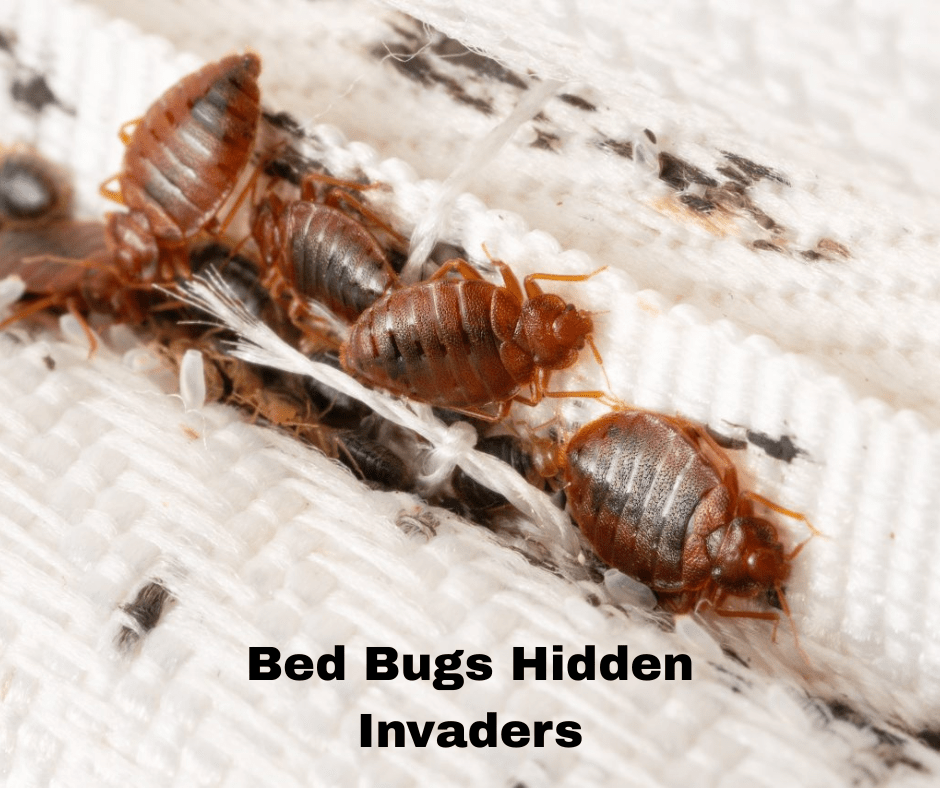
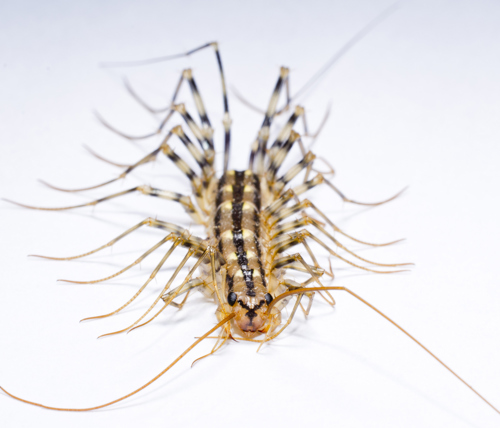
- Monitor for signs of pests weekly (droppings, gnaw marks, live insects)
🌿 Step 4: Use Only Pet-Safe Pest Control Products
Always read the label and avoid any product not labeled as pet-safe.
- Apply food-grade diatomaceous earth only in pet-safe zones
- Use cedarwood or lemongrass oil (never peppermint or tea tree near cats)
- Avoid foggers, sprays, and baits in open areas where pets walk or sleep
- Keep pets out of treated areas for the recommended re-entry time
- Never use rodent poison (rodenticides) in or near your home
🧠 Step 5: Educate Yourself Before Using Anything New
- Read ingredient lists and safety sheets (SDS)
- Look for EPA-registered products labeled “Safe for Pets”
- Consult your vet before using pest treatments near birds, reptiles, or senior pets
- Ask a licensed pest professional about non-toxic Integrated Pest Management (IPM) options
🧺 Bonus Tips for Specific Pests
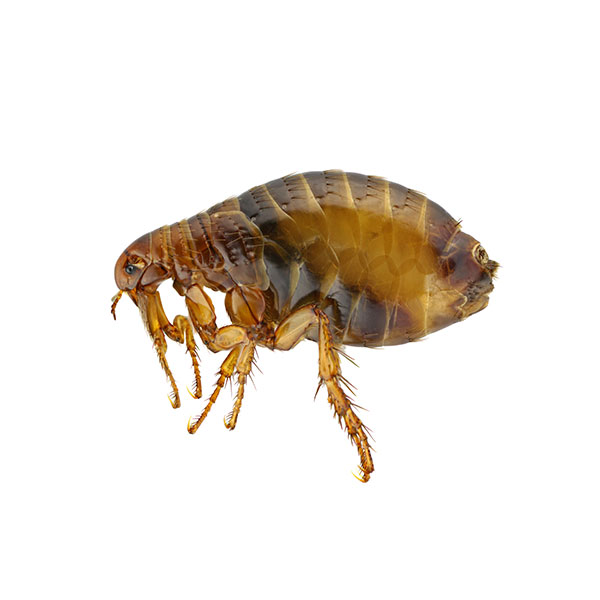
- Fleas/Ticks: Use vet-approved treatments, wash bedding weekly
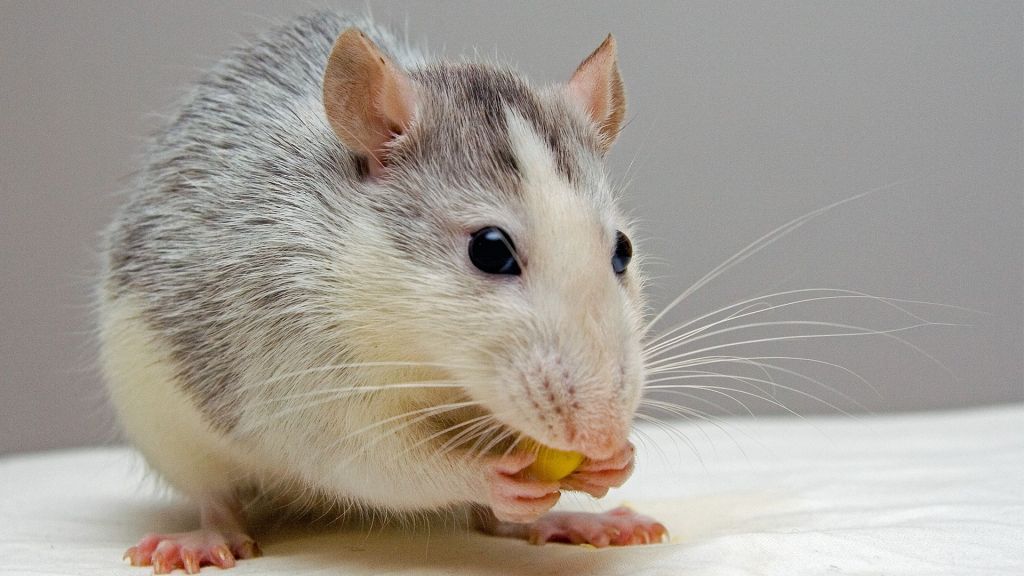
- Rodents: Eliminate pet food access at night, use sealed traps only
- Ants: Clean up spills immediately; use vinegar or soapy water for trails
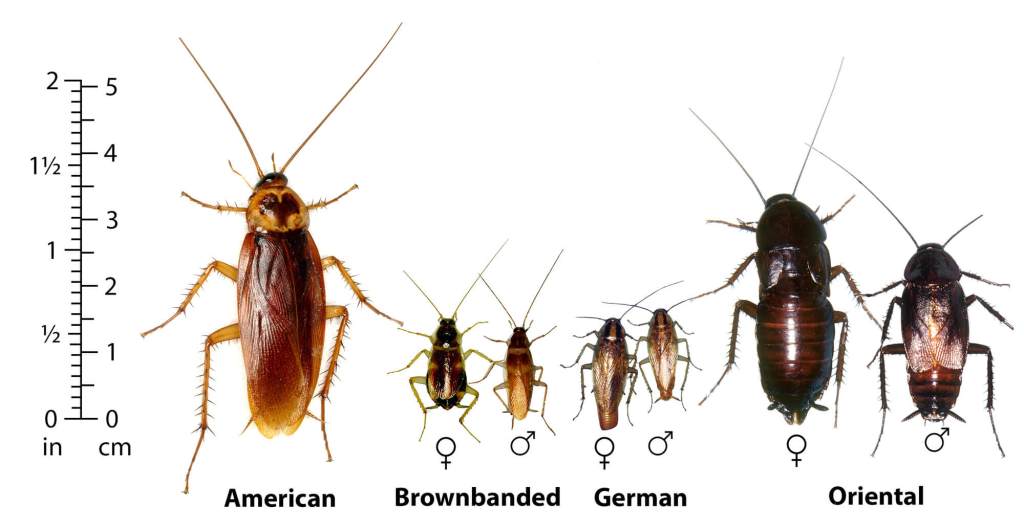
- Cockroaches: Seal water leaks; avoid leaving pet water bowls out overnight
- Mosquitoes: Eliminate standing water in pet bowls or outdoor containers
🐾 Pet Safety Reminders
- Never let pets lick floors or surfaces just treated for pests
- Keep pet toys and bedding out of treated rooms
- Watch for signs of pesticide exposure: vomiting, drooling, shaking, or lethargy
- Post vet/emergency contact info in a visible location


 Pest Free Living