
- Table of Contents
- Introduction: Why Natural Pest Control Matters
- Common Household Pests: Identification and Solutions
- Ants: The Persistent Invaders
- Mice and Rats: Preventing Rodent Problems
- Flying Insects: Mosquitoes, Flies, and Gnats
- Seasonal Pest Prevention Calendar
- Spring Pest Control Checklist
- Summer Protection Strategies
- Fall Preparation Tips
- Winter Maintenance
- When to Call Professional Pest Control Services
- Creating Your Pest-Free Home Action Plan
- Step 1: Assessment and Identification
- Step 2: Implementation Strategy
- Step 3: Long-term Maintenance
- Conclusion: Your Journey to a Pest-Free Home
Introduction: Why Natural Pest Control Matters for Your Home
Welcome to Pest-Free Living, your trusted resource for safe, effective pest management solutions. Whether you’re dealing with ants in your kitchen, mice in your attic, or mosquitoes in your backyard, we’re here to help you reclaim your space using methods that protect both your family and the environment.
In this comprehensive guide, you’ll discover:
- Proven natural pest control methods that actually work
- Prevention strategies to stop infestations before they start
- When to call professionals vs. DIY solutions
- Seasonal pest management tips for year-round protection
Common Household Pests: Identification and Natural Solutions
Ants: The Persistent Invaders
Problem: Ants enter homes searching for food and water, leaving pheromone trails that attract more ants.
Natural Solutions:
- Cinnamon barrier method: Sprinkle ground cinnamon around entry points
- Vinegar spray: Mix equal parts white vinegar and water to disrupt scent trails
- Coffee grounds: Spread used coffee grounds near ant pathways
- Diatomaceous earth: Food-grade DE creates a natural barrier
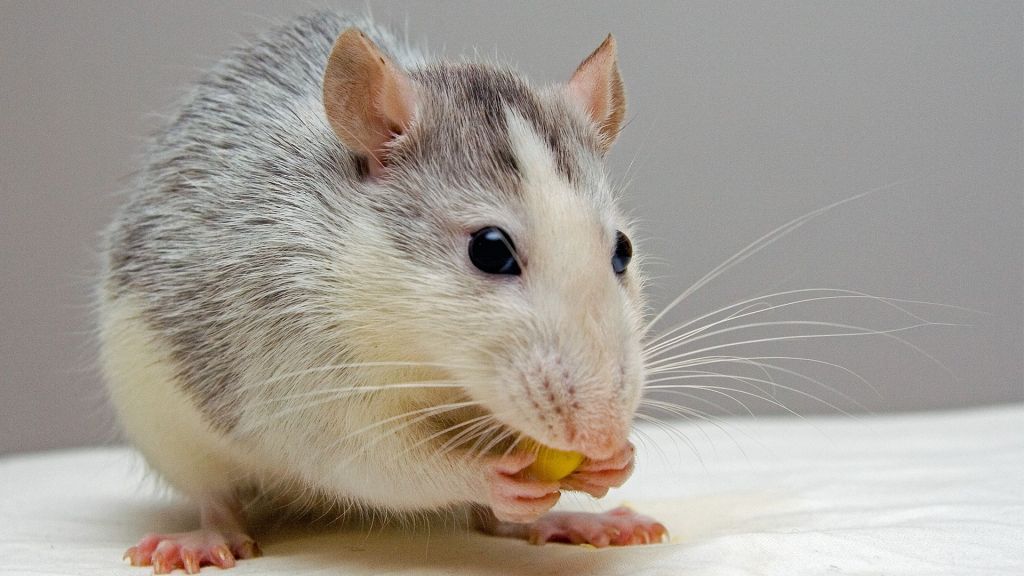
Mice and Rats: Preventing Rodent Problems
Problem: Rodents can spread disease and cause property damage through gnawing and nesting.
Natural Prevention:
- Peppermint oil deterrent: Soak cotton balls in peppermint oil and place near entry points
- Steel wool barriers: Stuff holes with steel wool – mice can’t chew through it
- Proper food storage: Use airtight containers for all pantry items
- Eliminate water sources: Fix leaks and remove standing water
Flying Insects: Mosquitoes, Flies, and Gnats
Problem: Flying insects are not only annoying but can carry diseases and contaminate food.
Natural Repellents:
- Essential oil spray: Combine lavender, eucalyptus, and lemongrass oils with water
- Apple cider vinegar traps: For fruit flies and gnats
- Basil and mint plants: Natural deterrents when planted around outdoor spaces
- Yellow sticky traps: Chemical-free solution for flying insects
Seasonal Pest Prevention Calendar
Spring Pest Control Checklist
- Inspect and seal cracks around windows and doors
- Clean gutters to prevent mosquito breeding
- Trim vegetation away from home exterior
- Check screens for tears and repair as needed
Summer Protection Strategies
- Maintain dry conditions in basements and crawl spaces
- Use fans to reduce mosquito activity in outdoor areas
- Keep food covered during outdoor events
- Regular lawn maintenance to reduce tick habitats
Fall Preparation Tips
- Seal entry points before rodents seek winter shelter
- Remove leaf piles and debris from around foundation
- Store firewood away from house exterior
- Inspect attic and basement for signs of pest activity
Winter Maintenance
- Monitor for signs of indoor pest activity
- Maintain proper humidity levels to deter certain insects
- Check stored items regularly for pest damage
- Plan for spring prevention measures
When to Call Professional Pest Control Services
While natural methods work well for prevention and minor issues, certain situations require professional intervention:
Call professionals for:
- Large infestations that haven’t responded to natural treatments
- Dangerous pests like wasps, hornets, or venomous spiders
- Structural pest damage (termites, carpenter ants)
- Health concerns related to pest-borne diseases
Creating Your Pest-Free Home Action Plan
Step 1: Assessment and Identification
Conduct a thorough inspection of your property to identify:
- Current pest problems
- Potential entry points
- Conditions that attract pests (moisture, food sources)
- Areas needing immediate attention
Step 2: Implementation Strategy
Priority order for pest control measures:
- Exclusion: Seal entry points and eliminate attractants
- Natural deterrents: Apply eco-friendly repellent methods
- Monitoring: Set up traps and regular inspection routines
- Professional consultation: For persistent or dangerous pest issues
Step 3: Long-term Maintenance
Establish regular maintenance routines:
- Monthly property inspections
- Seasonal prevention measures
- Prompt attention to new pest signs
- Documentation of what works for your specific situation
Conclusion: Your Journey to a Pest-Free Home Starts Now
Achieving a pest-free home doesn’t require harsh chemicals or expensive treatments. By understanding pest behavior, implementing natural prevention strategies, and maintaining consistent monitoring, you can create an environment that’s unwelcoming to pests while remaining safe for your family and pets.


 Pest Free Living
Leave a comment