Let’s be honest—no one wants to talk about pest droppings. But if you’ve ever opened a drawer or pulled out a bin in the garage and spotted tiny black specks, you’re definitely not alone.
After 25+ years in pest control, I’ve seen just about every type of mess pests can leave behind. And believe me, those little droppings can tell a big story—what kind of critter you’re dealing with, how long they’ve been hanging around, and whether it’s time to take serious action.
What Do Droppings Actually Look Like?
Let’s break it down simply—because not all droppings are created equal.
- Mouse droppings: These are small (think rice grain-sized), pointed at both ends, and usually dark brown or black.

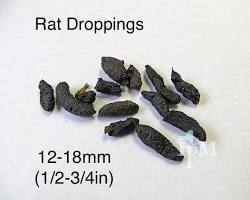
- Rat droppings: Bigger, around ½ to ¾ inch long, with more of a capsule shape. They can even look shiny if they’re fresh.
- Cockroach droppings: These are tiny and often mistaken for ground pepper or coffee grounds. You’ll typically find them near baseboards or in cabinets.
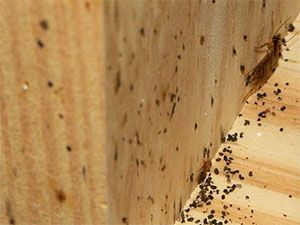
Fresh droppings are soft and dark—if they’re hard, crumbly, or grayish, they’ve probably been there a while. But either way, their presence means pests have been (or still are) active in your home.
Where Should You Look?
Rodents and roaches tend to follow the same paths, so once you know the hotspots, you’ll know where to check:
- Behind and under kitchen appliances
- Inside cabinets and drawers
- Pantry corners
- Along baseboards or wall edges
- Attics, garages, and storage closets
Sometimes you’ll also smell a problem before you see it. Mice in particular leave urine trails, and that ammonia-like scent is hard to miss. Pros like me use UV lights to detect it, but even without tools, trust your nose—if something smells “off,” don’t ignore it.
Why This Stuff Matters (Yes, It’s Gross… and It’s Serious)
Besides the ick factor, droppings can pose real health risks. Rodents can carry bacteria and viruses that you definitely don’t want circulating in your air, especially once the droppings dry and become airborne.
Cockroach droppings are also bad news—they can trigger allergies and contaminate food surfaces without you even noticing.
So if you’ve spotted signs, take it seriously, even if the problem seems small right now.
What To Do If You Find Droppings
Here’s what I recommend—based on years of hands-on experience in homes just like yours:
- Don’t vacuum or sweep right away — that can stir particles into the air. Instead, wear gloves and a mask, and use disinfectant or a bleach solution to clean the area.
- Pay attention to where you found them — that’s usually close to a nest or feeding zone.
- Look for other clues — gnaw marks, chewed wires, strange noises, or nesting materials.
- Take action quickly — set traps, seal up cracks or holes, or call in a pro if things look widespread.
Final Thoughts
Pests don’t always show up in plain sight. But droppings? That’s their calling card. It’s kind of like your car flashing a warning light—ignore it, and you’re asking for trouble.
If you’ve found droppings and aren’t sure what’s going on, don’t stress. Reach out or drop a comment below. I’m here to help, and I’ll be breaking down more pest warning signs in future posts.
Until then, stay vigilant and stay pest-free.



 Pest Free Living
Leave a comment