
Let’s be honest—nobody wants to talk about roaches, ants, or silverfish. But if you’ve ever flipped on the bathroom light at midnight and spotted something darting across the floor, you know the horror is real. Pest control is one of those things we don’t think much about until we have to—and by then, we want something that works, fast.
If you’ve tried natural solutions like cinnamon, peppermint oil, or vinegar with little success, here’s one you may have overlooked: boric acid. It’s been quietly doing its job for generations, and it’s about as no-nonsense (and affordable) as pest control gets.
What Exactly Is Boric Acid?
Boric acid isn’t some scary chemical you’ve never heard of—it’s actually a compound that comes from boron, a naturally occurring mineral. You can find it in everything from laundry detergent to contact lens solution. But one of its best-kept secrets? It’s a silent assassin when it comes to bugs.
In its pest-killing form, boric acid is a fine white powder that works on insects from the inside out. They walk through it, groom themselves, ingest it—and that’s the end of the road for them. It might take a day or two, but that’s actually part of what makes it so effective. More on that in a second.
How It Works (And Why It’s Sneaky Genius)
Boric acid is kind of like a two-in-one weapon. First, it scrapes away at a bug’s outer shell, dehydrating them over time. Second, when they ingest it (which they will while cleaning themselves), it wreaks havoc on their digestive system. It doesn’t just kill the scout; it kills the whole operation. Because bugs like ants and roaches bring it back to the nest, where others get exposed too. It’s the pest control version of a Trojan horse.
Wait—Is Boric Soap the Same Thing?
Quick side note, because people ask this a lot: boric soap and boric acid are not the same.
Boric soap is just a cleaning product that contains some boric acid. It’s usually diluted and meant for general cleaning—not pest control. While it might deter a few bugs if you scrub your counters with it, it won’t be anywhere near as effective as using boric acid powder or bait specifically designed to take down pests. If you’re dealing with an infestation, boric soap won’t cut it.
What Pests Can It Handle?
Boric acid is especially good at eliminating:
- Ants
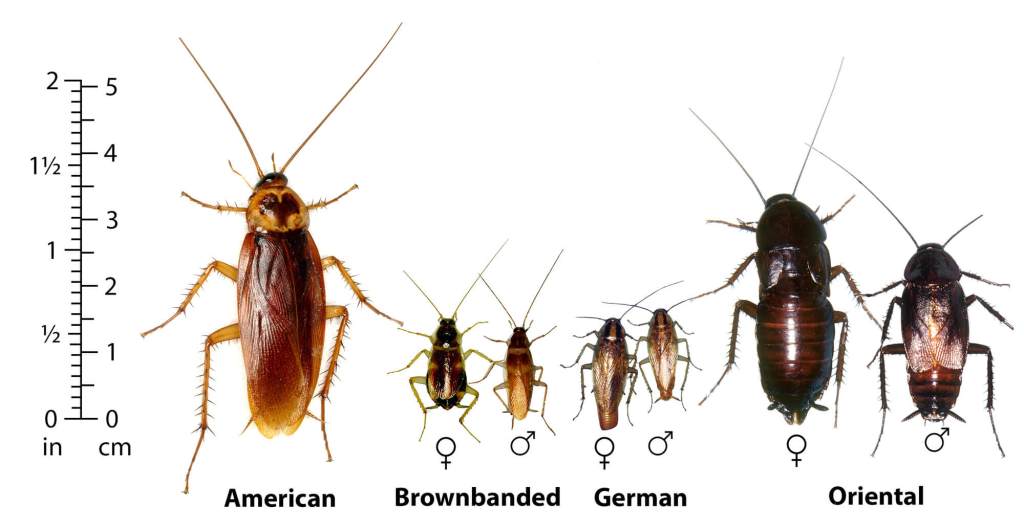
- Cockroaches
- Silverfish
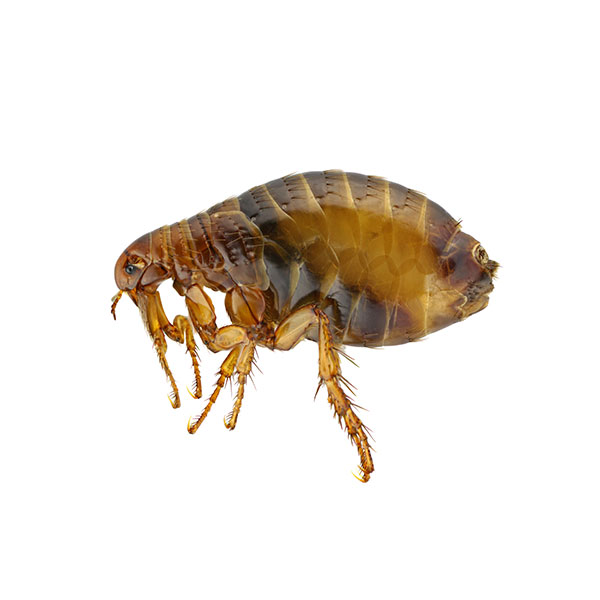
- Fleas
- Termites (in some cases)
- Carpenter ants
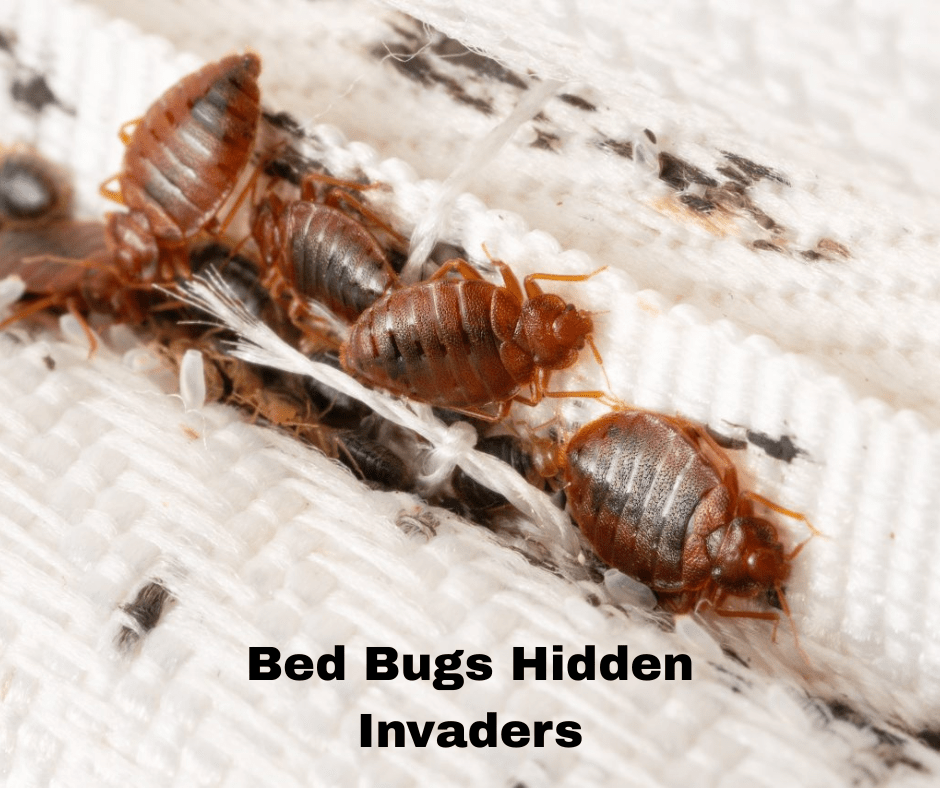
Some people also use it to help manage bed bugs, though it’s best paired with other treatments for that kind of job.
How to Use It Without Making a Mess (or a Mistake)
If you’ve never used boric acid before, it’s tempting to dump it everywhere and hope for the best. Don’t. A light touch is key—too much, and the bugs will actually avoid it.
Here’s how to do it right:
1. Dust the powder in the right spots.
Target the places where bugs hang out: behind the fridge, under the stove, around baseboards, inside cabinet cracks, or around plumbing. You only need a whisper-thin layer.
2. Use boric acid baits.
Mix boric acid with a little sugar, honey, or peanut butter. Place tiny amounts on wax paper or bottle caps and set them where you’ve seen pests. Ants and roaches love a sweet snack—and this one comes with a hidden punch.
3. Try pre-made tablets or gels.
If you don’t want to DIY, look for store-bought boric acid tablets or gels. Just follow the directions and keep them tucked away where pets and kids can’t reach.
Safety First, Always
Yes, boric acid is less toxic than many commercial pesticides, but that doesn’t mean you should toss it around like baking soda.
- Don’t use it on food prep areas or open counters.
- Keep it away from pets and small children—especially baits.
- Wear gloves and maybe a dust mask when applying, especially if you’re using a lot.
- Store it tightly sealed and clearly labeled.
Used responsibly, it’s one of the safest options out there for DIY pest control.
Pros and Cons, Real Talk
The Good:
- It works. Period.
- It’s dirt cheap—one container can last a year.
- It has no strong odor.
- Pests don’t develop resistance to it easily.
The Not-So-Great:
- It’s not an instant kill—it takes time to work.
- It loses effectiveness if it gets wet or clumpy.
- You still have to do your part—clean up crumbs, seal entry points, and stay consistent.
Final Thoughts: Is It Worth Trying?
If you’re looking for a pest control method that’s budget-friendly, time-tested, and pretty easy to use, boric acid deserves a spot under your sink. It’s not flashy, and it doesn’t promise overnight results, but it does deliver—especially if you’re consistent.
Just don’t confuse it with boric soap or assume more is better. A smart, targeted approach is the way to go. So the next time you spot that little six-legged intruder in your kitchen, remember: a little powder goes a long way.


 Pest Free Living
Leave a comment