How AI Is Revolutionizing Pest Control: A Human Perspective
Pests. Just the word makes you itch and feel creepy, doesn’t it? Whether it’s ants marching across your kitchen counter, moths nibbling through your pantry, or locusts threatening an entire farm, dealing with pests is a universal headache. Here is some the good news for the matter: artificial intelligence (AI) is stepping up to the plate, offering smarter, greener, and more effective ways to keep those critters away from your home or farm. As someone who’s seen the frustration of pest problems firsthand—both at home and on the farm—I’m excited to share how AI is changing the game for pest control. Let’s jump in and take a look.
Spotting Pests Before They Take Over
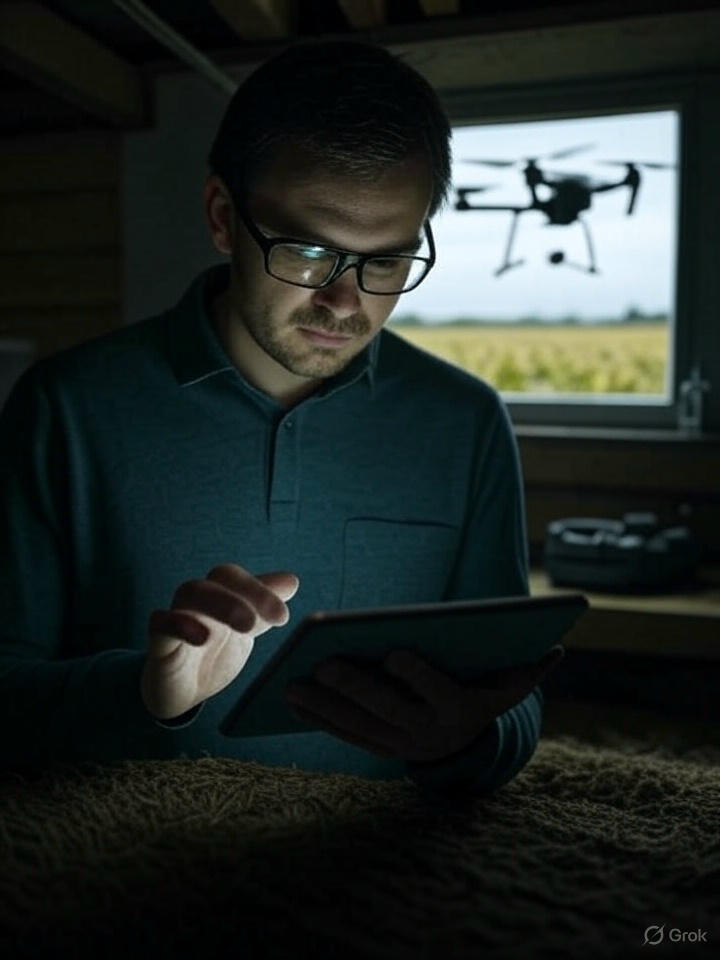
Remember the days of squinting at plants or setting out sticky traps, hoping you’d catch the problem early? AI is like having a highly intelligent investigator on your side. With cameras and computer vision, AI can spot pests faster than any human eye. Farmers are using drones that fly over fields, snapping pictures that AI analyzes to identify pests like aphids or beetles in seconds. At home, you can even find smart traps with built-in cameras that ping your phone when they catch something, telling you exactly what’s creeping around.
I heard about a farmer in Iowa who used AI-powered sensors to detect weevils in his grain storage. The system caught the infestation early, saving him thousands in losses. It’s like having a 24/7 guard dog that never sleeps. These tools don’t just spot pests—they tell you what kind, how many, and where, so you can act fast.
What if you could know pests were coming before they showed up? AI makes that possible by crunching data like a crystal ball. It looks at weather patterns, soil conditions, and past pest outbreaks to predict when and where trouble might strike. For example, AI models are helping farmers in Africa anticipate locust swarms, giving them time to protect crops. On a smaller scale, homeowners can use apps that analyze local weather and pest trends to warn you when ants or mosquitoes are likely to invade.
This time of year especially here in Florida, with hot weather and rainfall, mosquitoes are in full swing. High temperatures, especially paired with high humidity, allow mosquitoes to thrive and survive longer. Coupled with rainfall, which provides the necessary standing water for breeding, this creates ideal conditions for mosquito populations to boom. If an AI tool had warned of this wet weather breeding surge, traps could have been set up sooner, disrupting the breeding cycle before it got out of control. It’s not just about reaction—it’s about staying one step ahead and preventing infestations before they become a problem.
Smarter, Kinder Pest Control
Spraying pesticides everywhere feels like using a sledgehammer to crack a walnut. AI brings precision to the fight. Imagine a drone that zips over a field, spotting exactly where pests are hiding and dropping just the right amount of treatment—whether it’s a pesticide or a natural predator like ladybugs. This cuts down on chemicals, saves money, and keeps the environment happier. Companies like Blue River Technology are already doing this, with machines that zap weeds or pests with pinpoint accuracy.
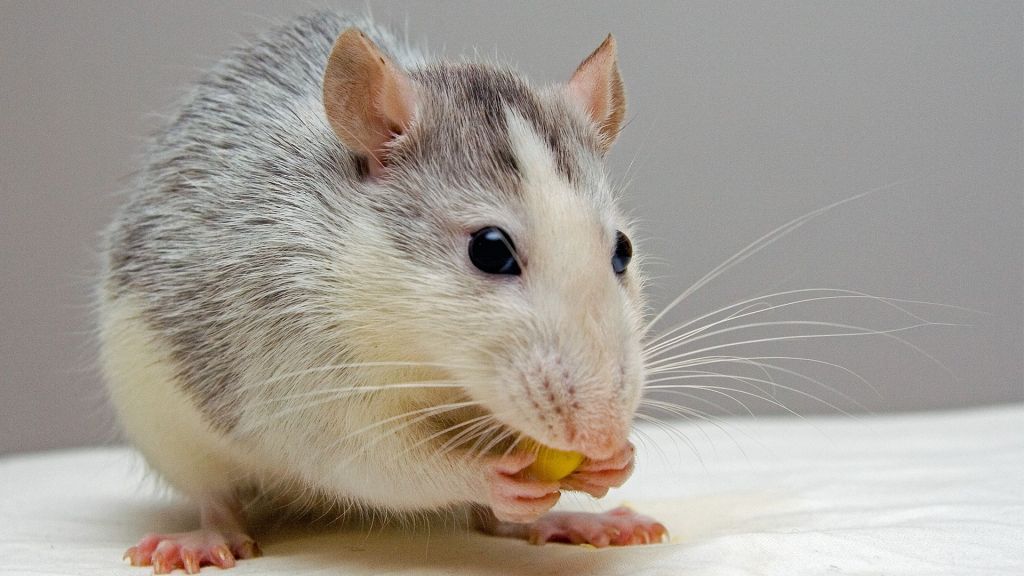
At home, AI-powered traps are a game-changer. I tried one that not only caught mice but also sent me data on their activity patterns. Turns out, they were sneaking in through a garage crack. Fixing that saved me from endless trap-setting. Plus, AI can recommend non-toxic options, like repellents or habitat changes, so you’re not always reaching for the heavy stuff.
Making Pest Control a Team Effort
AI doesn’t just work alone—it pulls together all the puzzle pieces. Farmers use AI platforms that combine data from traps, weather stations, and satellite images to create a full picture of pest risks. These systems suggest the best mix of solutions, like rotating crops, introducing natural predators, or timing treatments perfectly. It’s called Integrated Pest Management, and AI makes it smarter than ever.
For homeowners, there are apps that let you snap a photo of a bug and get instant advice on what it is and how to deal with it. I once found a weird beetle in my basement, and an AI app told me it was harmless but suggested sealing my windows to keep more out. It’s like having an expert in your pocket.
The Future Feels Bright (and Pest-Free)
AI isn’t perfect yet. The tech can be pricey, especially for small farms or homeowners on a budget, and it needs good data to work well. But the potential? Mind-blowing. Researchers are using AI to study pest genetics, figuring out how to outsmart resistance to treatments. Others are building robots that roam fields, zapping pests with lasers (yes, lasers!). It’s sci-fi stuff, but it’s happening now.
I think what excites me most is how AI empowers us. Whether you’re a farmer feeding thousands or just trying to keep your garden alive, AI gives you tools to fight pests without feeling overwhelmed. It’s not about replacing human know-how—it’s about making our efforts smarter, faster, and kinder to the planet.
Ready to Try AI for Pest Control?
If you’re curious, start small. Check out smart traps or pest ID apps for your home—they’re easy to find online or at hardware stores. Farmers can look into services like TrapView or drone providers in their area. And if you’re a techie, you could even experiment with open-source AI tools to build your own pest-monitoring system.
Pests may never go away completely, but with AI on our side, we’re finally fighting back with brains, not just brawn. Got a pest problem you want to tackle with AI? Let me know—I’d love to hear your story or point you to the right tools!


 Pest Free Living
Leave a comment