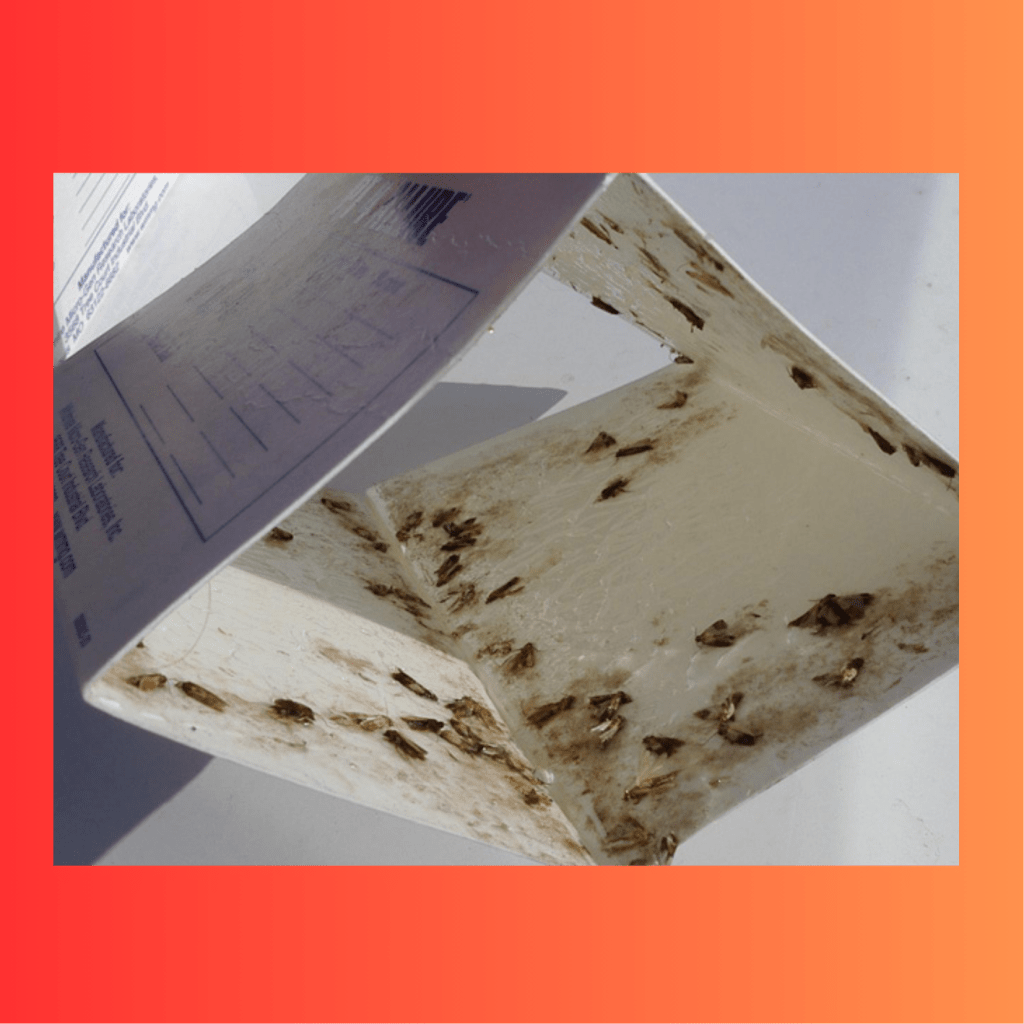
Imagine opening your front door after a long hard day at work, ready to relax in your living room, only to find a line of ants parading across your coffee table, or tiny moths flying out from your pantry. It’s enough to make anyone cringe with disgust! But what if you could outsmart these pesky pest without coating your home in harsh chemicals? Enter pheromones—the revolutionary, nature-inspired solution that’s transforming pest control. Safe, eco-friendly, and surprisingly clever, this next-generation approach is making life easier for homeowners everywhere. Let’s explore how pheromones work and why they’re your new best friend in the fight against pests.
What Are Pheromones, Anyway?
If you’re imagining some high-tech, scientific gadget, think again. Pheromones are naturally occurring chemicals that insects (and some animals) use to communicate with each other. Think of them as the insect world’s version of text messages. Whether it’s a signal to attract a mate, mark a food trail, or warn of danger, pheromones are the secret language pests use to coordinate their lives.
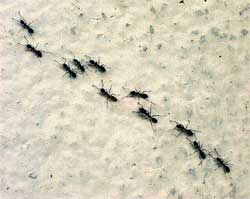
Ants in a trail are a common sight and result from the ants’ use of pheromone trails for communication and navigation. These trails, laid by scout ants, guide other ants to food sources or new nest locations.
Scientists have cracked this code and are now using synthetic versions of these pheromones to outsmart pests. Instead of blasting your home with chemicals that kill everything in sight (and potentially harm your family or pets), pheromone-based pest control manipulates the pests’ own biology to stop them in their tracks. It’s like hacking their group chat and sending them on a wild goose chase.
How Does Pheromone-Based Pest Control Work?
Pheromone pest control works by mimicking or disrupting the signals pests rely on. There are a few key ways this is done, and each method is tailored to specific pests and behaviors. Here’s a breakdown of the main strategies:
1. Attraction and Trapping
This method is like setting a irresistible lure for pests. Traps are designed to release synthetic pheromones that mimic the sex pheromones female insects emit to attract males. Male pests, driven by instinct, follow the scent thinking they’re heading toward a mate, only to find themselves stuck on a sticky trap or confined in a container. This approach is particularly effective for pests like pantry moths, fruit flies, and stored-product beetles, which can wreak havoc in kitchens and storage areas. For homeowners, these traps are a lifesaver—they reduce the number of reproducing pests, gradually shrinking the population. For example, a single pantry moth trap can capture hundreds of male moths, preventing them from mating and laying eggs in your flour or cereal. These traps are often compact, easy to place in cabinets or pantries, and require no messy sprays or cleanup.
2. Mating Disruption
Imagine flooding a party with so many mixed signals that no one can find their dance partner—that’s mating disruption in a nutshell. This technique involves releasing large amounts of synthetic sex pheromones into the environment, creating a “cloud” of confusion that makes it nearly impossible for male insects to locate females. Without successful mating, the pest population can’t reproduce, and their numbers dwindle over time. This method is especially useful for outdoor pests like codling moths, which attack fruit trees, or grapevine moths that damage vineyards. For homeowners with gardens or orchards, mating disruption systems—often deployed as dispensers or aerosol devices—can protect crops without the need for toxic pesticides. These systems are low-maintenance and can provide season-long control, making them a practical choice for keeping your backyard pest-free.
3. Repellents and Deterrents
Some pheromones don’t attract pests but instead send them running. Alarm pheromones, for instance, are chemical signals that warn insects of danger, prompting them to flee or avoid an area. Scientists have harnessed these signals to create repellents that make pests think twice about invading your space. This approach is ideal for pests like ants, which rely on pheromone trails to navigate to food sources, or cockroaches that skulk around in dark corners. By disrupting these trails or broadcasting alarm signals, you can make your kitchen, pantry, or garage far less inviting. For homeowners, this means a chemical-free way to keep pests at bay, especially in sensitive areas where food is stored or prepared. Repellent pheromones are often integrated into gels, sprays, or diffusers that are safe and easy to apply.
4. Aggregation Disruption
Some pests, like certain beetles or social insects, use aggregation pheromones to gather in groups, whether to feed, mate, or establish colonies. By mimicking these pheromones or introducing competing signals, pest control experts can scatter these gatherings or prevent them from forming in the first place. This method is particularly effective for pests like bark beetles, which can devastate trees in your yard, or pantry beetles that infest stored grains. For homeowners, aggregation disruption can be a powerful tool to prevent large-scale infestations, especially in garages, sheds, or outdoor areas where pests tend to congregate. Devices using this technique are often designed to be long-lasting, providing continuous protection with minimal effort.
Why Pheromones Are a Win for Homeowners
So, why should you, the average homeowner, care about pheromone-based pest control? Let’s break down the benefits that make this approach a no-brainer.
1. Safer for Your Family and Pets
Traditional pest control often involves chemicals that can linger in the air, on surfaces, or even in your food. These can pose health risks, especially for kids, pets, or anyone with respiratory issues. Pheromones, on the other hand, are non-toxic and target-specific. They only affect the pests they’re designed for, leaving humans, pets, and beneficial insects like bees unharmed. You can breathe easy knowing your pest control isn’t putting your loved ones at risk.
2. Eco-Friendly and Sustainable
Pesticides don’t just kill pests—they can harm the environment, contaminate soil and water, and disrupt ecosystems. Pheromones are a greener alternative. They’re biodegradable, don’t leave harmful residues, and have minimal impact on non-target species. If you’re trying to make your home more sustainable, pheromone-based pest control is a step in the right direction.
3. Easy to Use
Pheromone traps and devices are designed with homeowners in mind. Many are as simple as peel-and-stick traps or small dispensers you place in problem areas like pantries, garages, or gardens. No need to suit up in protective gear or hire an exterminator. For example, pantry moth traps are small, discreet, and can be tucked away in a cupboard, quietly doing their job while you go about your day.
4. Long-Lasting Results
Unlike sprays that need constant reapplication, pheromone traps and mating disruptors can provide weeks or even months of protection. A single trap can catch hundreds of pests, and mating disruption systems can keep pest populations down for an entire growing season. This means less hassle and fewer repeat infestations for you.
5. Targeted and Effective
Pheromones are like a laser instead of a sledgehammer. They target specific pests without affecting other insects or wildlife. This precision makes them incredibly effective at controlling infestations without the collateral damage of traditional pesticides. Plus, because they work with the pests’ natural behaviors, it’s harder for insects to develop resistance—a growing problem with chemical pesticides.
Real-Life Applications for Homeowners
Wondering how pheromone-based pest control fits into your life? Here are a few scenarios where it can make a big difference:
- Pantry Moths in the Kitchen: If you’ve ever opened a bag of flour to find it crawling with pantry moths, you know the horror. Pheromone traps are a homeowner’s best friend here. Place a trap in your pantry, and it’ll attract and capture male moths, stopping the reproductive cycle and saving your grains and cereals.
- Ants on the Counter: Ants follow pheromone trails to food sources, which is why they seem to appear out of nowhere. Pheromone-based repellents can disrupt these trails, making your kitchen less appealing and sending ants packing.
- Garden Pests: If you’ve got a backyard garden or fruit trees, pests like codling moths or Japanese beetles can destroy your harvest. Pheromone mating disruption systems can protect your plants by preventing pests from reproducing, giving you a bountiful crop without the need for harsh chemicals.
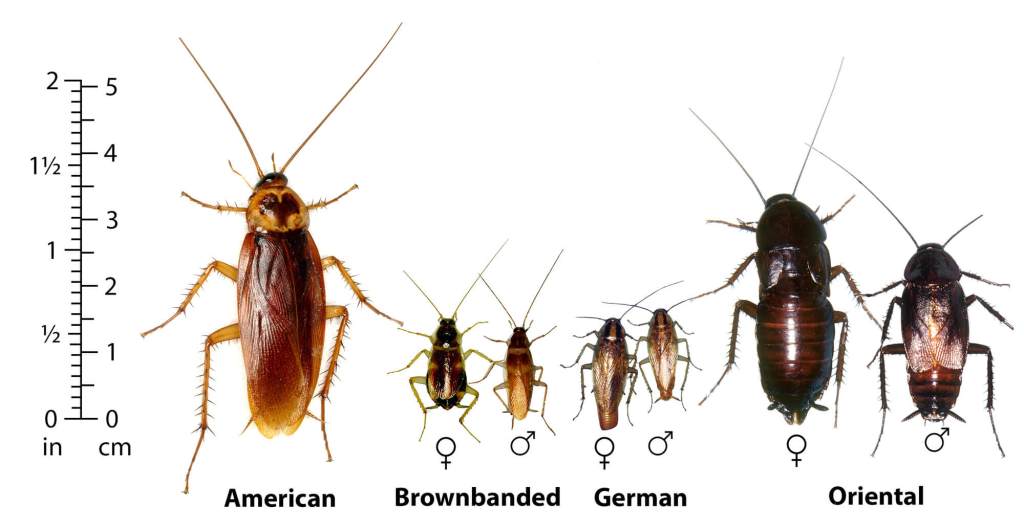
- Cockroaches in the Garage: Cockroaches are notoriously hard to eliminate, but pheromone traps can lure them out of hiding and into sticky traps, reducing their numbers without spreading toxins around your home.
What to Expect When Using Pheromone Pest Control
If you’re new to pheromones, you might be wondering how to get started. Most pheromone products are available online or at home improvement stores, and they come with clear instructions. Traps are typically small and discreet, designed to blend into your home or garden. You might need to replace them every few weeks or months, depending on the product and the pest you’re targeting.
One thing to keep in mind: pheromone pest control works best as part of an integrated pest management (IPM) approach. This means combining pheromones with good housekeeping practices, like sealing food in airtight containers, cleaning up spills, and sealing cracks where pests can enter. While pheromones are powerful, they’re not a magic bullet—think of them as a key tool in your pest-fighting toolbox.
The Future of Pest Control Is Here
Pheromone-based pest control isn’t just a fad—it’s the future. As research advances, scientists are developing new ways to use pheromones, from targeting a wider range of pests to creating more effective delivery systems. For homeowners, this means even better options for keeping pests at bay without compromising safety or the environment.
Imagine a world where you don’t have to choose between a pest-free home and a healthy one. That’s the promise of pheromones. They’re smart, sustainable, and easy to use, making them a perfect fit for the modern homeowner. So, the next time you spot those ants marching across your counter or hear the flutter of pantry moths, don’t reach for the spray can. Try pheromones instead—you might just be amazed at how well they work.


 Pest Free Living
Leave a comment