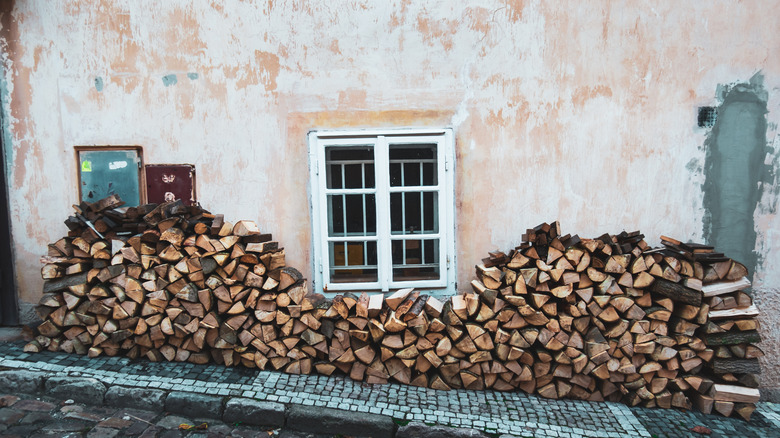
Picture this: it’s a chilly evening, and you’re headed out back to grab some firewood for your living room fireplace. The stack is right up against your home—super convenient, right? But that convenience might be costing you more than you think. In my 25+ years working in pest control, I can’t tell you how many times I’ve traced termite, ant, or rodent problems right back to a stack of firewood sitting flush against the foundation.
Yes, it might save you a few steps on a cold night—but the risks far outweigh the convenience. Let’s talk about why storing firewood away from your home’s foundation is crucial, and what you can do to keep your cozy nights from turning into pest nightmares.
Firewood: A Welcome Mat for Pests
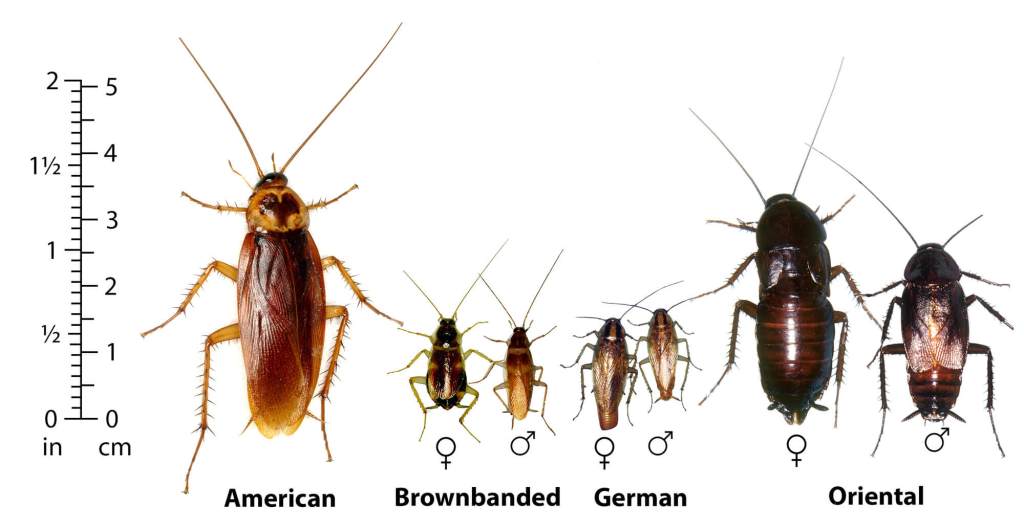
To insects and rodents, a pile of firewood isn’t just a stack of logs—it’s a five-star hotel. It’s warm, dark, and often slightly damp, making it the perfect breeding ground for all sorts of unwanted guests:
- Termites and carpenter ants can burrow into the wood and eventually spread to your home’s structure.
- Mice and rats love hiding in firewood stacks, especially when they’re pressed up against siding or brick.
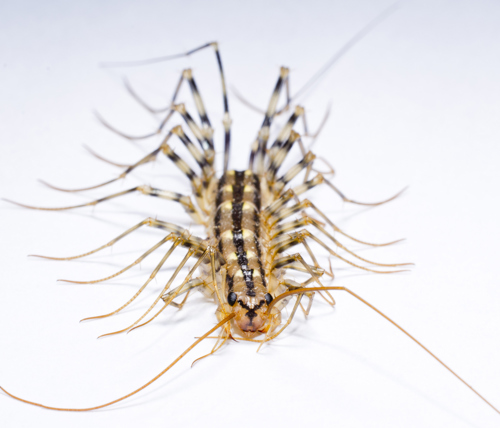
- Spiders, centipedes, and beetles often lay eggs in firewood, especially if it’s been sitting untouched for a while.
When the stack is right next to your house, these pests have a direct bridge into your home. One minute they’re hanging out in the log pile—next thing you know, they’re in your walls, your kitchen, or your attic.
How Close Is Too Close?
So how far away should you keep your firewood stack? Ideally, at least 20 feet from your house. If that’s not practical (we get it—everyone’s yard is different), try for at least 5 feet, and never allow the logs to touch your siding or foundation directly.
Distance gives you a critical buffer zone—not just physically, but also visually and behaviorally. When your firewood is stored several feet away from your home, pests like termites, ants, and rodents have a much harder time making that jump from the log pile to your walls, crawlspace, or attic. Most pests prefer to move along concealed, protected paths. When you create a clear gap between the stack and your home, you remove the easy “bridge” they’d otherwise use.
That space also gives you a chance to see what’s happening before it’s too late. If there are termite mud tubes, droppings, rodent trails, or chewed wood, you’re more likely to notice them when there’s separation from your home. With firewood stacked directly against the siding, infestations can go unnoticed until they’re deep inside the structure—and that often means expensive repairs.
Think of this gap like a firebreak in wildfire management: it won’t guarantee pests won’t try, but it slows them down considerably, exposes their movement, and buys you time to act before they settle in.
Keep It Off the Ground
Keeping firewood off the ground is one of the smartest and most overlooked ways to reduce pest problems before they start. When you stack logs directly on soil, you’re creating the perfect storm: moisture from the earth, darkness under the pile, and organic material ripe for pests like termites, carpenter ants, beetles, and even rodents. These conditions not only attract bugs, but also accelerate the breakdown of the wood, which weakens your supply and makes it less usable when you actually need it.
Raising your firewood stack even just 6–12 inches off the ground makes a world of difference. Use sturdy materials like a metal firewood rack, concrete blocks, or plastic pallets—avoid wood pallets, which can rot and harbor insects themselves. This elevation allows air to circulate beneath the pile, keeping the bottom layer dry and discouraging mold, mildew, and bugs.
Plus, having the stack raised gives you better visibility. You can quickly spot early signs of infestation—like tunnels, nests, or droppings—before it turns into a bigger issue. And when it’s time to grab wood, you won’t be reaching into a damp, decomposing mess filled with creepy crawlers.
Think of elevation as the foundation of pest prevention: simple, effective, and something you can do today.
Stack Smart, Burn Fast
Don’t over-stack your wood, and don’t leave it sitting for too long. Rotate your supply and try to burn older logs first. The longer wood sits, the more likely it is to become infested.
Here are a few more tips:
- Cover your pile with a tarp or firewood cover to protect it from rain, but leave the sides and bottom open for airflow.
- Avoid stacking wood indoors unless you’re bringing it in to burn that day—bugs can hitch a ride inside.
- Inspect logs before bringing them in. Knock off any clinging insects and avoid carrying in obviously infested wood.
Your Next Step: Protect Your Home Today
Firewood should keep you warm—not invite pests inside. By storing it properly off the ground and away from your home you’re doing more than just keeping bugs at bay. You’re protecting your home’s structure, saving money on future pest treatments, and keeping your family safer and healthier.
If your firewood is too close to your house right now, don’t wait for signs of termites or a rodent infestation. Take 30 minutes this weekend to move your stack, raise it up, and do a quick inspection. It’s a small project that can save you big in the long run.
Want more practical, real-world pest prevention tips like this? Subscribe or drop a question in the comments—I’m always here to help you keep your home truly pest-free, season after season.




 Pest Free Living
Leave a comment