
Table of Contents
- Introduction: Why Natural Pest Control Works
- Benefits of Natural Pest Control Over Chemical Pesticides
- Essential Oils for Pest Control: Nature’s Repellents
- Peppermint Oil for Ants and Mice
- Citronella Oil for Mosquitoes
- Tea Tree Oil for Fleas and Ticks
- Kitchen Ingredients That Repel Pests
- White Vinegar for Ants and Fruit Flies
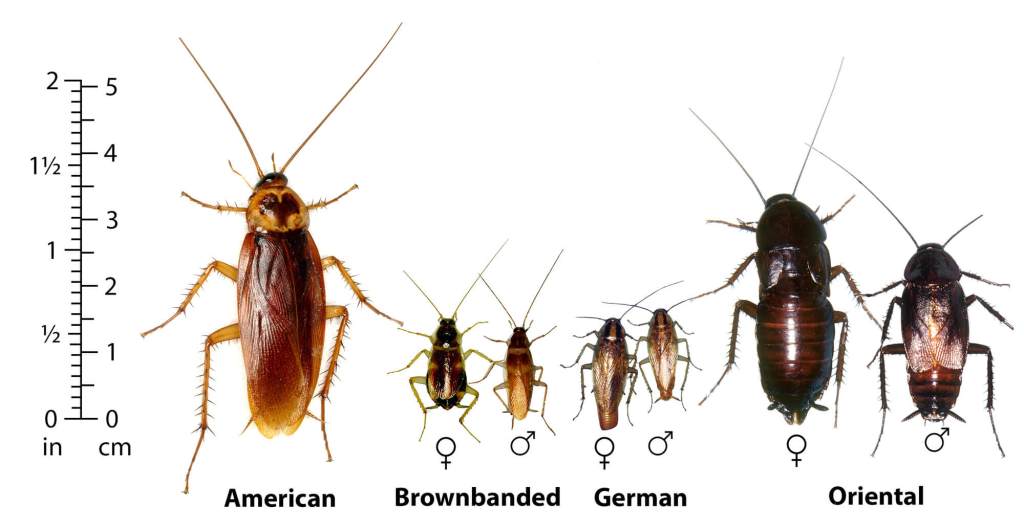
- Baking Soda and Sugar for Cockroaches
- Pest-Repelling Plants for Your Garden
- Marigolds: The Garden Guardian
- Lavender for Moths and Flies
- Basil: Natural Fly Deterrent
- Diatomaceous Earth: Safe Pest Elimination
- Natural Pest Traps and Barriers
- Copper Tape
- Sticky Traps
- Humane Mouse Traps
- Prevention Tips: Long-Term Pest Control
- Pros and Cons of Natural Pest Control Methods
- Getting Started: Your Natural Pest Control Action Plan
Introduction: Why Natural Pest Control Works
Dealing with pests invading your home or garden can be frustrating and overwhelming. Whether you’re battling ants marching across your kitchen counters, aphids destroying your rose bushes, or mosquitoes turning your backyard into a no-go zone, the immediate impulse might be to reach for chemical pesticides. However, natural pest control methods offer effective, safer alternatives that protect your family, pets, and the environment while successfully eliminating unwanted pests.
Natural pest control has gained popularity among homeowners who want to maintain a healthy living environment without exposing themselves to toxic chemicals. These eco-friendly methods use common household items, essential oils, and strategic planting to create an inhospitable environment for pests while maintaining the delicate balance of beneficial insects in your ecosystem.
Benefits of Natural Pest Control Over Chemical Pesticides
Choosing natural pest control methods over chemical alternatives offers numerous advantages for both immediate pest management and long-term environmental health. Chemical pesticides, while providing quick results, often come with significant drawbacks including toxic residues, harm to beneficial insects like bees and butterflies, and potential health risks for children and pets.
Natural pest control methods utilize ingredients you likely already have in your pantry or garden, making them cost-effective solutions. These methods work by disrupting pest behavior patterns, creating natural barriers, or using scents and substances that pests instinctively avoid. While natural methods may require more patience and consistent application, they provide sustainable, long-term pest management without compromising your family’s health or environmental safety.
The environmental benefits extend beyond your immediate property. By avoiding chemical pesticides, you protect pollinators, soil microorganisms, and water sources from contamination. This approach supports biodiversity and helps maintain the natural predator-prey relationships that keep pest populations in check naturally.
Essential Oils for Pest Control: Nature’s Repellents
Essential oils serve as powerful, natural pest deterrents that work by overwhelming pests’ sensitive olfactory systems. These concentrated plant extracts contain compounds that many insects and rodents find repulsive, making them excellent first-line defenses against various household pests.
Peppermint Oil for Ants and Mice
Peppermint oil stands out as one of the most versatile and effective natural pest repellents. Its strong menthol scent disrupts the pheromone trails that ants use for navigation, effectively breaking their communication system and discouraging them from entering treated areas.
To create an effective peppermint oil spray, combine 10-15 drops of pure peppermint essential oil with one cup of water in a spray bottle. Apply this solution around doorways, windowsills, baseboards, and any areas where you’ve noticed pest activity. The treatment works immediately upon application and typically remains effective for several days, depending on environmental conditions.
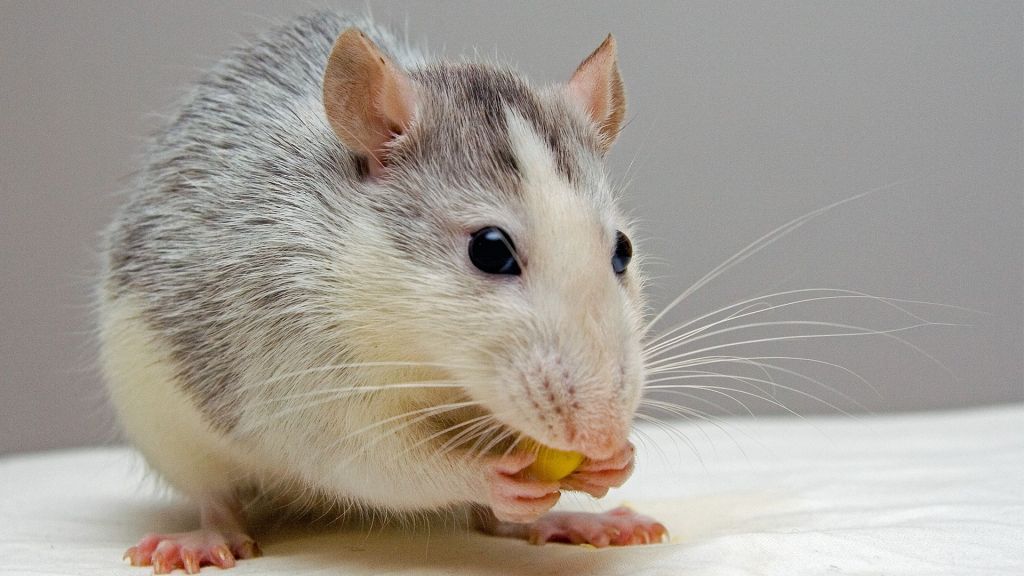
For mouse control, peppermint oil works by creating an overwhelming sensory experience that rodents instinctively avoid. Soak cotton balls in peppermint oil and place them near potential entry points, in cabinets, or areas where you’ve noticed mouse activity. Replace the cotton balls weekly or when the scent begins to fade.
Citronella Oil for Mosquitoes
Citronella oil has been used for decades as a natural mosquito repellent, and scientific studies support its effectiveness. The oil works by masking the carbon dioxide and lactic acid scents that attract mosquitoes to humans, making you less detectable to these persistent pests.
Create a natural mosquito spray by mixing 10-20 drops of citronella oil with water and a small amount of witch hazel or vodka to help the oil distribute evenly. This mixture can be sprayed on outdoor furniture, around patios, or even on clothing (test a small area first). For extended outdoor activities, citronella candles or diffusers provide continuous protection for larger areas.
Tea Tree Oil for Fleas and Ticks
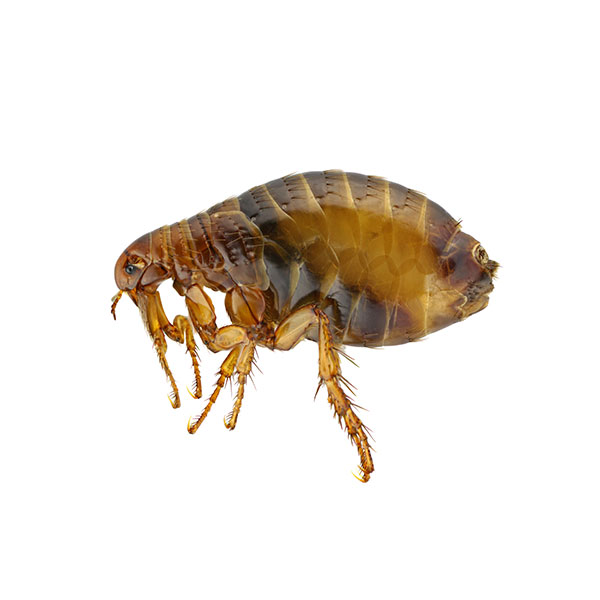
Tea tree oil possesses natural antiparasitic properties that make it highly effective against fleas and ticks. However, this potent oil requires careful dilution, especially around pets, as concentrated tea tree oil can be toxic to cats and dogs.
For flea control, create a diluted solution using 5-10 drops of tea tree oil per cup of water. Spray this mixture on pet bedding, carpets, and upholstery where fleas might hide. The oil disrupts the flea life cycle and repels adult fleas from treated areas. Always ensure proper ventilation and keep pets away from treated areas until completely dry.
Kitchen Ingredients That Repel Pests
Your kitchen pantry contains several powerful pest control ingredients that can effectively eliminate common household pests without introducing harmful chemicals into your living space. These everyday items work through various mechanisms, from disrupting pest navigation to creating lethal traps using natural attractants.
White Vinegar for Ants and Fruit Flies
White vinegar serves as an excellent natural pest control agent due to its high acidity and strong odor that many pests find intolerable. For ant control, vinegar works by erasing the scent trails that ants leave for their colony members, effectively disrupting their ability to navigate and communicate.
Create an effective ant deterrent by mixing equal parts white vinegar and water in a spray bottle. Apply this solution directly to ant trails, entry points, and areas where ants congregate. The vinegar neutralizes the pheromone trails immediately, causing confusion among scout ants and preventing them from leading others to food sources.
For fruit fly control, apple cider vinegar works more effectively than white vinegar due to its sweet, fermented scent that attracts these tiny pests. Create a simple trap by placing apple cider vinegar in a small bowl with a few drops of dish soap. The vinegar attracts fruit flies, while the soap breaks the surface tension, causing them to drown. This method can eliminate an entire fruit fly population within 24-48 hours.
Baking Soda and Sugar for Cockroaches
The combination of baking soda and sugar creates an effective cockroach elimination method that uses the pests’ feeding behavior against them. Sugar serves as an irresistible attractant, while baking soda acts as the active ingredient that eliminates cockroaches through a chemical reaction in their digestive system.
Mix equal parts baking soda and granulated sugar, then sprinkle this mixture in areas where cockroaches are likely to travel, such as behind appliances, in dark corners, under sinks, and along baseboards. The sugar attracts cockroaches, encouraging them to consume the mixture, while the baking soda reacts with their stomach acids, creating carbon dioxide gas that cockroaches cannot expel, ultimately proving fatal.
This method requires patience, as results may not be immediately visible. However, consistent application over 1-2 weeks typically shows significant reduction in cockroach populations. Reapply the mixture every few days, especially after cleaning or if it becomes wet.
Pest-Repelling Plants for Your Garden
Strategic landscaping with pest-repelling plants creates a natural barrier around your home while adding beauty and functionality to your outdoor space. These plants contain natural compounds that many pests find offensive, creating an inhospitable environment that encourages pests to seek alternative locations.
Marigolds: The Garden Guardian
Marigolds earn their reputation as one of the most effective pest-repelling plants due to their production of thiophenes, natural compounds that many insects find repulsive. These hardy annuals work particularly well against aphids, whiteflies, and various soil-dwelling pests that can damage vegetable gardens.
Plant marigolds throughout your vegetable garden, focusing on areas around tomatoes, peppers, and other susceptible crops. The plants work most effectively when placed within 1-2 feet of the crops you want to protect. Marigolds also help control nematodes in the soil, making them valuable companion plants for long-term garden health.
French marigolds (Tagetes patula) tend to be more effective for pest control than African varieties, though both provide some level of protection. Plant them in full sun with well-draining soil for best results, and deadhead spent blooms regularly to encourage continued flowering and maximum pest-repelling effectiveness.
Lavender for Moths and Flies
Lavender’s distinctive fragrance, while pleasant to humans, acts as a powerful deterrent for moths, flies, mosquitoes, and other flying insects. The plant contains linalool and camphor, natural compounds that interfere with insects’ nervous systems and make treated areas inhospitable to many pest species.
Plant lavender near entryways, windows, and outdoor seating areas to create natural barriers against flying insects. The plants work both as living repellents and as sources of dried material for indoor pest control. Harvest lavender stems when flowers are fully developed but not yet faded, then dry them for use in sachets, drawer liners, or closet hangers to repel moths from clothing storage areas.
English lavender (Lavandula angustifolia) typically provides the strongest pest-repelling properties, though Spanish and French varieties also offer some protection. These perennial plants thrive in full sun with well-draining soil and require minimal maintenance once established.
Basil: Natural Fly Deterrent
Basil plants serve double duty by providing fresh herbs for cooking while naturally repelling flies, mosquitoes, and other flying insects. The plant’s strong aromatic oils, particularly eugenol and citronellol, create an environment that flying pests actively avoid.
Place potted basil plants near doorways, on windowsills, or around outdoor dining areas for maximum fly-repelling effectiveness. Sweet basil works well for general pest control, while lemon basil and cinnamon basil varieties offer additional mosquito-repelling properties. Pinch flowers regularly to encourage continued leaf production and maintain the plant’s pest-repelling strength.
For indoor use, fresh basil leaves can be crushed and rubbed on skin as a natural insect repellent, though this should be done sparingly and tested on a small skin area first. Dried basil leaves can also be scattered around areas where flies congregate, providing ongoing protection.
Diatomaceous Earth: Safe Pest Elimination
Food-grade diatomaceous earth (DE) represents one of the most effective natural pest control methods for eliminating crawling insects. This fine powder consists of fossilized remains of diatoms, microscopic algae with sharp, glass-like edges that are lethal to insects but safe for humans and pets when used properly.
Diatomaceous earth works through physical action rather than chemical poisoning. When insects crawl through DE, the microscopic sharp edges cut through their exoskeletons, causing dehydration and death within 24-48 hours. This mechanical action means pests cannot develop resistance to DE, making it a reliable long-term pest control solution.
Apply a thin, even layer of food-grade diatomaceous earth in areas where crawling insects travel, such as along baseboards, in cracks and crevices, around the perimeter of rooms, and in garden beds. The powder works best when dry, so reapplication is necessary after rain or cleaning. When applying DE, wear a dust mask to avoid inhaling the fine particles, and ensure you purchase food-grade DE rather than pool-grade, which contains additives harmful to humans and pets.
For garden use, sprinkle DE around the base of plants affected by crawling pests like slugs, snails, ants, or cucumber beetles. The treatment provides immediate protection and continues working as long as the powder remains dry and undisturbed.
Natural Pest Traps and Barriers
Physical barriers and traps offer immediate, targeted pest control without relying on chemical deterrents or waiting for plants to establish effectiveness. These methods work by either preventing pest access to protected areas or capturing pests using their natural behaviors and preferences.
Copper Tape for Slugs and Snails
Copper tape creates an effective barrier against slugs and snails through a mild electrical reaction that occurs when these pests’ slime contacts the metal. This reaction creates an unpleasant sensation that slugs and snails instinctively avoid, making copper tape an excellent protective barrier for potted plants and garden beds.
Apply copper tape around the rims of pots, raised bed edges, or tree trunks to protect vulnerable plants. For maximum effectiveness, ensure the tape forms a complete barrier with no gaps, and clean it periodically to remove oxidation that might reduce its effectiveness. The tape works indefinitely when properly maintained and provides 24/7 protection without requiring reapplication or replacement.
Wide copper tape (at least 1 inch) works better than narrow strips, as it creates a larger surface area that pests must cross. Installation requires clean, dry surfaces for proper adhesion, and the tape should be positioned so that pests cannot easily bridge over it using debris or plant material.
Sticky Traps for Flying Insects
Yellow sticky traps take advantage of many flying insects’ attraction to bright yellow colors, making them highly effective for monitoring and controlling whiteflies, fungus gnats, aphids, and other small flying pests. These traps work passively, requiring no baits or attractants beyond their color and sticky surface.
Place yellow sticky traps near affected plants, hanging them at plant height or slightly above for maximum effectiveness. In greenhouses or indoor growing areas, use one trap per 100-200 square feet of growing space. Monitor traps regularly and replace them when the sticky surface becomes covered with insects or debris.
Blue sticky traps work better for thrips, while white traps can help with moths and other light-attracted insects. Position traps away from beneficial insects when possible, and remove them during periods when pollinators are active in the area.
Humane Mouse Traps
Live traps provide an ethical alternative to lethal mouse control methods while effectively removing rodents from your home. These traps capture mice without harm, allowing for relocation away from your property.
Bait humane traps with high-value foods like peanut butter, chocolate, or dried fruit. Place traps along walls where mice typically travel, focusing on areas near food sources or where you’ve noticed mouse droppings. Check traps frequently (at least twice daily) to minimize stress on captured animals and relocate mice at least 2-3 miles from your home to prevent their return.
Combine humane trapping with exclusion methods like sealing entry points and removing food sources for most effective long-term mouse control. Steel wool stuffed into small gaps and holes prevents mice from chewing through barriers, while proper food storage eliminates attractants.
Prevention Tips: Long-Term Pest Control
Effective pest management relies heavily on prevention strategies that make your home and garden less attractive to pests in the first place. These proactive measures address the root causes of pest problems rather than simply treating symptoms after infestations occur.
Food Storage and Kitchen Hygiene: Store all food items in airtight containers made of glass, metal, or heavy plastic that pests cannot chew through. This includes pet food, birdseed, and bulk items like flour and rice that commonly attract pantry pests. Clean spills immediately, wipe down counters daily, and address sticky residues that can attract ants and other insects.
Moisture Control: Many pests, particularly silverfish, cockroaches, and certain flies, thrive in moist environments. Fix leaky pipes, improve ventilation in bathrooms and basements, use dehumidifiers in damp areas, and ensure proper drainage around your home’s foundation. Address condensation issues on windows and pipes that can create attractive environments for pests.
Structural Maintenance: Seal cracks and gaps around windows, doors, and foundations using caulk or weather stripping. Install or repair screens on windows and doors, and seal gaps around utility penetrations. Regular maintenance prevents pest entry and reduces the likelihood of infestations taking hold.
Garden and Landscape Management: Practice crop rotation in vegetable gardens to disrupt pest life cycles, remove garden debris where pests can overwinter, and maintain proper plant spacing for good air circulation. Encourage beneficial insects by planting diverse flowering plants and avoiding broad-spectrum treatments that harm helpful species.
Regular Monitoring: Establish routine inspection schedules to catch pest problems early when they’re easier to address. Look for signs like droppings, damage to plants or structures, or the pests themselves during regular maintenance activities.
Pros and Cons of Natural Pest Control Methods
Understanding the advantages and limitations of natural pest control methods helps set realistic expectations and develop effective integrated management strategies.
Advantages of Natural Pest Control:
- Safety: Natural methods pose minimal risk to children, pets, and beneficial insects when used properly
- Environmental Protection: No toxic residues contaminate soil, water, or air
- Cost-Effectiveness: Many natural pest control ingredients are inexpensive household items
- Sustainability: Methods can be used repeatedly without environmental degradation
- Resistance Prevention: Pests cannot develop resistance to physical barriers or many natural compounds
- Multiple Benefits: Many natural methods provide additional benefits, such as pleasant scents or edible herbs
Limitations of Natural Pest Control:
- Slower Results: Natural methods often require more time to show effectiveness compared to chemical alternatives
- Frequent Reapplication: Many natural repellents need regular reapplication to maintain effectiveness
- Weather Sensitivity: Rain and humidity can reduce the effectiveness of some natural treatments
- Limited Scope: Severe infestations may require professional intervention or integrated approaches
- Variability: Effectiveness can vary based on pest species, environmental conditions, and application methods
When to Consider Professional Help: Contact pest control professionals for severe infestations, structural damage, or when dealing with potentially dangerous pests like wasps or venomous spiders. Many professional services now offer integrated pest management approaches that combine natural and conventional methods.
Getting Started: Your Natural Pest Control Action Plan
Implementing natural pest control doesn’t require a complete overhaul of your current practices. Start with these manageable steps to build an effective, eco-friendly pest management system:
Week 1 – Assessment and Immediate Action:
- Identify current pest problems and their likely sources
- Implement one natural method relevant to your most pressing pest issue
- Begin with readily available ingredients like vinegar, essential oils, or baking soda
- Start a simple monitoring system to track pest activity
Week 2-3 – Establish Prevention Measures:
- Seal food in airtight containers and improve kitchen hygiene
- Address moisture issues and seal obvious entry points
- Plant 2-3 pest-repelling plants near problem areas
- Set up appropriate traps or barriers for your specific pest issues
Month 2 – Expand and Refine:
- Add more diverse natural pest control methods based on initial results
- Plant additional pest-repelling plants as weather and space allow
- Establish regular maintenance routines for reapplication and monitoring
- Document what works best for your specific situation
Ongoing Maintenance:
- Rotate natural methods seasonally to maintain effectiveness
- Share successful strategies with neighbors and friends to create community-wide pest management
- Continue learning about new natural pest control methods and adapting your approach
Building Community Impact: Encourage neighbors to adopt natural pest control methods to create area-wide reduction in pest populations. Share successful techniques through social media, community gardens, or neighborhood groups to amplify the positive environmental impact.
By following this systematic approach and remaining patient with natural methods, you can create a healthier, more sustainable pest management system that protects your family, pets, and environment while effectively controlling unwanted pests in your home and garden.
Pests crashing your home or garden party? Ants parading across your kitchen, aphids chowing down on your roses, or mosquitoes making your backyard a nightmare—been there, and it’s the worst! Chemical pesticides might seem like an easy fix, but they can mess with your health, your pets, and the planet. Good news: natural remedies work just as well, and they’re way kinder to everyone. I’ve battled pantry moths, backyard bugs, and sneaky mice, and I’m sharing my favorite eco-friendly tricks to keep your space pest-free. Let’s get started with solutions you can try right now.
Why Choose Natural Pest Control?
Chemical sprays promise a quick knockout, but they often leave behind toxic fumes and harm helpful critters like bees. Natural pest control uses stuff you already have—think pantry staples, plants, and simple habits—to shoo pests away or stop them cold. These methods are safer, cheaper, and won’t make you worry about what’s lingering in your air or soil. They might take a little extra effort, but trust me, it’s worth it for a healthier home and garden.
Essential Oils: Smells Pests Hate
Who knew your essential oils could double as pest-fighting superheroes? Peppermint oil is my go-to—it sends ants, spiders, and even mice scurrying. Mix 10–15 drops with a cup of water in a spray bottle and hit doorways, windows, or anywhere pests pop up. I sprayed this around my kitchen and stopped an ant invasion in its tracks. Citronella oil is a mosquito’s worst enemy—perfect for patio sprays or diffusers. Got pets? Tea tree oil works wonders on fleas and ticks; just dilute it and spritz their bedding. Always dilute oils and test a small spot first to avoid any oops moments.
Pantry Power: Fight Pests with What’s in Your Kitchen
Your kitchen’s hiding some serious pest-busting tools. White vinegar is a champ against ants and fruit flies. Spray a 50/50 vinegar-water mix on ant trails to mess up their GPS. For fruit flies, set out a bowl of apple cider vinegar with a drop of dish soap—they dive in and get stuck. I cleared a fruit fly swarm in days with this trick. Roaches? Mix equal parts baking soda and sugar, sprinkle it in their hideouts, and watch the sugar lure them while the baking soda does the rest. These hacks are cheap, safe, and probably already in your pantry.
Plants That Say “Not in My Yard!”
Some plants are like nature’s bodyguards. Marigolds are my garden MVPs—their funky smell keeps aphids, mosquitoes, and soil pests away, so I plant them near my veggies. Lavender’s another gem; it repels moths, fleas, and flies while making your yard smell like a spa. Basil by your door is like a “no flies” sign—plus, you get fresh herbs! I keep pots of these on my windowsills for style and pest protection. It’s a total win.
Diatomaceous Earth: Bugs’ Worst Nightmare
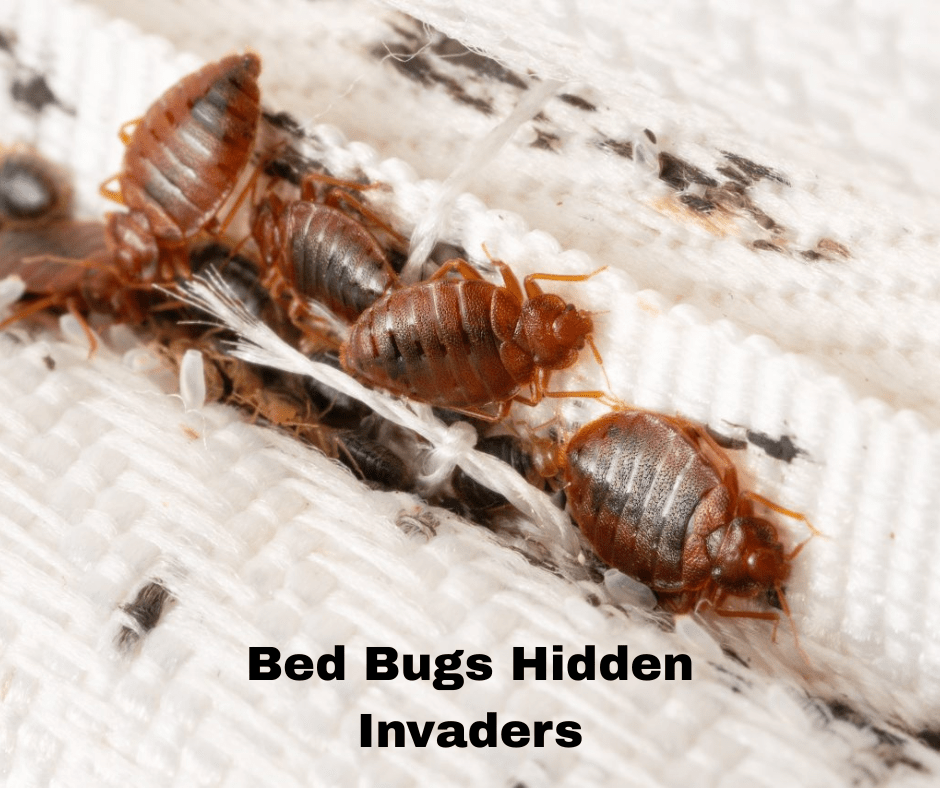
Food-grade diatomaceous earth (DE) sounds sci-fi, but it’s just a natural powder that wipes out crawling bugs like ants, roaches, and bedbugs by drying them out. Sprinkle a thin layer in cracks, corners, or garden beds. I used it around my tomatoes last summer, and the ants didn’t stand a chance. Reapply after rain or cleaning, and wear a mask to avoid breathing the dust. It’s safe for kids and pets but ruthless on pests.
Traps and Barriers: Stop Pests in Their Tracks
Sometimes, you gotta block or trap those sneaky pests. Copper tape around pots or garden beds keeps slugs and snails at bay—they won’t cross it. Sticky traps nab pantry moths or whiteflies; I’ve had great luck with them in my greenhouse. For mice, humane traps with peanut butter bait let you relocate them kindly. Pair traps with something like peppermint spray for extra muscle.
Keep Pests Out for Good
The best pest control is keeping them out in the first place. Seal food in airtight containers, wipe counters, and fix leaks—silverfish love damp spots. In the garden, rotate crops and clear debris to ditch pest hideouts. I plant flowers like dill to draw in ladybugs, who munch aphids like candy. Healthy plants and a tidy space are your secret weapons.
The Pros and Cons
Natural remedies save cash, keep your family safe, and protect the environment. They don’t harm pollinators, which is huge for your garden. But they can take time and need regular use. If you’re dealing with a massive infestation, you might need a pro or a mix of natural and chemical fixes. Start early to stay ahead.
Let’s Do This!
Ready to kick pests out naturally? Grab some peppermint oil, vinegar, or marigold seeds and give these a whirl. Try one trick this week—maybe a fruit fly trap or a basil pot by your door. Share your wins with friends or on social media to inspire others. Let’s make our homes and gardens pest-free and thriving, the natural way!


 Pest Free Living
Leave a comment