
If you live in or visit the southern or eastern United States, you need to know about the Lone Star tick. This aggressive tick is spreading rapidly across the country and can cause serious health problems—including a lifelong allergy to red meat.
What Makes Lone Star Ticks So Dangerous?
Unlike other ticks that wait passively for hosts, Lone Star ticks actively hunt humans. They can detect your breath, body heat, and movement from several feet away, making them incredibly effective at finding and biting people.
Quick Identification Guide:
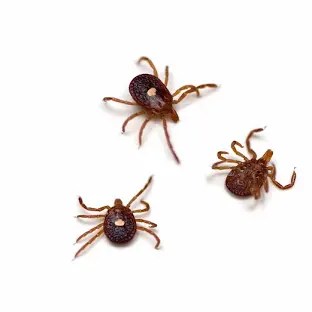
- Female ticks: White dot (“lone star”) on their back
- Male ticks: Faint white streaks along body edges
- Size: About the size of a sesame seed when unfed
- Color: Reddish-brown
Where Are Lone Star Ticks Found in 2025?
Originally confined to the Southeast, Lone Star ticks have dramatically expanded their range:
Current Distribution:
- Heavy populations: Texas, Gulf Coast states, entire Southeast
- Expanding into: New Jersey, New York, Pennsylvania, Midwest states
- Occasional sightings: Northeast and Western states
Climate change and increased deer populations are driving this expansion, with ticks thriving in wooded areas, tall grass, and suburban landscapes.
Serious Health Risks from Lone Star Tick Bites
1. Alpha-Gal Syndrome (Red Meat Allergy)
The most shocking consequence of a Lone Star tick bite is developing a permanent allergy to red meat. Here’s what happens:
- The tick injects alpha-gal (a sugar found in mammals) into your bloodstream
- Your immune system becomes sensitized to this sugar
- Future consumption of beef, pork, or lamb triggers allergic reactions
- Symptoms include hives, stomach cramps, diarrhea, and potentially life-threatening anaphylaxis
- Reactions are delayed 3-6 hours after eating, making diagnosis difficult
2. Rocky Mountain Spotted Fever-Like Illnesses
- Ehrlichiosis: Fever, severe headaches, muscle aches, fatigue
- Tularemia: High fever, skin ulcers, swollen lymph nodes
- STARI (Southern Tick-Associated Rash Illness): Lyme-like symptoms with circular rash
How to Recognize Lone Star Tick Bite Symptoms
Immediate signs (1-3 days):
- Small red bump at bite site
- Localized swelling and itching
- Possible circular rash (similar to Lyme disease bullseye)
Serious symptoms requiring medical attention:
- Fever above 100.4°F
- Severe headache
- Muscle aches and joint pain
- Fatigue lasting more than a few days
- Difficulty breathing after eating meat (potential alpha-gal reaction)
Proven Prevention Strategies That Work
Personal Protection:
- Wear protective clothing: Long pants tucked into socks, long sleeves, light-colored fabrics
- Use EPA-approved repellents: DEET (20-30%), picaridin, or IR3535 on skin
- Treat clothing with permethrin: Provides protection through multiple washes
- Stay on trails: Avoid tall grass, brush, and leaf litter
Daily Tick Checks:
Perform thorough tick checks every 2-3 hours outdoors, focusing on:
- Scalp and hairline
- Behind ears and neck
- Underarms and groin area
- Behind knees and between toes
- Waistline and bra line
Home and Yard Protection:
- Shower within 2 hours of coming indoors
- Tumble dry clothes on high heat for 10 minutes
- Create tick-safe zones by keeping grass short and removing leaf litter
- Treat pets with veterinarian-approved tick prevention
Safe Tick Removal: Step-by-Step Guide
What you’ll need:
- Fine-tipped tweezers
- Rubbing alcohol
- Antiseptic cream
Removal process:
- Grasp the tick as close to your skin as possible
- Pull upward with steady, even pressure (don’t twist or jerk)
- Clean the bite area with rubbing alcohol
- Apply antiseptic cream
- Save the tick in a sealed container (helpful for medical diagnosis)
Never use: Petroleum jelly, nail polish, matches, or other folk remedies—these can cause the tick to regurgitate into your bloodstream.
When to See a Doctor After a Tick Bite
Seek immediate medical attention if you experience:
- Fever within 30 days of the bite
- Expanding red rash around the bite site
- Severe headache or neck stiffness
- Joint pain and swelling
- Flu-like symptoms that worsen over time
For alpha-gal syndrome concerns:
- Allergic reactions after eating meat
- Unexplained hives or digestive issues
- Difficulty breathing after meals
Geographic Risk Areas: Where to Be Extra Careful
Highest Risk States (2025):
- Texas, Louisiana, Arkansas, Oklahoma
- Mississippi, Alabama, Georgia, Florida
- Tennessee, Kentucky, North Carolina, South Carolina
- Virginia, West Virginia, Maryland
Emerging Risk Areas:
- Southern New Jersey and New York
- Parts of Pennsylvania, Ohio, Indiana
- Eastern Kansas and Missouri
The Bottom Line: Protection Is Your Best Defense
Lone Star ticks are aggressive, disease-carrying pests that can permanently change your life. The key to staying safe is prevention through proper clothing, repellents, and vigilant tick checks.
Remember: early detection and removal within 24 hours significantly reduces disease transmission risk. Don’t let fear keep you indoors—just be prepared and stay alert.
Have you found a tick on yourself or family member? Remove it immediately and monitor for symptoms. When in doubt, consult your healthcare provider.
Last updated: June 2025. Always consult healthcare professionals for medical advice regarding tick-borne illnesses.he great outdoors without letting this tiny pest ruin the experience.



 Pest Free Living
Leave a comment