Table of Contents
- Introduction
- What Are Bed Bugs and Why Are They a Problem?
- Step-by-Step Professional Protocol for Bed Bug Elimination
- Step 1: Confirm the Infestation
- Step 2: Prepare Your Home for Treatment
- Step 3: Install Protective Barriers
- Step 4: Apply Non-Chemical Treatments
- Step 5: Use Chemical Treatments Cautiously
- Step 6: Monitor and Follow Up
- Step 7: Prevent Future Infestations
- When to Call a Professional
- Common Mistakes to Avoid
- Conclusion
- Sources
Bed bugs are a homeowner’s nightmare, turning peaceful nights into itchy, sleepless ordeals. These tiny, elusive pests are notoriously difficult to eliminate due to their ability to hide in cracks, crevices, and furniture. At PestFreeLivingBlog.com, we understand the urgency of reclaiming your home from bed bugs. This step-by-step professional protocol for bed bug elimination combines proven Integrated Pest Management (IPM) strategies, expert techniques, and practical tips to help homeowners tackle infestations effectively. Follow this guide to achieve a bed bug-free home and prevent future invasions.
What Are Bed Bugs and Why Are They a Problem?
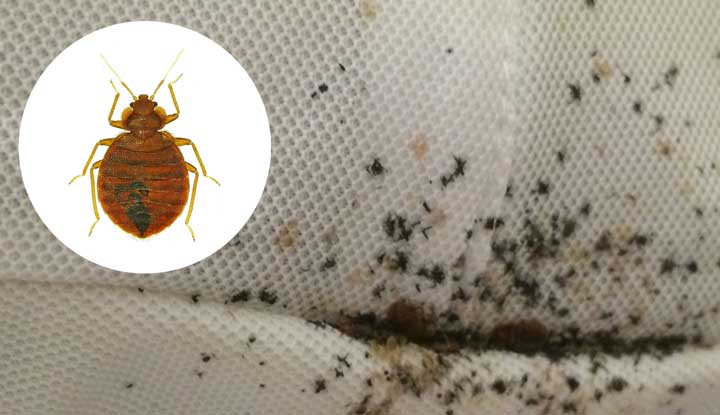
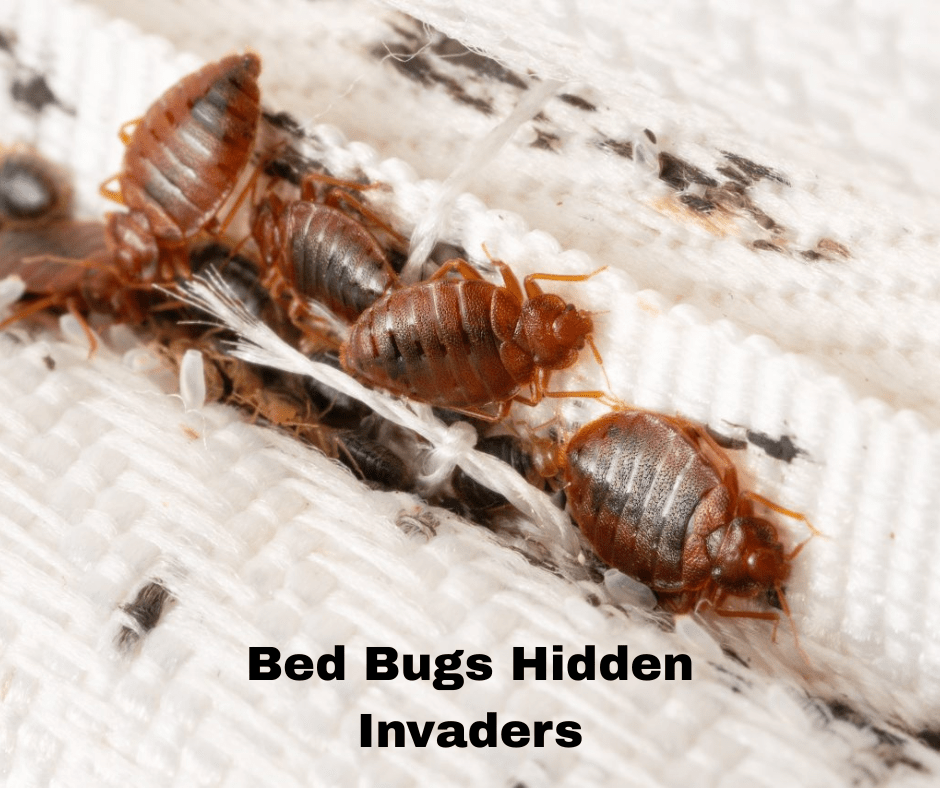
Bed bugs (Cimex lectularius) are small, reddish-brown, wingless insects that feed on human blood, typically at night. Measuring about 5mm (the size of an apple seed), they hide in mattresses, bed frames, furniture seams, and even walls, making them hard to detect. A single female can lay up to 500 eggs in her lifetime, leading to rapid infestations.
Bed bug bites cause red, itchy welts, and while they don’t transmit diseases, their presence can lead to stress, sleep deprivation, and social stigma. Infestations often start from travel, second-hand furniture, or neighboring units, making early detection and professional-grade strategies critical.
Step-by-Step Professional Protocol for Bed Bug Elimination
This protocol is designed to mirror the thorough approach used by professional exterminators while empowering homeowners with actionable steps. For severe infestations, we recommend consulting a licensed pest control professional, but these steps can help you manage and prevent bed bug issues effectively.
Step 1: Confirm the Infestation
Before taking action, confirm you’re dealing with bed bugs. Misidentifying pests can lead to ineffective treatments and wasted effort. Look for these signs:
- Live Bugs: Oval-shaped, reddish-brown insects about 1/4 inch long.
- Shed Skins: Yellowish exoskeletons left behind as nymphs grow.
- Fecal Spots: Small, dark (rusty or black) stains on mattresses, sheets, or furniture.
- Bites: Red, itchy welts, often in clusters or lines, typically on exposed skin.
Use a flashlight and magnifying glass to inspect mattresses, box springs, bed frames, headboards, and nearby furniture. If unsure, capture a specimen in a sealed jar and consult a pest control expert or entomologist for identification.
Step 2: Prepare Your Home for Treatment
Proper preparation is critical to successful bed bug elimination. Clutter and improper handling can spread bed bugs or reduce treatment effectiveness. Follow these preparation steps:
- Declutter: Remove unnecessary items like magazines, newspapers, and cardboard boxes, which provide hiding spots. Opt for clear plastic storage bins with smooth surfaces to make bed bugs visible.
- Isolate Infested Items: Place infested clothing, linens, and small items in sealed plastic bags. Do not move items to uninfested rooms to avoid spreading bugs.
- Launder Washables: Wash bedding, clothing, and curtains in hot water (at least 120°F) and dry on high heat for 20–45 minutes to kill bed bugs and eggs. Seal clean items in plastic bags to prevent re-infestation.
- Vacuum Thoroughly: Vacuum mattresses, furniture, baseboards, and carpets, focusing on seams, crevices, and folds. Use a stiff brush to dislodge eggs. Seal and dispose of the vacuum bag or clean the canister with hot soapy water immediately.
- Move Furniture: Pull beds and furniture at least 6 inches from walls to create an “island” and limit bed bug movement.
Step 3: Install Protective Barriers
Encasements and interceptors are professional tools that trap bed bugs and prevent them from accessing you or hiding in furniture.
- Bed Bug Interceptors: Place interceptors under bed and furniture legs to trap crawling bugs. These devices act as moats, preventing bed bugs from reaching the bed.
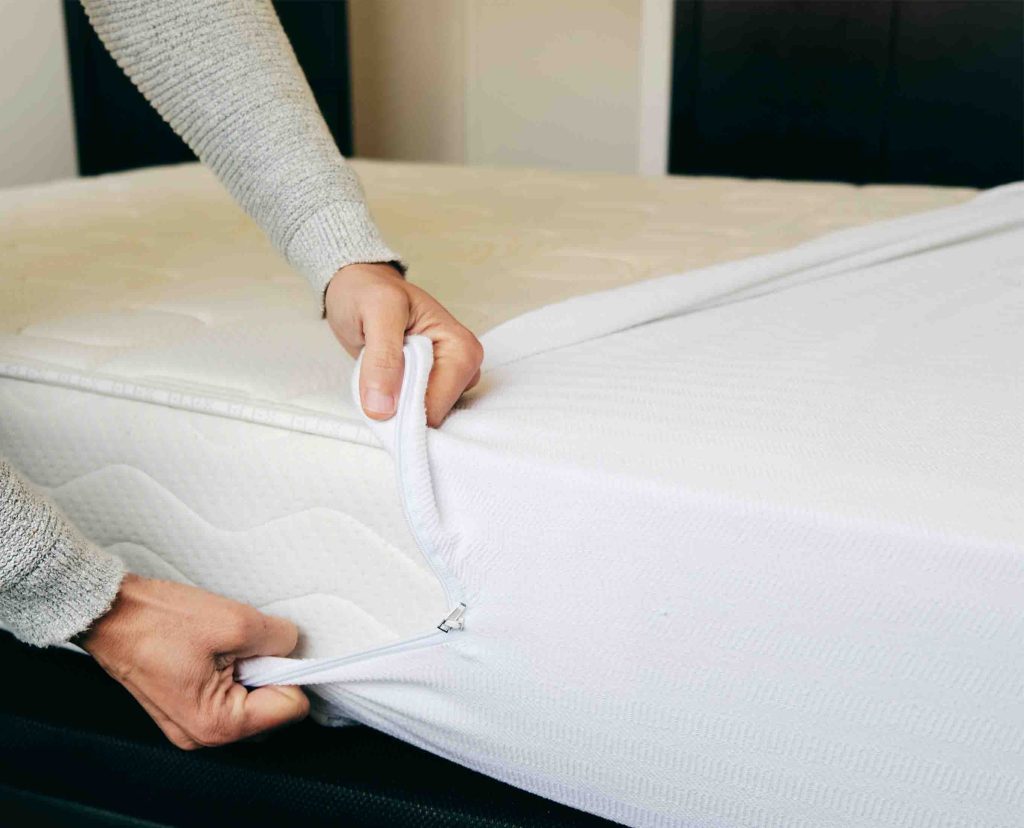
- Mattress and Box Spring Encasements: Use high-quality, bed bug-proofencasements to trap bugs inside and prevent new ones from entering. Vinyl encasements are affordable ($5–10), but ensure they’re durable to avoid tears.
Step 4: Apply Non-Chemical Treatments
Non-chemical methods are safe, effective, and often used by professionals as part of an IPM approach. These methods target all life stages of bed bugs.
- Heat Treatment: Bed bugs die at temperatures above 122°F (50°C). Use a steam cleaner (150–170°F) on mattresses, furniture, and crevices, ensuring thorough coverage. Alternatively, place small items in a dryer on high heat for 30 minutes. For whole-room heat treatment, professionals use specialized equipment to raise temperatures to 135–145°F for 6–8 hours.
- Vacuuming: Regular vacuuming reduces bed bug populations. Focus on hidden areas like furniture seams and baseboards, and dispose of vacuum contents immediately.
- Freezing: For non-washable items, seal them in plastic bags and place them in a freezer at 0°F (-18°C) for at least 4 days. This is less common but effective for small items.
Step 5: Use Chemical Treatments Cautiously
Chemical treatments can complement non-chemical methods but require caution due to bed bug resistance to common insecticides like pyrethroids.
- Targeted Insecticides: Use EPA-approved bed bug insecticides (e.g., those containing pyrethrins or neonicotinoids) and apply them to cracks, crevices, and other hiding spots. Follow the manufacturer’s instructions carefully and wear protective gear. Avoid foggers or bug bombs, as they are ineffective against hidden bed bugs and pose fire risks.
- Professional Application: For severe infestations, hire a professional to apply targeted pesticides. They have access to stronger formulations and can ensure safe, effective use.
Warning: Avoid using rubbing alcohol, kerosene, or gasoline, as these are dangerous and ineffective. Always prioritize safety and legality.
Step 6: Monitor and Follow Up
Bed bug elimination requires a commitment to monitoring and follow-up to ensure complete eradication.
- Active Monitors: Use bed bug monitors (e.g., traps with heat or CO2 lures) to detect remaining bugs. Place them near beds and furniture.
- Regular Inspections: Inspect treated areas weekly for 6 weeks. Look for live bugs, shed skins, or fecal spots. If no signs are found after 6 weeks, the infestation is likely eliminated.
- Maintain Vigilance: Continue vacuuming and checking for at least a year to confirm bed bugs are gone. Seal cracks and crevices with silicone caulk to eliminate hiding spots.
Step 7: Prevent Future Infestations
Prevention is key to keeping your home bed bug-free. Adopt these habits:
- Inspect Second-Hand Items: Thoroughly check used furniture, clothing, or luggage before bringing them home.
- Travel Precautions: After staying in hotels or public places, wash and dry clothes on high heat immediately. Inspect luggage with a flashlight.
- Seal Entry Points: Caulk cracks around baseboards, windows, and electrical outlets to reduce hiding spots.
- Regular Maintenance: Keep your home clutter-free and vacuum regularly to minimize potential harborage areas.
When to Call a Professional
While DIY methods can work for small infestations, professional exterminators are often necessary for severe or persistent cases. Professionals offer:
- Expert Inspections: Trained technicians locate hidden infestations in hard-to-reach areas like wall voids and electrical outlets.
- Advanced Treatments: Access to industrial-grade heat treatments, fumigation, or specialized insecticides.
- Guaranteed Results: Many companies, like Cooper Pest Solutions, offer no-prep services and guarantees to ensure complete elimination.
Professional treatments typically cost $500–$5,000, depending on the infestation’s severity and treatment method. Heat treatments, averaging $2,000–$4,000, are highly effective for large infestations. If DIY efforts fail, contact a licensed pest control company immediately to avoid prolonging the problem.
Common Mistakes to Avoid
- Spreading Bugs: Moving infested items to other rooms can worsen the infestation.
- Relying Solely on Chemicals: Pesticides alone are rarely effective due to resistance. Combine with heat and physical removal.
- Improper Preparation: Failing to declutter or launder items can reduce treatment effectiveness.
- Discarding Furniture Prematurely: Mattresses and furniture can often be saved with proper treatment. Consult a professional before throwing items away.
Conclusion
Eliminating bed bugs requires patience, diligence, and a strategic approach. By following this professional protocol—confirming the infestation, preparing your home, using non-chemical and chemical treatments, and monitoring consistently—you can reclaim your home from these persistent pests. For long-term success, adopt preventive measures and consider professional help for severe cases. At PestFreeLivingBlog.com, we’re committed to helping you achieve a pest-free home. Share your experiences or questions in the comments below, and check out our other pest control guides for more expert tips!
Sources:


 Pest Free Living
Leave a comment