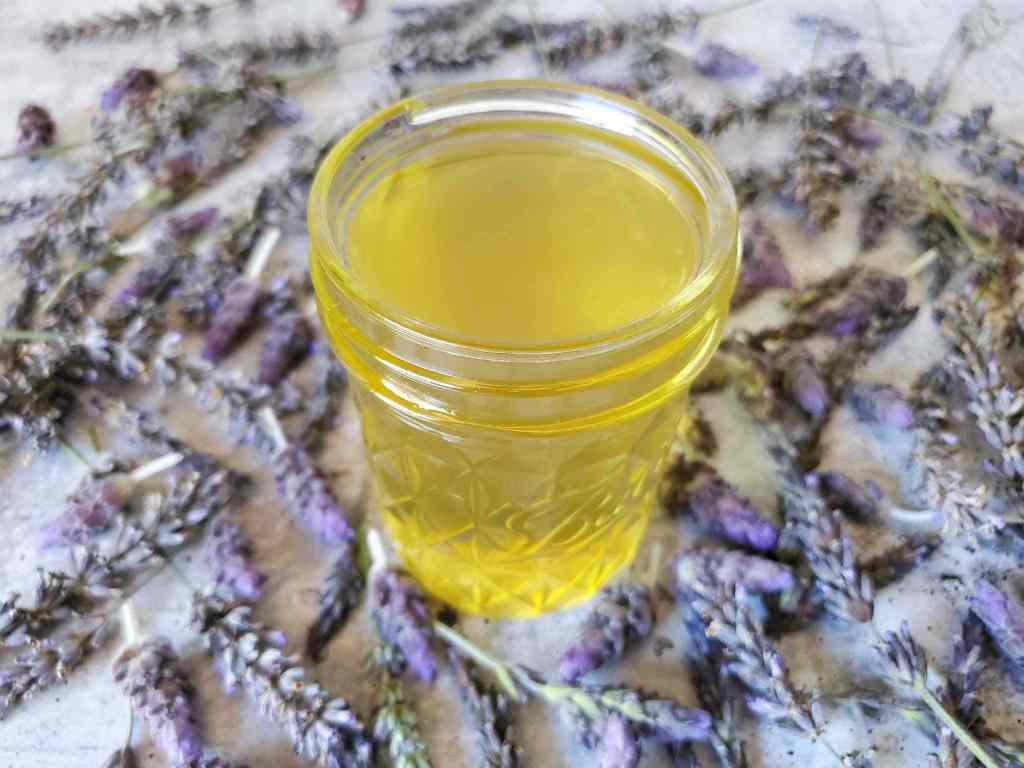
How to Make Lavender-Infused Oil: A Step-by-Step Guide for Pest Control and More
Lavender-infused oil is a versatile, natural solution that’s perfect for repelling mosquitoes, soothing skin, or adding a calming scent to your home. Whether you’re looking to create a DIY mosquito repellent or a fragrant oil for aromatherapy, making lavender-infused oil at home is simple, cost-effective, and eco-friendly. In this SEO-optimized guide, we’ll walk you through how to make lavender-infused oil using two easy methods, share tips for success, and explain why this herbal remedy is a must-have. Let’s get started with this fragrant, pest-repelling project!
Why Make Lavender-Infused Oil?
Lavender (Lavandula angustifolia) is more than just a beautiful herb—it’s a natural powerhouse for pest control and wellness. Its essential oils, rich in compounds like linalool and camphor, repel pests like mosquitoes, moths, and flies while offering a soothing scent for humans. Unlike store-bought repellents with harsh chemicals like DEET, lavender-infused oil is safe for your family, pets (when used properly), and the environment. Plus, it’s budget-friendly and customizable, making it a go-to for eco-conscious households.
Benefits of Lavender-Infused Oil
- Mosquito Repellent: Apply it to skin or use it in a spray to keep mosquitoes at bay during outdoor activities.
- Pest Control: Use it to deter household pests like moths and ants when sprayed or diffused.
- Skincare and Relaxation: Its calming properties make it great for massages or soothing irritated skin.
- Eco-Friendly: A sustainable alternative to chemical-based products, reducing your environmental footprint.
What You’ll Need to Make Lavender-Infused Oil
Before diving into the process, gather these supplies:
- Dried lavender flowers: 1–2 cups (fully dried to prevent mold)
- Carrier oil: 1–2 cups of jojoba, almond, olive, or grapeseed oil
- Clean, dry glass jar: With a tight-fitting lid (e.g., a mason jar)
- Cheesecloth or fine mesh strainer: For filtering the oil
- Dark glass bottle: For storing the finished oil to protect it from light
- Optional: A double boiler or slow cooker (for the heat infusion method)
How to Make Lavender-Infused Oil: Two Easy Methods
There are two main ways to make lavender-infused oil: the cold infusion method (slow but gentle) and the heat infusion method (faster but requires careful monitoring). Both produce high-quality oil perfect for pest control and other uses.
Method 1: Cold Infusion (Slow and Simple)
This method takes a few weeks but preserves the oil’s quality, making it ideal for beginners or those who prefer a hands-off approach.
- Prepare the Lavender: Use fully dried lavender flowers to avoid moisture, which can spoil the oil. If using fresh lavender, hang it upside down in a well-ventilated area for 1–2 weeks until completely dry.
- Fill the Jar: Place dried lavender flowers in a clean, dry glass jar, filling it about halfway. Pour your chosen carrier oil over the flowers until they’re fully submerged, leaving about ½ inch of space at the top.
- Seal and Steep: Secure the lid tightly and store the jar in a cool, dark place (like a cupboard) for 2–4 weeks. Shake gently every few days to mix the contents and enhance infusion.
- Strain the Oil: After steeping, strain the oil through a cheesecloth or fine mesh strainer into a clean, dark glass bottle. Squeeze the cheesecloth to extract all the oil, then discard the used lavender.
- Store Properly: Label the bottle with the date and store it in a cool, dark place. Your lavender-infused oil should last 6–12 months.
Method 2: Heat Infusion (Quick and Effective)
This method is faster, taking just a few hours, but requires careful attention to avoid overheating the oil.
- Prepare the Lavender: Ensure your lavender flowers are fully dried to prevent spoilage.
- Set Up a Double Boiler: Fill the bottom of a double boiler with water and heat on low. No double boiler? Use a heat-safe bowl over a pot of simmering water or a slow cooker on its lowest setting.
- Combine Lavender and Oil: Add dried lavender flowers to the top of the double boiler or slow cooker, then pour in enough carrier oil to cover them completely.
- Heat Gently: Warm the mixture at a low temperature (100–120°F or 38–49°C) for 2–4 hours, stirring occasionally. Avoid high heat to preserve the oil’s and lavender’s beneficial properties.
- Cool and Strain: Let the oil cool slightly, then strain it through a cheesecloth or fine mesh strainer into a dark glass bottle. Squeeze out remaining oil from the lavender and discard the flowers.
- Store Properly: Label and store the oil in a cool, dark place for 6–12 months of shelf life.
Tips for Making the Best Lavender-Infused Oil
To ensure your lavender-infused oil is potent and long-lasting, follow these expert tips:
- Use High-Quality Ingredients: Opt for organic dried lavender and a high-quality carrier oil (like jojoba or almond) for better results, especially for skin applications.
- Test for Skin Sensitivity: Before using on skin (e.g., as a mosquito repellent), apply a small amount to your inner arm and wait 24 hours to check for reactions.
- Add Vitamin E: Extend shelf life by adding a few drops of vitamin E oil as a natural preservative.
- Refresh Regularly: For pest control, reapply the oil or spray every few weeks to maintain its potency.
- Combine with Other Oils: Mix with citronella or eucalyptus oil for an even stronger mosquito-repellent blend.
How to Use Lavender-Infused Oil for Pest and Mosquito Control
Here’s how to put your lavender-infused oil to work to repel pest:
- Mosquito Repellent: Apply a thin layer to exposed skin before heading outdoors. Alternatively, mix 10–15 drops of the oil with 1 cup of water and a splash of witch hazel in a spray bottle for a portable repellent.
- Household Pest Control: Dab the oil on cotton balls and place them in areas prone to pests, like




 Pest Free Living
Leave a comment