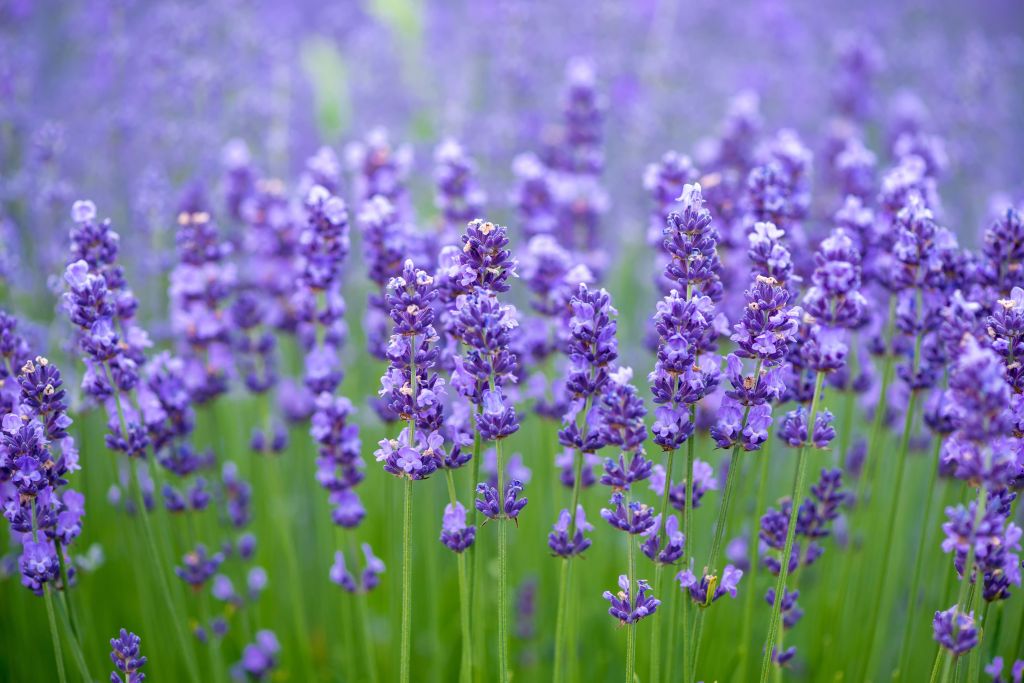
The Benefits of Lavender for Pest and Mosquito Control: A Natural Solution
If you’re tired of battling pests in your garden or swatting away mosquitoes during summer evenings, lavender might just be your new best friend. This fragrant, purple-hued herb isn’t just a pretty addition to your landscape—it’s a powerhouse for natural pest control and mosquito repellent. In this article, we’ll explore the many benefits of lavender for pest and mosquito control, why it works, and how you can use it effectively. Let’s dive into why lavender is a must-have for anyone seeking an eco-friendly, chemical-free way to keep pests at bay.
Why Choose Lavender for Pest Control?
Lavender (Lavandula angustifolia) is renowned for its calming scent and vibrant blooms, but its pest-repelling properties are what make it a standout in the gardening world. Unlike synthetic pesticides that can harm beneficial insects, pollute soil, or affect your health, lavender offers a natural, non-toxic alternative. Its essential oils contain compounds like linalool and camphor, which many pests find unbearable. By incorporating lavender into your garden or home, you can create a pest-resistant environment without compromising safety.
1. Repels a Wide Range of Pests
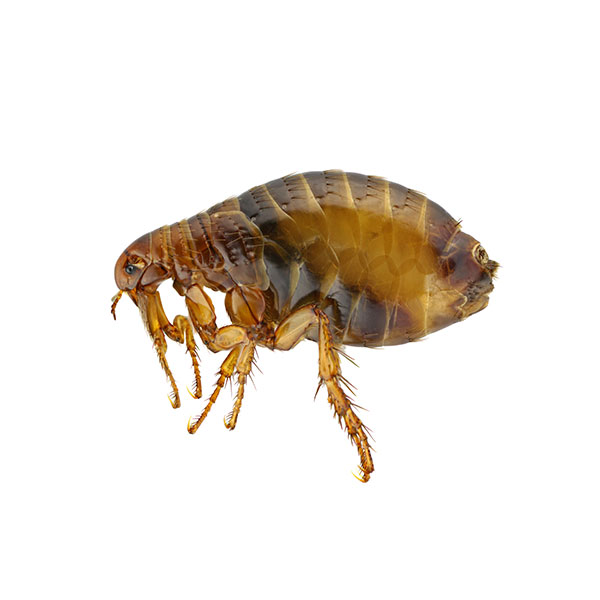
Lavender’s strong fragrance is a natural deterrent for a variety of common garden pests. Insects like moths, fleas, flies, and even some rodents avoid lavender due to its potent aroma. For gardeners, this is a game-changer. Planting lavender around vegetables or flowers can protect them from being devoured by pests like aphids or whiteflies. The herb acts as a natural barrier, reducing the need for chemical sprays that can harm pollinators like bees or butterflies.
For example, lavender is particularly effective against moths. If you’ve ever dealt with pantry moths or clothes moths, you know how frustrating they can be. Placing dried lavender sachets in your pantry or wardrobe can keep these pests at bay, protecting your food and fabrics without resorting to toxic mothballs.
2. A Natural Mosquito Repellent
Mosquitoes are more than just a nuisance—they can carry diseases like West Nile virus or Zika. Lavender’s scent, while pleasant to humans, is highly off-putting to mosquitoes. Studies have shown that lavender essential oil can reduce mosquito bites by creating an olfactory barrier that these insects avoid. This makes lavender an excellent choice for outdoor spaces where mosquitoes tend to gather, such as patios, decks, or near standing water.
Unlike commercial mosquito repellents that often contain DEET or other harsh chemicals, lavender-based solutions are safe for kids, pets, and the environment. You can use lavender in various forms—essential oils, candles, or even live plants—to keep mosquitoes at a distance during your backyard barbecues or evening strolls.
How Lavender Works as a Pest and Mosquito Repellent
The secret to lavender’s pest-repelling power lies in its essential oils. These oils contain compounds like linalool, linalyl acetate, and camphor, which interfere with insects’ sensory systems. Pests rely heavily on their sense of smell to locate food or breeding sites, and lavender’s strong fragrance disrupts their ability to navigate. Essentially, lavender creates an invisible shield that pests and mosquitoes don’t want to cross.
Additionally, lavender’s effects are long-lasting. When planted in your garden, it provides continuous protection throughout the growing season. Dried lavender or essential oils can extend this protection indoors, making it a versatile tool for year-round pest control.
Practical Ways to Use Lavender for Pest and Mosquito Control
Ready to harness lavender’s pest-repelling powers? Here are some practical, easy-to-implement ways to use lavender in your home and garden:
1. Plant Lavender in Your Garden
One of the simplest ways to use lavender for pest control is to plant it strategically. Line your garden beds with lavender to create a protective border around vulnerable plants like roses, tomatoes, or herbs. Lavender thrives in sunny, well-drained soil, making it a low-maintenance addition to most climates. Not only will it deter pests, but it will also attract pollinators like bees, creating a balanced ecosystem in your garden.
For mosquito control, place lavender plants near seating areas, windows, or doorways. The scent will help keep mosquitoes from entering your home or buzzing around your outdoor gatherings.
2. Make a Lavender Spray
A homemade lavender spray is a versatile tool for both pest and mosquito control. To make one, combine 10-15 drops of lavender essential oil with a cup of water in a spray bottle. Shake well and spritz it on surfaces, fabrics, or even your skin (test for sensitivity first). This spray works wonders for repelling mosquitoes during outdoor activities or keeping ants and flies away from kitchen counters.
3. Use Dried Lavender Sachets
Dried lavender is just as effective as fresh plants for indoor pest control. Fill small fabric bags with dried lavender buds and place them in closets, drawers, or pantry shelves to deter moths, silverfish, and other household pests. These sachets also double as air fresheners, giving your home a pleasant, calming scent.
4. Burn Lavender Candles or Incense
For outdoor mosquito control, lavender-scented candles or incense can create a relaxing, pest-free atmosphere. Look for products made with pure lavender essential oil rather than synthetic fragrances for maximum effectiveness. Light them during evening gatherings to keep mosquitoes at bay while adding a touch of ambiance.
5. Create a Lavender-Infused Oil
Lavender-infused oil can be applied to exposed skin as a natural mosquito repellent. To make it, steep dried lavender flowers in a carrier oil like almond or jojoba for a few weeks, then strain and store in a dark bottle. Apply it before heading outdoors for a chemical-free way to stay bite-free.
Additional Benefits of Using Lavender
Beyond pest and mosquito control, lavender offers a host of other benefits that make it a worthwhile investment:
- Eco-Friendly: Lavender is a sustainable, biodegradable alternative to chemical pesticides, reducing your environmental footprint.
- Aesthetic Appeal: Its vibrant purple flowers and silvery-green foliage add beauty to any garden or outdoor space.
- Stress Relief: Lavender’s soothing scent is known to promote relaxation, making it a dual-purpose plant for both pest control and wellness.
- Versatility: From culinary uses to aromatherapy, lavender can be used in countless ways around the home.
Tips for Maximizing Lavender’s Effectiveness
To get the most out of lavender for pest and mosquito control, keep these tips in mind:
- Choose the Right Variety: English lavender (Lavandula angustifolia) is particularly potent for pest control due to its high essential oil content.
- Maintain Your Plants: Regular pruning and proper care ensure lavender stays healthy and produces strong, pest-repelling oils.
- Combine with Other Plants: Pair lavender with other pest-repellent plants like rosemary, marigolds, or citronella for enhanced protection.
- Refresh Regularly: Replace dried lavender sachets or reapply sprays every few weeks to maintain their potency.
Potential Drawbacks and Considerations
While lavender is highly effective, it’s not a cure-all. Some pests, like certain beetles or caterpillars, may not be deterred by lavender alone. In these cases, combining lavender with other natural pest control methods, like neem oil or companion planting, can provide better results. Additionally, if you have pets, ensure they don’t ingest large amounts of lavender, as it can be toxic in high doses.
For mosquito control, lavender works best as part of a broader strategy. Eliminating standing water, using screens, and wearing protective clothing can complement lavender’s repellent effects.
Start Using Lavender Today!
Ready to say goodbye to pests and mosquitoes the natural way? Start incorporating lavender into your home and garden today! Visit your local nursery to pick up lavender plants or grab some high-quality lavender essential oil online. Try out the DIY spray or sachet ideas mentioned above, and share your results with friends and family. Want more eco-friendly gardening tips? Subscribe to our newsletter for the latest natural pest control ideas and sustainable living advice. Let lavender transform your space into a pest-free, fragrant oasis—start today!
Conclusion: Embrace Lavender for a Pest-Free Life
Lavender is more than just a fragrant herb—it’s a natural, effective solution for pest and mosquito control. Whether you’re planting it in your garden, crafting a DIY spray, or using dried sachets, lavender offers a safe, eco-friendly way to keep unwanted critters at bay. Its versatility, beauty, and calming properties make it a win-win for any home or garden.
So, why not give lavender a try? By incorporating this powerful plant into your pest control routine, you’ll enjoy a safer, more pleasant environment—minus the bugs. Start planting, spraying, or sachet-making today, and let lavender work its magic.



 Pest Free Living
Leave a comment