Summer evenings should be about enjoying the outdoors, not swatting away buzzing mosquitoes. If you’re tired of expensive chemical repellents that smell harsh and worry about what you’re putting on your skin, you’re not alone. The good news? You can create powerful, natural mosquito repellents at home using ingredients that actually work—backed by science, not just Pinterest promises.
This comprehensive guide reveals the most effective DIY mosquito repellent recipes, explains the science behind why they work, and gives you practical tips to stay bite-free all season long.
Why DIY Mosquito Repellents Are Worth Making
Commercial mosquito repellents often contain DEET, picaridin, or other synthetic chemicals that, while effective, come with concerns about skin irritation, environmental impact, and cost. DIY alternatives offer several advantages:
- Cost-effective: One batch costs pennies compared to store-bought sprays
- Natural ingredients: Know exactly what’s going on your skin
- Customizable: Adjust scents and strength to your preferences
- Environmentally friendly: Biodegradable ingredients that don’t harm ecosystems
- Family-safe: Gentler options for children and sensitive skin
Related Article: How to Make Lavender-Infused Oil: A Step-by-Step Guide for Pest Control and More
The Science: Why Mosquitoes Target You (And How to Stop Them)
Understanding what attracts mosquitoes is crucial for creating effective repellents. These bloodsuckers are drawn to:
- Carbon dioxide from your breath
- Body heat and warmth
- Lactic acid in sweat
- Specific scents like floral perfumes
- Bacteria on your skin
Female mosquitoes (the ones that bite) need blood to develop their eggs, making humans prime targets. Effective repellents work by either masking these attractants or emitting odors that mosquitoes find offensive, disrupting their ability to locate you.
Essential Oils That Actually Repel Mosquitoes (Research-Backed)
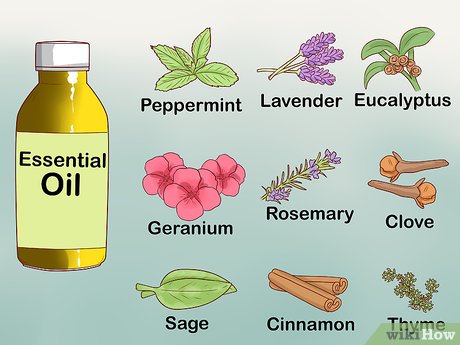
Not all essential oils are created equal when it comes to mosquito control. These scientifically-proven oils form the foundation of effective DIY repellents:
Top-Tier Repellents
- Lemon Eucalyptus Oil: Contains p-menthane-3,8-diol (PMD), as effective as DEET in studies
- Citronella Oil: Classic choice that masks human attractants
- Lavender Oil: Contains linalool, which disrupts mosquito sensory cues
Powerful Supporting Oils
- Peppermint Oil: Menthol is highly unpleasant to mosquitoes
- Tea Tree Oil: Antimicrobial properties with repellent effects
- Eucalyptus Oil: Confuses mosquitoes’ olfactory sensors
Carrier Oils and Bases
Essential oils need dilution for safe skin application. Use:
- Coconut oil (fractionated)
- Jojoba oil
- Sweet almond oil
- Witch hazel
- Vodka (for preservation)
Related Article: Natural Pest Control: 10 Eco-Friendly Ways to Eliminate Pests from Your Home and Garden
Recipe 1: Ultimate DIY Mosquito Repellent Spray
This versatile spray combines multiple effective oils for maximum protection.
Ingredients:
- 1/2 cup distilled water
- 1/4 cup witch hazel or vodka
- 30 drops lemon eucalyptus oil
- 20 drops citronella oil
- 15 drops lavender oil
- 10 drops peppermint oil
- 5 drops tea tree oil
- 8 oz dark glass spray bottle
Instructions:
- Combine liquids: Pour water and witch hazel into spray bottle
- Add essential oils: Carefully add oils in order listed
- Shake vigorously: Mix thoroughly before each use
- Test first: Apply small amount to wrist, wait 10 minutes
- Apply generously: Spray on exposed skin and clothing
- Reapply: Every 2-3 hours or after sweating/swimming
Why It Works:
Lemon eucalyptus oil’s PMD provides up to 6 hours of protection, while citronella and lavender create complementary scent barriers. The alcohol base helps emulsify oils and extends shelf life.
Recipe 2: Long-Lasting Mosquito Repellent Lotion
Perfect for humid conditions where sprays wear off quickly.
Ingredients:
- 1/4 cup shea butter
- 2 tablespoons coconut oil
- 1 tablespoon beeswax pellets
- 20 drops lemon eucalyptus oil
- 15 drops citronella oil
- 10 drops lavender oil
- 5 drops peppermint oil
Instructions:
- Melt base: Use double boiler to melt shea butter, coconut oil, and beeswax
- Cool slightly: Remove from heat, let cool but not solidify
- Add oils: Stir in essential oils thoroughly
- Pour and set: Transfer to clean jar, cool until solid
- Apply: Rub small amount on exposed skin
Benefits:
- Water-resistant formula
- 4+ hours of protection
- Nourishes skin while repelling insects
- Great for children and sensitive skin
Recipe 3: Mosquito Repellent Balm (Kid-Friendly)
Gentle formula perfect for children’s delicate skin.
Ingredients:
- 1/4 cup beeswax pellets
- 1/4 cup coconut oil
- 2 tablespoons shea butter
- 10 drops citronella oil
- 10 drops lavender oil
- 5 drops eucalyptus oil
Instructions:
- Melt ingredients: Combine beeswax, coconut oil, and shea butter in double boiler
- Add oils: Remove from heat, stir in essential oils
- Pour into tins: Use small containers for easy application
- Apply: Rub on wrists, ankles, and neck before outdoor time
Recipe 4: Powerful Mosquito Repellent Candle
Create a mosquito-free zone for outdoor gatherings.
Ingredients:
- 1 pound soy wax
- 1 candle wick with metal base
- 40 drops citronella oil
- 20 drops lemon eucalyptus oil
- 10 drops lavender oil
- Heat-safe glass container
Instructions:
- Prepare container: Secure wick in center with melted wax
- Melt wax: Heat soy wax to 130°F in double boiler
- Add oils: Stir in essential oils thoroughly
- Pour and set: Fill container, keep wick centered
- Cure: Let harden 4-6 hours before use
Recipe 5: Garlic-Infused Mosquito Spray
Surprisingly effective natural repellent using garlic’s allicin compounds.
Ingredients:
- 4 cloves fresh garlic
- 1 cup water
- 1 teaspoon liquid soap
- Spray bottle
Instructions:
- Blend garlic: Crush garlic cloves, steep in water overnight
- Strain: Remove garlic pieces, add liquid soap
- Spray: Apply to skin and clothing (avoid face)
- Reapply: Every 2 hours for best results
Advanced Tips for Maximum Effectiveness
Application Strategies
- Pre-emptive application: Apply before mosquitoes appear
- Layer protection: Use multiple methods simultaneously
- Reapply regularly: Natural repellents need frequent renewal
- Cover clothing: Mosquitoes bite through thin fabrics
Environmental Controls
- Eliminate standing water: Remove breeding sites around your home
- Use fans: Mosquitoes are weak fliers
- Trim vegetation: Reduce resting spots near living areas
- Strategic timing: Avoid peak mosquito hours (dawn/dusk)
Storage and Shelf Life
- Cool, dark storage: Preserves essential oil potency
- Glass containers: Prevent plastic degradation
- Label clearly: Include ingredients and dates
- Shelf life: Sprays with alcohol last 12 months, lotions 6 months
Boosting Natural Protection
Dietary Approaches
- Vitamin B1: May make skin less attractive to mosquitoes
- Garlic consumption: Creates sulfur compounds mosquitoes avoid
- Avoid beer: Alcohol consumption increases mosquito attraction
Clothing Choices
- Light colors: Less attractive to mosquitoes
- Loose, long sleeves: Physical barrier protection
- Synthetic fabrics: Often more effective than cotton
- Permethrin treatment: Long-lasting fabric protection
Safety Considerations and Precautions
Skin Sensitivity
- Always patch test: Apply small amount first
- Dilute properly: Never use undiluted essential oils
- Avoid sensitive areas: Keep away from eyes, mouth, cuts
- Watch for reactions: Discontinue if irritation occurs
Special Populations
- Pregnant women: Consult healthcare provider first
- Children under 3: Use milder formulations
- Pets: Many essential oils are toxic to cats and dogs
- Allergies: Check all ingredients for known sensitivities
Real-World Effectiveness: What to Expect
DIY mosquito repellents can be highly effective when made and used correctly. However, set realistic expectations:
Success Factors
- Mosquito population: Lower in some areas than others
- Individual attraction: Some people naturally attract more mosquitoes
- Application frequency: Consistent reapplication is key
- Environmental conditions: Humidity and temperature affect longevity
When to Consider Alternatives
- High-risk disease areas: DEET may be necessary
- Extreme infestations: Professional treatment might be needed
- Sensitive skin reactions: Commercial alternatives may be better
- Extended outdoor exposure: Combine with physical barriers
Troubleshooting Common Issues
“My repellent isn’t working!”
- Increase essential oil concentration (within safe limits)
- Ensure oils are fresh and high-quality
- Apply more frequently
- Combine with other protection methods
“The scent is too strong”
- Reduce essential oil amounts
- Add more carrier oil or base
- Try different oil combinations
- Allow time to adjust to natural scents
“It’s not lasting long enough”
- Add more carrier oil for slower evaporation
- Use lotion formula instead of spray
- Reapply every 2 hours regardless
- Consider clothing application
The Bottom Line: DIY Success
Creating effective DIY mosquito repellents isn’t just possible—it’s practical, affordable, and often more pleasant than commercial alternatives. The key is using scientifically-backed ingredients in proper proportions and applying them consistently.
Start with the ultimate spray recipe, then experiment with other formulations to find what works best for your needs. Remember that natural repellents require more frequent application than chemical ones, but the peace of mind and cost savings make the effort worthwhile.
With these recipes and strategies, you can reclaim your outdoor time and enjoy summer evenings without the buzz, bites, and chemical concerns. Nature provides powerful protection—you just need to know how to harness it effectively.
Ready to get started? Choose one recipe that appeals to you, gather your ingredients, and prepare to be amazed at how well homemade mosquito repellent can work. Your skin, wallet, and the environment will thank you.
Related Article: The Tiny Killer: Why Mosquitoes Are One of the Biggest Public Health Threats



 Pest Free Living
Leave a comment