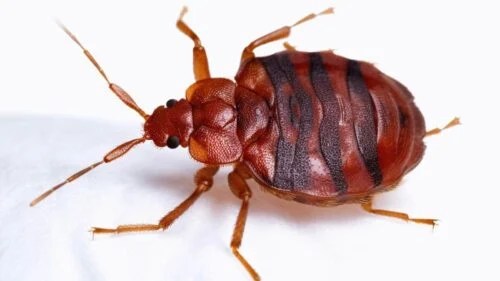
Think bed bugs only live in dirty motels? Think again. These resilient pests can hitchhike from luxury hotels, office buildings, movie theaters, and even your child’s daycare center straight into your home. In this comprehensive guide, we’ll reveal the 11 most common places bed bugs hide and give you expert-backed prevention strategies to keep your family safe.
What Are Bed Bugs and Why Should You Care?
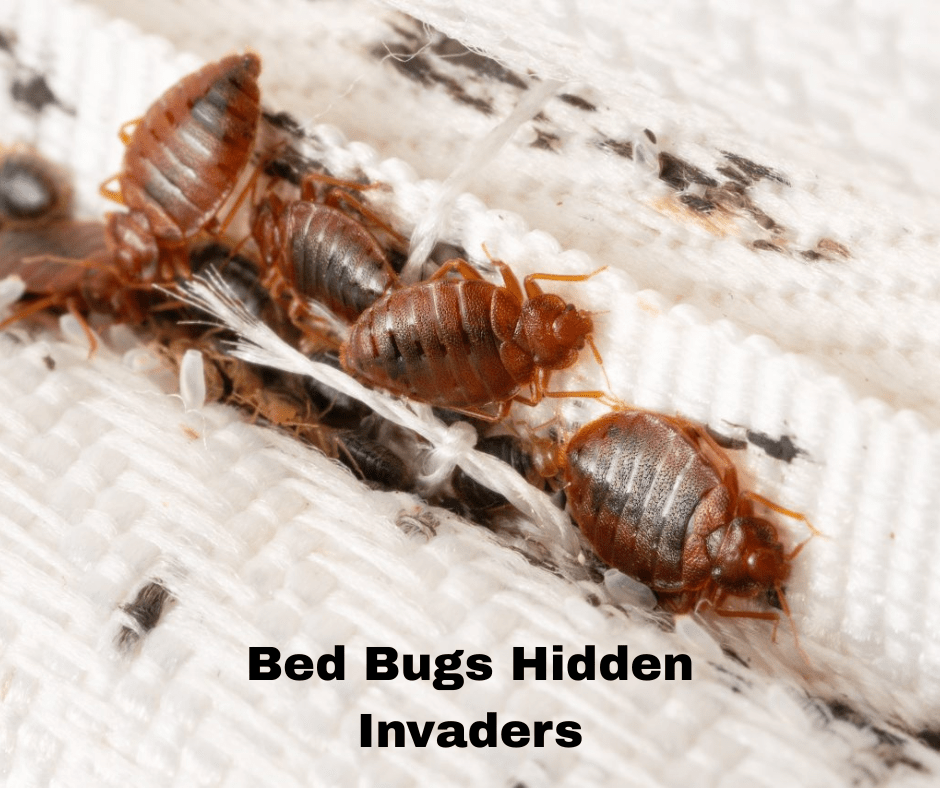
Bed bugs are small, reddish-brown insects that feed exclusively on human blood. A single female bed bug can lay up to 500 eggs in her lifetime, making infestations spread rapidly. Professional bed bug extermination costs between $1,000-$5,000 per home, making prevention your best defense.
Common bed bug infestation signs include:
- Small, itchy red bites in clusters or lines
- Rust-colored stains on sheets
- Sweet, musty odor in bedrooms
- Dark spots on mattresses (bed bug excrement)
- Molted skins near sleeping areas
11 Common Places Where Bed Bugs Hide (And How to Avoid Them)
1. Hotels and Motels (Even 5-Star Properties)
Why bed bugs love hotels: High guest turnover and constant luggage movement create perfect spreading conditions.
Where they hide:
- Mattress seams and box springs
- Behind headboards
- Upholstered chairs and curtains
- Nightstand drawers
Prevention tips:
- Inspect your room before unpacking
- Use a flashlight to check mattress corners
- Keep luggage in the bathroom while inspecting
- Store clothes in sealed plastic bags
2. Airbnb and Vacation Rentals
The risk: Short-term rentals often lack professional pest inspections between guests.
Prevention strategy:
- Read recent reviews for bed bug complaints
- Check all sleeping areas upon arrival
- Pack EPA-registered bed bug spray
- Inspect furniture cushions and crevices
3. Public Transportation (Planes, Trains, Buses)
Hidden hotspots:
- Fabric seat cushions
- Seatback pockets
- Overhead compartments
- Under carpeting
How to stay safe:
- Avoid placing bags on floors
- Inspect seats before sitting
- Wash travel clothes in hot water (120°F+)
4. Ride Shares and Taxis
The problem: Drivers may unknowingly transport bed bugs between passengers.
Inspection points:
- Cloth seats and seams
- Floor mats
- Upholstery cracks
Protection measures:
- Keep personal items on your lap
- Avoid vehicles with fabric damage
- Be cautious of musty odors
5. Office Buildings and Waiting Rooms
Common hiding spots:
- Office chairs and cubicle partitions
- Under desks and carpet edges
- File cabinets and storage areas
Workplace bed bug prevention:
- Store coats in sealed containers
- Avoid placing bags on upholstered furniture
- Vacuum work bags regularly
- Wash office clothes frequently
6. Movie Theaters and Entertainment Venues
Why theaters attract bed bugs: Dark, warm environments with stationary humans for hours.
Prime locations:
- Seat seams and cupholders
- Under armrests
- Padded headrests
Theater safety tips:
- Wear light-colored clothing
- Avoid bringing blankets
- Do a quick seat inspection
7. Nursing Homes and Hospitals
High-risk areas:
- Hospital beds and wheelchairs
- Curtains and linens
- Medical equipment
Visitor precautions:
- Don’t place bags on beds
- Check yourself after visits
- Use protective covers when staying overnight
8. Thrift Stores and Second-Hand Furniture
Cost of mistakes: A $50 used couch could lead to thousands in extermination costs.
Danger zones:
- Furniture cracks and joints
- Inside electronics
- Used clothing and bedding
Smart shopping practices:
- Inspect all upholstered furniture thoroughly
- Wash second-hand clothes immediately
- Use bed bug heaters for large items
9. Gyms and Locker Rooms
Transmission points:
- Gym bags
- Lockers
- Upholstered benches
Gym safety protocol:
- Use sealed gym bags
- Store bags away from bedroom
- Wash gym clothes on high heat immediately
10. Friends’ and Family Homes
Spread mechanisms:
- Guest beds and couches
- Luggage from other visitors
- Pet bedding
Social visit precautions:
- Discreetly inspect sleeping areas
- Keep bags off beds and couches
- Check rooms after hosting guests
11. Daycares and Childcare Centers
Why daycares are vulnerable: Warm environments with soft toys, blankets, and closely stored belongings.
Common hiding spots:
- Nap mats and blankets
- Stuffed animals
- Diaper bags and backpacks
- Carpeted play areas
Parent prevention strategies:
- Inspect child’s backpack daily
- Wash daycare items weekly in hot water
- Store daycare gear in sealed bags
- Alert staff to home infestations
How to Detect Bed Bugs Early
Physical signs:
- Small, itchy bites in lines or clusters
- Rust-colored stains on sheets
- Sweet, musty bedroom odor
- Dark spots on mattresses
- Molted skins in crevices
Professional inspection: If you suspect bed bugs, contact a licensed pest control professional immediately. Early detection can save thousands in treatment costs.
Post-Travel Bed Bug Prevention Protocol
Immediate actions:
- Unpack luggage outside or in garage
- Wash all clothes in hot water (120°F minimum)
- Dry on high heat for 30+ minutes
- Vacuum and steam luggage thoroughly
- Inspect all items before bringing inside
Frequently Asked Questions
Q: Can bed bugs survive in cold weather? A: Yes, bed bugs can survive temperatures as low as 46°F for extended periods.
Q: How long can bed bugs live without feeding? A: Adult bed bugs can survive 5-6 months without a blood meal.
Q: Do bed bugs carry diseases? A: While bed bugs don’t transmit diseases, their bites can cause allergic reactions and secondary infections from scratching.
Q: How much does professional bed bug treatment cost? A: Professional extermination typically costs $1,000-$5,000 depending on infestation severity and home size.
Don’t Let Bed Bugs Take Over Your Home
Bed bugs are master hitchhikers, but with proper knowledge and prevention strategies, you can protect your family from these costly pests. Remember: prevention is always cheaper than treatment.
Take action today:
- Bookmark this guide for future travel
- Share these tips with family and friends
- Inspect your home monthly for early signs
Need Professional Help?
If you suspect bed bugs in your home, don’t wait. Contact a licensed pest control professional immediately for inspection and treatment. Early intervention is key to preventing costly infestations.
Ready to protect your home? Download our free bed bug prevention checklist and get expert tips delivered to your inbox.




 Pest Free Living
Leave a comment