Protecting Pantry Goods: How to Keep Your Food Safe from Pantry Pests
Imagine opening your pantry to grab a snack, only to be greeted by tiny pests scurrying amongst your favorite foods. The sight can turn a simple craving into an unsettling gut wrenching experience. Pantry pests are more common than you might think, and they thrive in the very spaces we store our cherished ingredients. Whether it’s that bag of flour or those tempting nuts, these uninvited guests can wreak havoc on your food supply.
Understanding how to protect your pantry goods from these nuisances is essential for any home cook or food enthusiast. From identifying common culprits like Indian meal moths and flour beetles in pantry cupboards to implementing effective prevention strategies, keeping your kitchen pest-free doesn’t have to be a daunting task.
Let’s delve into the world of pantry pest prevention and discover practical solutions that will help safeguard your food supplies while ensuring peace of mind in the heart of your home.
Common Pantry Pests to Watch For
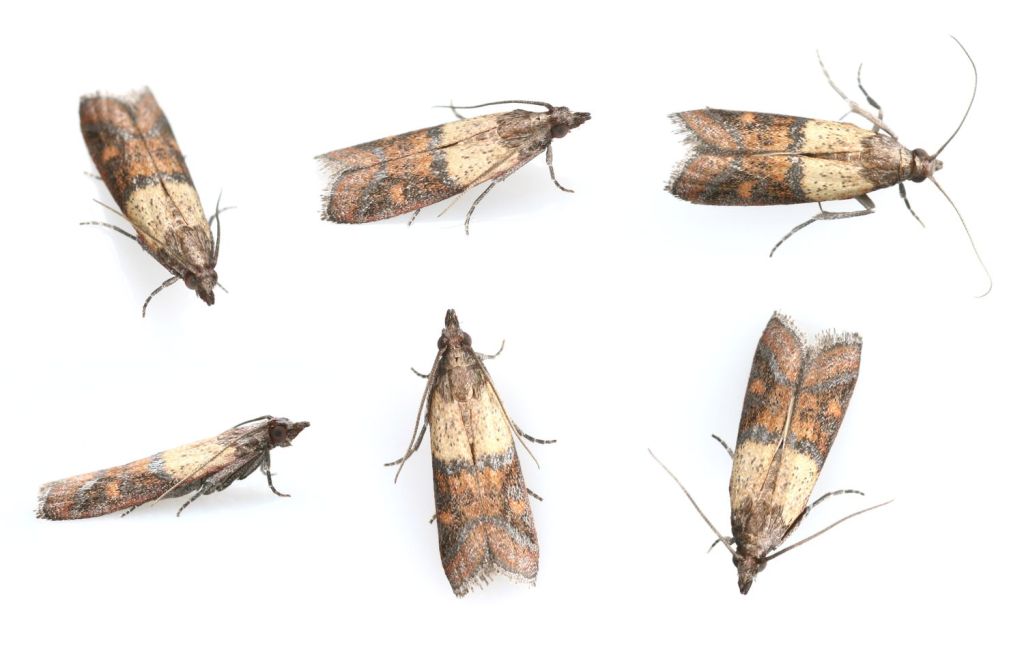
Pantry pests come in various forms, each capable of causing chaos among your food items. One of the most notorious is the Indian meal moth. These small moths are often found flying around pantries and can lay eggs in stored grains.
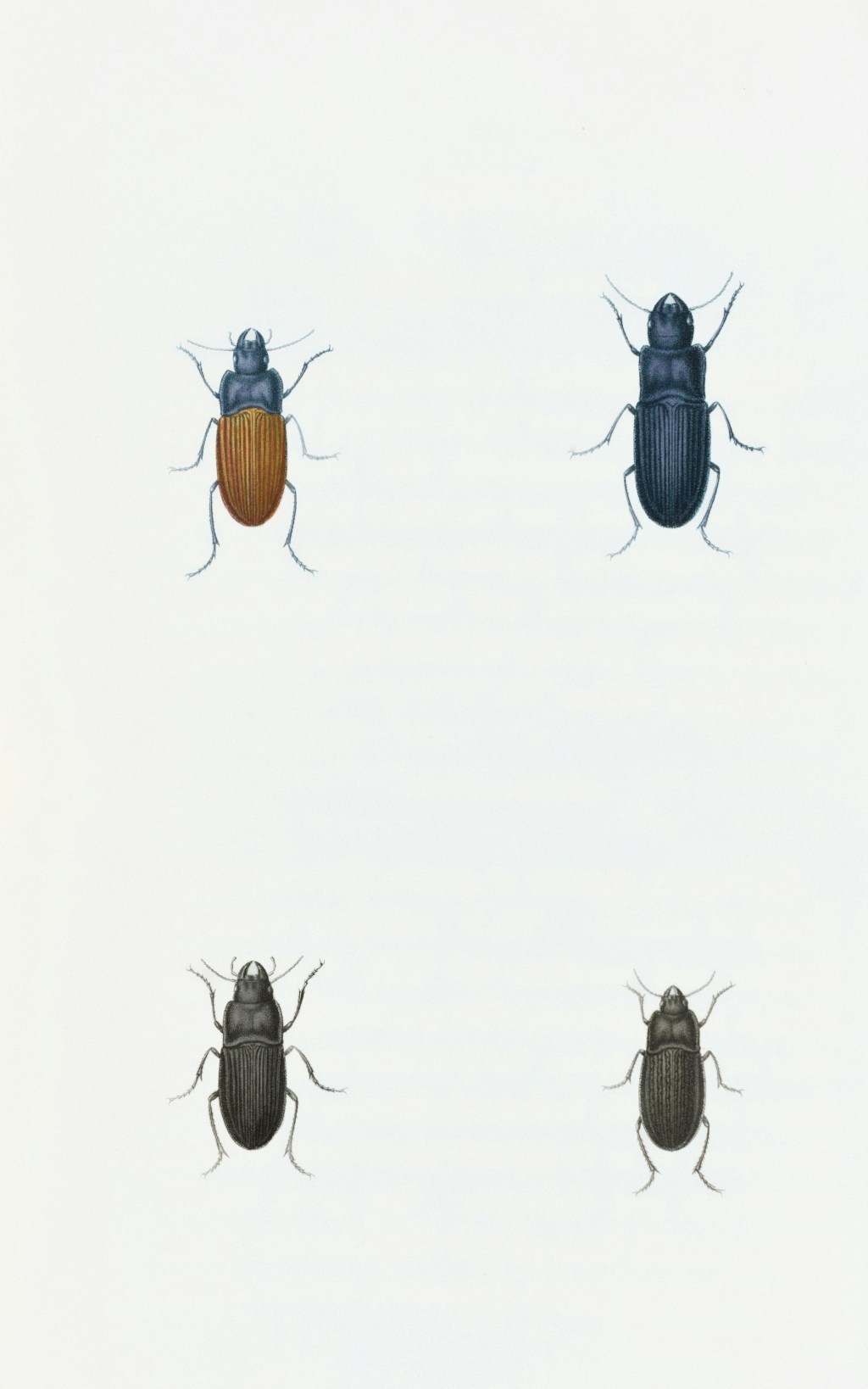
Another common offender is the flour beetle. This tiny insect loves to feast on flour, cereals, and spices, making it a frequent uninvited guest in many households.
Then there’s the sawtoothed grain beetle. Its slim body allows it to slip through tight spaces and invade packaged foods.
Don’t overlook weevils, which may appear as little brown bugs nestled within rice or dried beans.
Identifying these pantry pests early on helps you take swift action before they turn your cooking staples into their buffet.
How Pantry Pests Get In
Pantry pests are sneaky little intruders that often make their way into your home without notice. They can enter through a variety of channels, making them difficult to detect until it’s too late.
One common entry point is packaging. Many pantry pests hitch a ride in boxes or bags of grains, flour, and dried fruits purchased from the store. It’s not unusual for these critters to be lurking inside before you even bring them home.
They can also come indoors via cracks and crevices in walls or windows. A small gap is all they need to slip through and start their search for food.
Additionally, pets may unknowingly transport eggs on their fur or paws after spending time outside. Keeping an eye out for these pathways can help you stay one step ahead in your pantry pest prevention efforts.
Signs of a Pantry Infestation
Spotting a pantry infestation early is crucial for effective pest control. Pay attention to any unusual sightings, such as tiny moths fluttering around your kitchen or pantry. These might be Indian meal moths, one of the most common culprits.
Check packaged food items for webbing or clumping. This could indicate that flour beetles have infested your goods.
Early detection is key. Here’s what to look for:
- Webbing: Especially in flour and grains.
- Sawdust-like residue: From larvae chewing through packaging.
- Live or dead insects: Inside containers, or crawling nearby.
- Discoloration or odor: Food may look off or smell musty.
- Larvae or pupae: On ceilings, pantry corners, or inside packaging.
Another red flag includes finding small holes in food packaging or even seeing larvae wriggling within containers. If you notice these signs, it’s time to take action.
You may also find insect droppings resembling small black specks among your stored items. This debris can signal an active infestation lurking nearby.
If you begin to smell musty odors emanating from closed containers, it’s worth investigating further before the situation escalates into a more significant problem.
🪲 Common Types of Pantry Pests
Understanding which pests you’re dealing with is step one in effective pantry protection. Here are the most frequent culprits:
1. Indian Meal Moth (Plodia interpunctella)
- Appearance: ½ inch long with reddish-brown wings and a tan band.
- Signs: Webbing in food, larvae crawling on ceilings or inside containers.
- Favorite foods: Cereal, flour, grains, nuts, dried fruit.
2. Confused Flour Beetle (Tribolium confusum)
- Appearance: Small, reddish-brown beetle, about 3–4 mm long.
- Signs: Presence in flour, strong musty odor.
- Favorite foods: Flour, cereal, cake mixes, and pasta.
3. Drugstore Beetle (Stegobium paniceum)
- Appearance: Light brown, oval beetle with fine hairs and grooved wings.
- Signs: Exit holes in packaging, crawling beetles.
- Favorite foods: Spices, grains, dried herbs, pet food.
4. Weevils (Various types, like Rice and Granary Weevils)
Favorite foods: Rice, cornmeal, oats, pasta.
Appearance: Dark-colored beetles with a snout-like nose.
Signs: Larvae inside kernels; adults in or near grains.
🍞 Foods Most Vulnerable to Pantry Pests
Knowing which foods to watch is crucial. Here’s a list of high-risk pantry staples:
| Food Item | Risk Level | Storage Tips |
|---|---|---|
| Flour | High | Freeze for 72 hrs before storing |
| Rice & Grains | High | Airtight containers, rotate often |
| Cereals | High | Airtight container or reseal bag tightly |
| Dried Fruit | Medium | Store in fridge or freezer |
| Nuts & Seeds | Medium | Store in fridge if not used quickly |
| Spices | Low–Medium | Keep dry and sealed |
Step-by-Step Guide to Getting Rid of Pantry Pests
Start by emptying your pantry completely. This lets you see all items and spot any signs of infestation.
Next, inspect each product closely. Look for webbing or tiny bugs, especially in grains and flour. Discard anything that shows signs of life.
Once cleared out, clean every shelf with warm soapy water. Pay attention to corners where eggs might hide.
Now it’s time to vacuum the pantry thoroughly. Use a crevice tool to reach into tight spaces where pests love to lurk. After vacuuming remember to remove the vacuum and bag from the house. Clean the vacuum outside extremely well. Discard of all debris and bags into a air tight garbage container.
After cleaning, consider using natural repellents like essential oils such as peppermint or cedarwood. They can deter future visitors effectively.
Replace food in airtight containers made from glass or strong plastic. This is crucial for long-term pest prevention and will keep your food safe from unwanted guests.
Safe and Effective Food Storage Tips
To keep your pantry free from pests, proper food storage plays a crucial role. First, always use airtight containers for grains, flour, and other dry goods. This not only keeps the food fresh but also prevents insects like flour beetles in the pantry from getting access.
For items that come in bags or boxes, consider transferring them to glass or plastic jars with tight-sealing lids. Label each container clearly so you can easily find what you need without opening multiple packages.
Regularly check your pantry for expired items and discard anything that’s no longer good. Keeping a clean space is vital; crumbs and spills attract unwanted guests. Wipe down shelves frequently and ensure everything is organized.
Using natural pantry pest repellents can add an extra layer of protection. Herbs like bay leaves or essential oils such as peppermint can deter pests when placed strategically around your stored foods.
Maintain a cool and dry environment in your pantry. High humidity levels encourage pest activity; keeping things dry will help reduce the likelihood of infestations.
By implementing these safe and effective food storage tips, you’ll create an unwelcoming atmosphere for pesky invaders while ensuring your food stays fresh and safe.
❌ What NOT to Do
Avoid these common mistakes:
- Spraying insecticides in food storage areas: Dangerous and often ineffective.
- Ignoring one or two pests: Where there’s one, there are more.
- Leaving flour and grains in their original bags: Easy for pests to penetrate.
- Skipping regular pantry checks: Infestations can escalate quickly.
🧂 Best Pantry Storage Practices
The most effective way to protect your pantry is prevention. These simple steps will help you keep pests out long-term:
✅ Use Airtight Containers
- Transfer flour, rice, cereal, and other dry goods to glass or BPA-free plastic containers with tight-fitting lids.
- Don’t store items in their original packaging—many pests chew through paper and plastic.
✅ Label and Rotate
- Label containers with purchase dates.
- Follow the “first in, first out” rule—use older items before newer ones.
✅ Buy in Reasonable Quantities
- Don’t buy in bulk unless you’ll use it quickly or have safe long-term storage (like freezer space).
✅ Store Pet Food and Bird Seed Properly
- Keep in airtight containers in the garage or sealed bins with locking lids.
✅ Avoid Reusing Old Containers Without Cleaning
- Residual crumbs and dust can attract pests.
🏁 Final Thoughts: A Little Effort Goes a Long Way
Pantry pests are annoying, but they’re not invincible. A few strategic changes in how you store and monitor your food can make a huge difference. By staying proactive and organized, you’ll not only protect your dry goods—you’ll keep your kitchen clean, efficient, and stress-free.
And if you do spot signs of an infestation, don’t panic. You’re now equipped with the knowledge to remove pests safely and prevent their return.




 Pest Free Living
Leave a comment