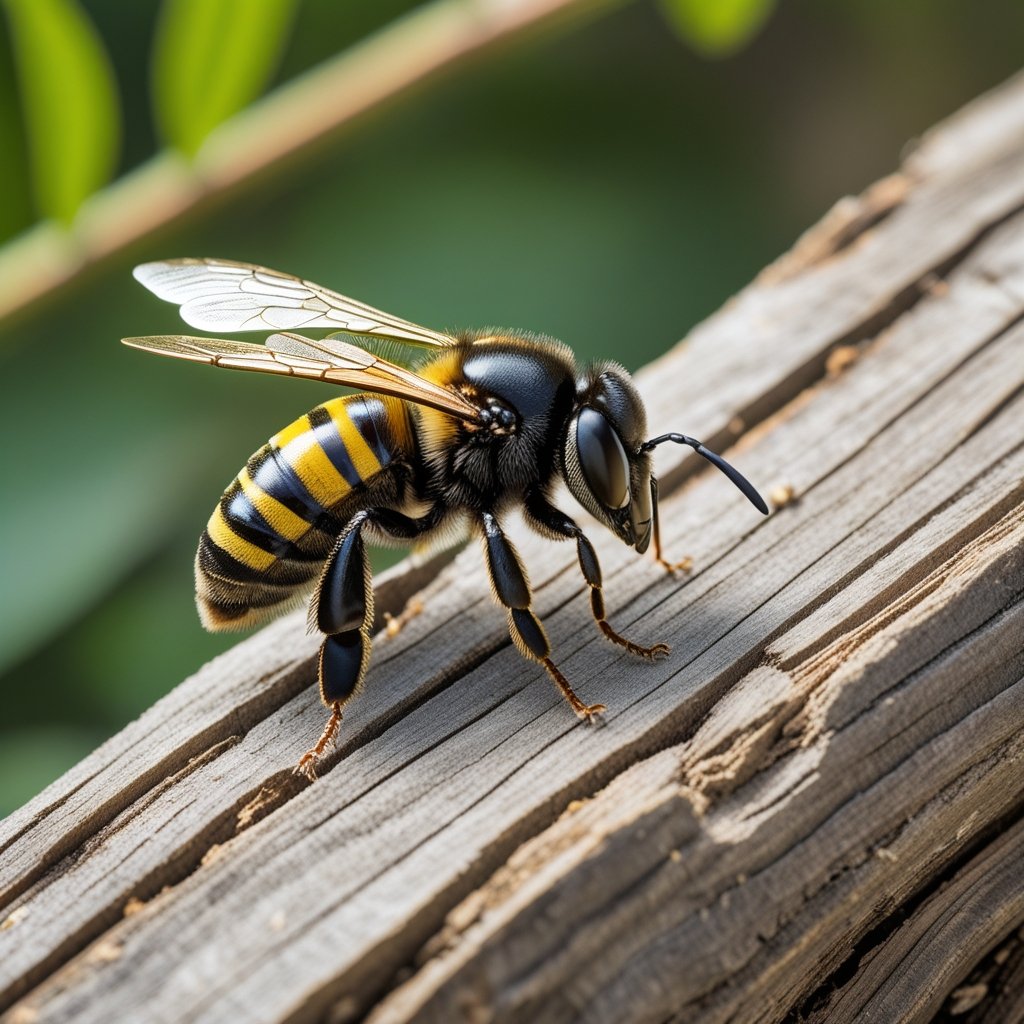
Carpenter bees are often mistaken for bumblebees due to their similar size and coloring, but they have smooth, shiny abdomens that distinguish them. They create round tunnels in untreated wood, which can cause structural damage over time. Recognizing the signs of a carpenter bee infestation, such as drilled holes and sawdust piles, is key to addressing the problem early.
These bees rarely sting unless provoked, making them less aggressive than other bees. Natural deterrents like citrus sprays, almond oil, and vibrations can effectively keep them away without harmful chemicals. Sealing existing tunnels and painting or staining wood are proven prevention methods that reduce the chance of further damage.
Proper identification, combined with targeted removal and prevention strategies, helps protect wooden structures from carpenter bee damage. Understanding their behavior and differences from similar pollinators ensures the right approach is taken to manage and deter these insects safely and effectively.
🐝 Carpenter Bee Identification
Carpenter bees are large insects known for their wood-boring behavior. They have distinct physical traits and behaviors that differentiate them from other bees, especially bumblebees. Their life cycle and nesting habits also provide clues for identification.
🔍 Physical Characteristics
Carpenter bees typically measure about 1/2 to 1 inch in length. They have robust bodies covered in yellow, orange, or black hairs, and a shiny, hairless black abdomen. Males often have a white spot on their heads, while females do not. Their wings may have a dark tint or a metallic sheen.
Life Cycle and Behavior
Carpenter bees are solitary insects. Females bore circular tunnels into wood to lay their eggs and provide food stores. Though they tunnel into wood, they do not consume it. Males, while aggressive in flight, do not sting. Females can sting but rarely do unless directly provoked.
🐝 Differences from Bumblebees
| Feature | Carpenter Bee | Bumblebee |
|---|---|---|
| Abdomen Hair | Bare and shiny black | Furry with yellow markings |
| Nesting Habitat | Wood tunnels | Ground or vegetation |
| Social Structure | Solitary | Colonial |
| Male Marking | White spot on head | No distinctive head spot |
🏠 Signs of Carpenter Bee Infestation
Identifying carpenter bee activity early can prevent serious damage.
Visual Indicators
Look for perfectly round holes about 1/2 inch in diameter on exposed wood. These are entrance holes to tunnels. Nearby, you may see rough wood or discoloration.
Noise and Activity
You may hear buzzing near wooden surfaces during spring and early summer. Males hover protectively, and females return frequently to nesting sites.
Frass Accumulation
Frass is a sawdust-like material created by boring bees. It accumulates below or near entry holes and often contains both chewed wood and droppings.
Carpenter Bee Tunnel Damage
Structural Impact
Carpenter bee tunnels compromise the strength of wood. Over time, repeated boring can lead to cracks, splintering, and even wood rot. Damage is most common in softwoods like pine, cedar, and redwood.
Common Tunnel Locations
- Eaves and soffits
- Window and door frames
- Deck railings and boards
- Porch columns
Long-Term Consequences
Unaddressed infestations may trap moisture, attract secondary pests, and lead to extensive decay. Structural repairs can become expensive.

🛠️ How to Get Rid of Carpenter Bees
Professional Removal
Pest control experts apply residual insecticides or dust into tunnels, then seal holes. This eliminates eggs and prevents reuse. In severe cases, fumigation may be used.
🧼 DIY Control Methods
Homeowners can use insecticidal dust in active tunnels. Once activity subsides, plug holes with wood putty or caulk and repaint the surface. Essential oils like cedar or citrus can repel bees from returning.
Tools for DIY Methods
Wood filler – for filling the holes that the bees made after you put the dust in the hole.
Carpenter Bee Traps for Outside
Safety Tips
Wear gloves, masks, and protective clothing when applying treatments. Avoid treating areas near flowering plants to protect other pollinators. Allergic individuals should seek professional help.
Natural Carpenter Bee Deterrents
Natural methods can deter carpenter bees without chemicals.
Essential Oils and Plants
Use sprays made with citrus, peppermint, or tea tree oils. Spray around eaves, railings, and wood surfaces. Plant lavender, eucalyptus, or mint near wood to help repel bees.
Physical Barriers
- Paint or stain wood to make it less attractive
- Fill old holes with wood filler or caulk
- Cover exposed wood with fine mesh or metal sheeting
Homemade Sprays
Mix citrus juice or essential oils with water and spray onto exposed wood. A diluted soap-and-water mix can also deter bees without harm.
🧪 Preventing Carpenter Bee Damage
Maintenance and Inspection
Regularly inspect wood for new holes. Repaint or stain every few years. Remove damaged wood and replace with hardwood if possible.
Wood Treatments
Apply oil-based or latex paint to exposed wood. Use natural repellents like citrus or almond oil regularly. Consider insecticide-treated wood for vulnerable areas.
Protective Structures
Seal holes and cracks. Install mesh screens over vents. Place bee traps away from wooden structures. Use hardwoods for building whenever possible.
🏁 Final Thought
Carpenter bees are beneficial pollinators but can become destructive if allowed to nest in wooden structures. By recognizing their characteristics and behaviors, using natural deterrents, and taking proactive prevention steps, you can protect your home from tunnel damage while avoiding harm to the environment.
Understanding the difference between carpenter bees and bumblebees helps target control efforts. Whether you choose DIY solutions or professional help, early action and consistent maintenance are the best defenses against carpenter bee damage.



 Pest Free Living
Leave a comment