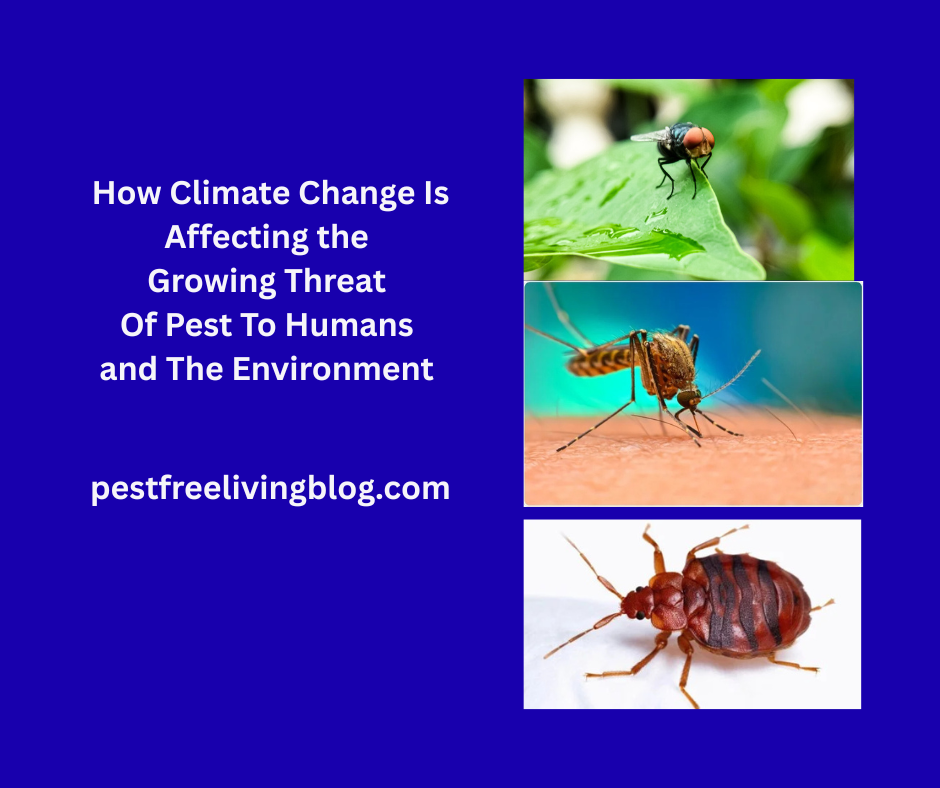
Climate change is reshaping our world in countless ways, but one of its most dangerous effects is often overlooked: how it’s making pests an escalating threat to both human and animal health. As global temperatures rise and weather patterns shift, disease-carrying insects, agricultural pests, and invasive species are becoming more aggressive, more widespread, and more capable of transmitting deadly pathogens.
The Growing Threat to Human Health
The relationship between climate change and pest-borne diseases represents one of the most serious public health challenges of our time. Warmer temperatures and changing precipitation patterns are creating ideal conditions for disease vectors to thrive, while simultaneously expanding their geographic reach into previously safe regions.
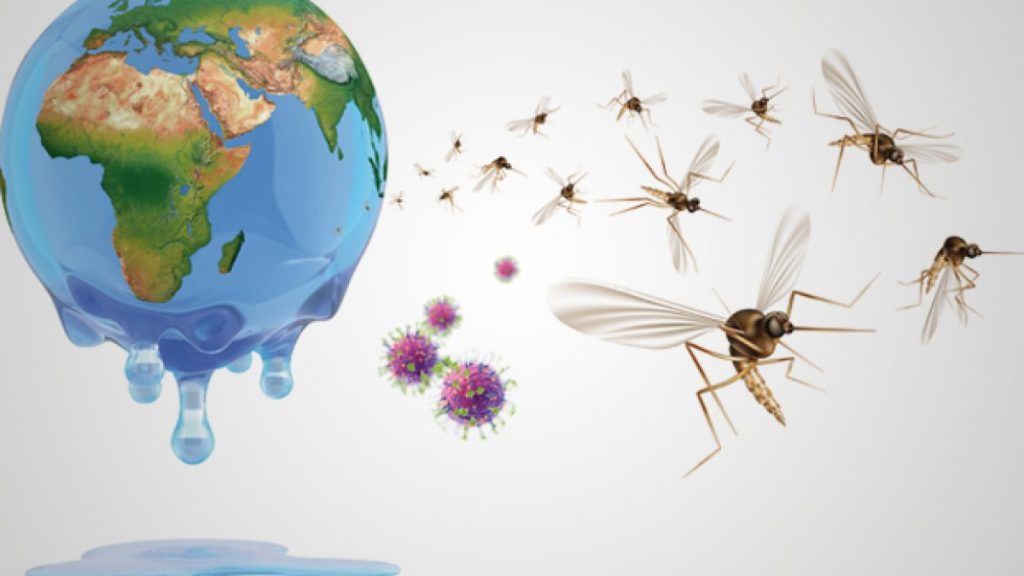
Mosquito-borne diseases are experiencing unprecedented expansion. The Aedes aegypti mosquito, which carries dengue fever, Zika virus, chikungunya, and yellow fever, is now establishing populations in temperate regions that were once too cold for survival. The World Health Organization reports that dengue fever cases have increased eightfold since 2000, with climate change identified as a primary driver.
Tick-borne illnesses are surging as warmer winters allow tick populations to survive year-round in northern latitudes. Lyme disease cases have tripled in the United States since the 1990s, while tick-borne encephalitis is spreading rapidly across Europe and Asia. These tiny arachnids are now active for longer periods each year and are establishing populations at higher altitudes and latitudes than ever before.
Escalating Threats to Animal Health and Welfare
Domestic animals and wildlife face unprecedented challenges as climate change enables pests to become more aggressive and widespread. The impacts extend far beyond simple discomfort, threatening animal health, agricultural productivity, and ecosystem stability.
Livestock under assault face increasing pressure from biting flies, mosquitoes, and ticks. These pests don’t just cause irritation—they transmit serious diseases like bluetongue virus in sheep and cattle, West Nile virus in horses, and various tick-borne pathogens. Heat stress from rising temperatures makes animals more vulnerable to pest attacks, as their immune systems become compromised.
Wildlife populations are experiencing devastating impacts from climate-enhanced pest pressure. Caribou and reindeer populations in the Arctic are being decimated by warmer weather that allows parasitic flies to thrive. These insects drive the animals to exhaustion as they flee swarms, leading to reduced feeding, poor reproduction, and ultimately population decline.
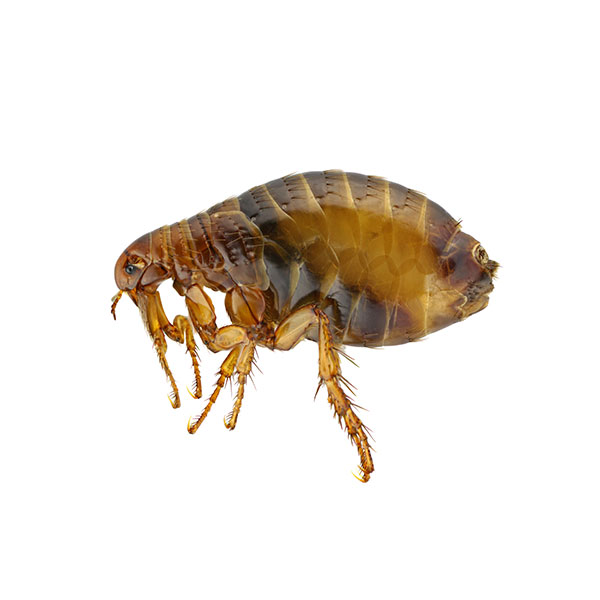
Companion animals are not immune to these changes. Dogs and cats face increased risk of flea and tick infestations, with longer active seasons for these parasites. The geographic expansion of heartworm-carrying mosquitoes means pets in previously low-risk areas now require year-round prevention.
How Climate Change Amplifies Pest Dangers
Accelerated Disease Transmission
Rising temperatures don’t just increase pest populations—they fundamentally alter how diseases spread. Warmer conditions accelerate the development of pathogens within their insect hosts, shortening the time between infection and transmission. The malaria parasite, for instance, develops twice as fast in mosquitoes at 28°C compared to 20°C, dramatically increasing transmission rates.
Viral replication speeds up in warmer conditions, making infected insects more potent disease vectors. This means that not only are there more disease-carrying pests, but each individual pest is more likely to successfully transmit pathogens to humans and animals.
Expanded Geographic Reach
Climate change is erasing the natural barriers that once contained dangerous pests. The Asian tiger mosquito, a competent vector for over 20 viruses, has spread from Southeast Asia to establish populations across Europe, the Americas, and Africa. This expansion brings new disease risks to populations with no previous exposure or immunity.
Altitude barriers are disappearing as mountain regions warm. High-altitude communities in the Andes, Himalayas, and African highlands—once protected by cool temperatures—are now experiencing their first outbreaks of mosquito-borne diseases. The city of Nairobi, Kenya, at 1,700 meters elevation, recorded its first major dengue outbreak in 2021.
Increased Aggression and Feeding Behavior
Warmer temperatures make many pests more aggressive and increase their feeding frequency. Ticks become more active in warmer weather, increasing the likelihood of human and animal encounters. Mosquitoes feed more frequently in higher temperatures, multiplying opportunities for disease transmission.
Seasonal extension means pest activity periods are lasting longer each year. What were once seasonal threats are becoming year-round problems in many regions. In northern Europe, tick activity now extends from February through December, compared to the historical April through October season.
Specific Threats to Human Populations
Vector-Borne Disease Expansion
The most immediate threat to human health comes from the expansion of vector-borne diseases into new regions. Malaria is creeping into highland areas of Africa and South America as temperatures rise, putting millions of previously protected people at risk. The disease is now found at altitudes of over 2,000 meters in regions where it was historically absent.
Dengue fever has become the world’s fastest-spreading vector-borne disease, with cases increasing from 2.2 million in 2010 to over 5.2 million in 2023. Climate change has enabled Aedes mosquitoes to establish year-round populations in temperate zones, turning seasonal risks into permanent threats.
Leishmaniasis, spread by sand flies, is expanding northward in Europe and establishing new foci in North America. This potentially deadly disease affects 12 million people worldwide and is spreading to regions where healthcare systems are unprepared for tropical diseases.
Urban Heat Islands and Pest Proliferation
Cities are becoming hotspots for pest-related health risks. Urban heat islands create microclimates that are even warmer than surrounding areas, providing ideal conditions for disease vectors. Culex mosquitoes, which carry West Nile virus, thrive in urban environments and are becoming more active due to prolonged warm seasons.
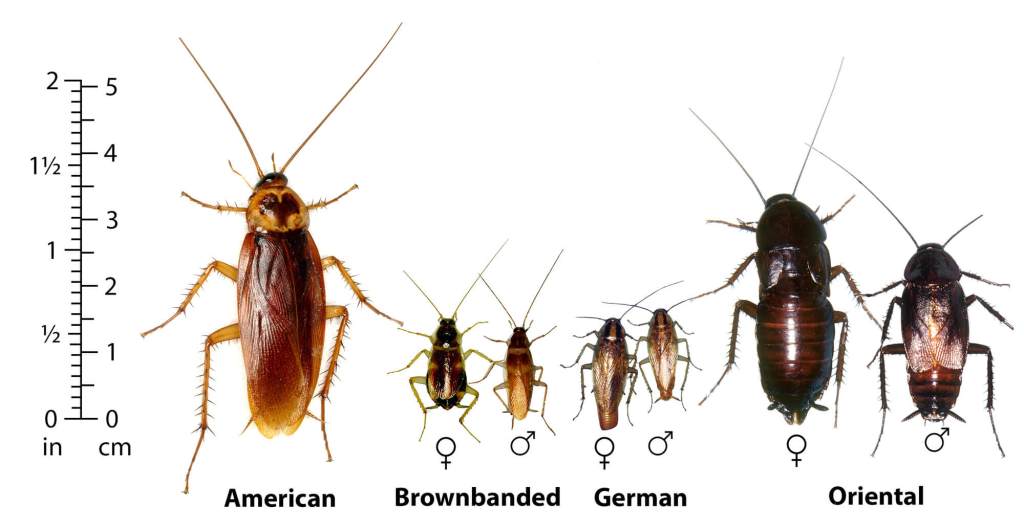
Cockroaches and other urban pests are reproducing faster and surviving longer in warmer cities, exacerbating asthma and allergy problems, particularly in low-income neighborhoods with poor housing conditions.
Protection Strategies for Humans and Animals
Personal and Community Protection
Individual protection starts with understanding local pest risks and taking appropriate precautions. This includes using EPA-approved insect repellents, wearing protective clothing during peak pest activity, and eliminating standing water sources around homes and communities.
Community-wide surveillance systems are becoming essential for early detection of pest-borne diseases. Many regions are implementing monitoring programs that track pest populations and disease incidence, allowing for rapid response to emerging threats.
Innovative Control Methods
Genetic approaches are showing promise for controlling dangerous pest populations. Researchers are developing genetically modified mosquitoes that produce sterile offspring, potentially reducing populations of disease-carrying species. While controversial, these approaches may be necessary for controlling pests that threaten human health.
Biological control using natural predators and parasites offers sustainable solutions for managing pest populations. Lady beetles, predatory mites, and parasitic wasps can help control agricultural pests without harming beneficial insects or posing risks to human health.
Veterinary and Animal Health Measures
Preventive veterinary care is becoming more important as pest-borne diseases spread to new regions. Regular screening for heartworm, tick-borne diseases, and other pest-transmitted pathogens helps protect both animal and human health, as many of these diseases can spread between species.
Livestock protection strategies include the use of insect-repelling ear tags, sprays, and feed additives that make animals less attractive to pests. These measures not only protect animal welfare but also reduce the risk of disease transmission to humans who work with livestock.
Healthcare System Preparedness
Training and Education
Healthcare workers in temperate regions are receiving training to recognize and treat tropical diseases as these conditions spread northward. Medical schools are updating curricula to include previously exotic diseases like dengue fever and leishmaniasis, preparing the next generation of healthcare providers for climate-related health challenges.
Public health education campaigns are essential for helping communities understand new pest-related risks and protection strategies. These programs must be culturally appropriate and accessible to diverse populations, particularly in areas where pest-borne diseases are newly emerging.
Diagnostic and Treatment Capacity
Hospitals and clinics are expanding their diagnostic capabilities to detect pest-borne diseases quickly and accurately. Rapid diagnostic tests for malaria, dengue, and other vector-borne diseases are becoming standard equipment in regions where these diseases are emerging.
Treatment protocols are being developed for healthcare systems that have no historical experience with tropical diseases. This includes staff training, medication stockpiling, and coordination with specialized treatment centers.
The Future of Human-Pest Interactions
Climate change is fundamentally altering the relationship between humans, animals, and pests. As temperatures continue to rise and weather patterns become more unpredictable, we must prepare for a future where pest-borne diseases are more common, more widespread, and more dangerous than ever before.
Emerging threats include the potential for new disease outbreaks as pests and pathogens encounter naive populations. The COVID-19 pandemic demonstrated how quickly a new pathogen can spread globally, and climate change is creating conditions for more such events.
Vulnerable populations including children, elderly individuals, and those with compromised immune systems face the greatest risks from climate-enhanced pest threats. Protecting these groups requires targeted interventions and increased healthcare access.
Final Thoughts
Climate change’s role in escalating pest threats to humans and animals represents one of the most urgent public health challenges of our time. From expanding disease ranges to increased aggression and feeding behavior, pests are becoming more dangerous as our planet warms.
The impacts extend far beyond individual health, affecting communities, healthcare systems, and the global economy. However, through proactive measures including enhanced surveillance, improved protection strategies, and healthcare system preparedness, we can build resilience against these growing threats.
Success in managing climate-enhanced pest risks requires coordinated action at local, national, and international levels. By recognizing the severity of these threats and taking decisive action now, we can protect both human and animal health in an increasingly challenging world.
The key is understanding that pest management in a changing climate isn’t just about controlling insects—it’s about protecting the health and well-being of all living beings on our warming planet. As we face an uncertain future, our ability to adapt to these new realities will determine our collective health and survival.
Recent News and Analysis
Climate change linked to rise of dengue fever worldwide – NPR (November 2024)
Dengue fever cases reach record-high in the Americas amid climate change – Euronews (December 2024)
Lyme disease on the rise as climate change expands tick range – Association of Health Care Journalists (2024)
Spike in dengue cases due to global warming, warns WHO – UN News (2023)
Climate change: an enduring challenge for vector-borne disease prevention – Nature Immunology
“Ticking Bomb”: The Impact of Climate Change on the Incidence of Lyme Disease – PMC National Center for Biotechnology Information



 Pest Free Living
Leave a comment