Cockroaches are more than just creepy—they’re resilient, stealthy, and carry bacteria that can contaminate food and surfaces. The worst part? They often hide in places you’d never expect, emerging only when the infestation has reached serious levels. If you’re only seeing a roach here or there, chances are the problem is much bigger than it seems.
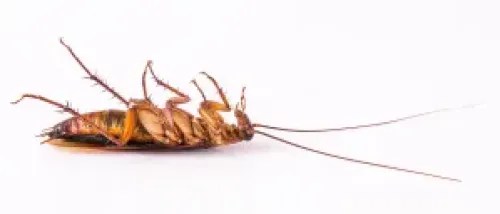
Here are five warning signs that your home may have a hidden cockroach problem—and what you can do about it before it becomes a full-blown infestation.
1. A Musty or Oily Odor You Can’t Explain
If you’ve noticed a strange, lingering smell in your kitchen or bathroom—something musty, oily, or just “off”—you might be smelling roaches. Cockroaches produce a pheromone that creates a distinct, foul odor. The stronger the smell, the more roaches are likely present.
Dead roaches can also contribute to the smell, especially if they’ve died in walls, cabinets, or crawlspaces. If you’ve cleaned thoroughly and the odor remains, it’s worth investigating further.
What to do: Start by checking behind appliances and under sinks for roach droppings or egg cases. You can also place glue traps in dark corners to confirm activity.
2. Pepper-Like Droppings in Hidden Areas
Cockroach droppings are one of the first signs pest control pros look for. They resemble ground black pepper, coffee grounds, or tiny dark specks. You’ll usually find them in places where roaches hide or travel frequently: behind the fridge, under the stove, in kitchen drawers, or around baseboards.
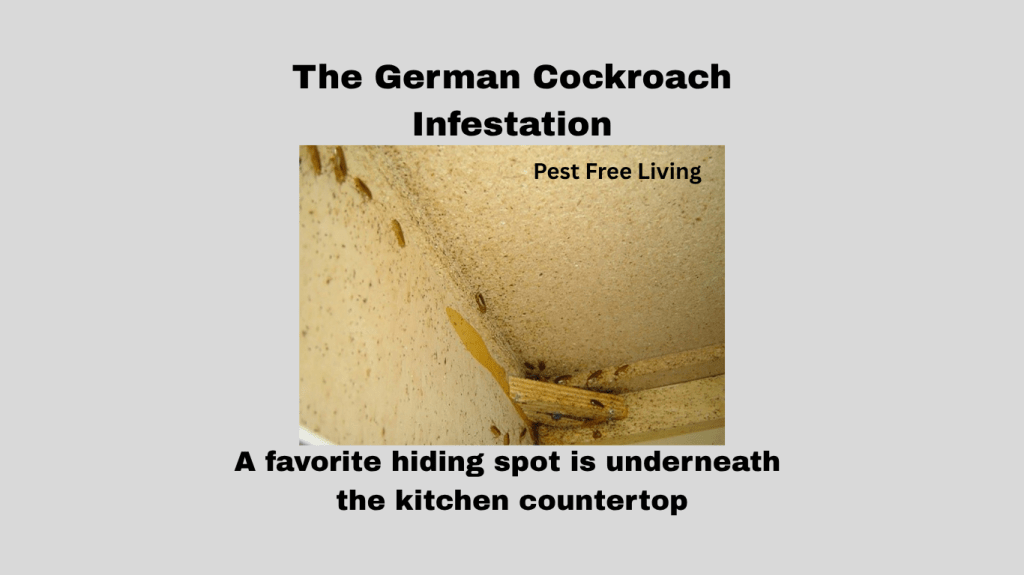
Over time, these droppings build up and can trigger allergies and asthma—especially in children.
What to do: Wear gloves and a mask while cleaning droppings. Disinfect the area, then seal any cracks or gaps to limit access. Follow up with traps or call a professional if signs persist.
3. Smear Marks and Greasy Streaks on Surfaces
In high-moisture areas, cockroaches may leave behind smear marks as they crawl along surfaces. These brown or dark smudges are often found along walls, countertops, or floors where roaches scurry at night.
Unlike dirt or typical household grime, roach smears tend to appear in straight or curved patterns, often near water sources like sinks, bathtubs, or leaky pipes.
What to do: Clean the area thoroughly and inspect nearby cracks, cabinets, or plumbing for nesting activity. If streaks reappear after cleaning, that’s a strong sign of ongoing infestation.
4. You Spot Egg Cases or Shed Skins
One roach sighting is alarming enough—but seeing their egg cases (oothecae) or molted skins is a flashing red light. Egg cases are about 1/4-inch long, brown, and capsule-shaped, often hidden in dark corners, behind baseboards, or inside cabinets. Each can contain 10–40 eggs.
As roaches grow, they shed their skins multiple times, leaving behind thin, dry shells that look like smaller versions of the roach itself.

What to do: Vacuum and dispose of any egg cases or shells immediately. Then use baits or gels to target hidden nests. Remember: one egg case can spawn dozens of roaches.
5. You See One During the Day
Cockroaches are nocturnal and hate light. If you see one crawling around during the day, it’s a strong sign that the population has grown too large and they’re being forced out of hiding.
Daytime sightings usually mean food sources are limited, and the infestation is spreading. Roaches will go to extreme lengths to survive—crawling out of drains, hiding in electronics, or living in cardboard boxes.
What to do: Don’t ignore it. Set out traps immediately and consider scheduling a pest control inspection. One visible roach often means dozens—if not hundreds—more are hidden.
Bonus Tip: Where They Hide
Cockroaches are masters of concealment. Common hiding spots include:
- Behind and under appliances (fridge, stove, dishwasher)
- Inside pantries or food containers
- Cracks and crevices in cabinets or walls
- Inside electronics (TVs, routers, gaming consoles)
- Drainpipes and under sinks
If you’ve checked the usual places and still suspect activity, it may be time for a professional inspection using heat or moisture-detecting equipment.
Prevention: How to Keep Roaches Out
If you’ve dealt with cockroaches before, you know they’re not easy to get rid of. Prevention is your best defense. Here’s how to make your home less hospitable:
- Seal all cracks and crevices: Use caulk to close gaps around pipes, windows, and baseboards.
- Keep food sealed: Store food in airtight containers and never leave crumbs or pet food out overnight.
- Reduce moisture: Fix leaky faucets, dry out damp areas, and use dehumidifiers when necessary.
- Clean frequently: Take out trash regularly, wipe down counters, and vacuum often.
- Declutter: Roaches love paper and cardboard. Keep storage areas tidy and avoid piles of old magazines or boxes.
When to Call in the Pros
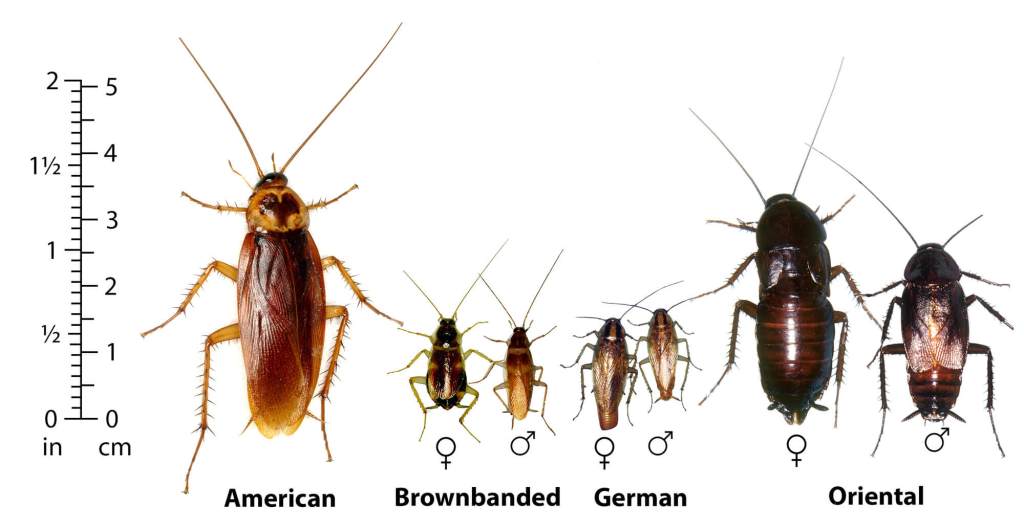
If you’ve tried everything and are still seeing signs of cockroaches, it’s time to call in a licensed pest control expert. Professionals can identify the species (German, American, Oriental, etc.), locate nesting spots, and treat the infestation with long-term solutions.
Many infestations go deeper than you think, especially if roaches are hiding inside walls or floors. A pro can not only eliminate the current problem but also help prevent future outbreaks.
Final Thoughts
Cockroaches are more than just a nuisance—they’re a health hazard and a sign that your home may have vulnerabilities. The key is early detection. By staying alert to these 5 warning signs and acting quickly, you can protect your family, your food, and your peace of mind.



 Pest Free Living
Leave a comment