
How to Keep Bugs Out Without Harming Your Pets
If you’re a pet owner, pest control is a delicate balancing act. You want a bug-free home, but not at the expense of your furry friends’ safety. Traditional pest treatments often include chemicals that can be toxic to dogs, cats, and other household animals — even if used “correctly.”
So how do you keep your home pest-free and pet-safe?
In this guide, we’ll walk through effective pest control strategies that prioritize pet safety while still keeping your home protected from common intruders like fleas, roaches, ants, and rodents.
Why Pet-Safe Pest Control Matters
Conventional pesticides — including sprays, baits, and powders — can contain ingredients like pyrethroids, organophosphates, or neonicotinoids, which can be harmful or even fatal to pets. Dogs and cats often interact with treated surfaces, lick their paws, or chew on objects — exposing them directly to toxins.
Symptoms of pesticide exposure in pets can include:
- Vomiting or diarrhea
- Lethargy or hyperactivity
- Drooling or pawing at the mouth
- Tremors or seizures
And while cats are often more sensitive than dogs, both can suffer long-term health effects from repeated exposure. That’s why pet-safe pest control isn’t just a luxury — it’s a necessity.
1. Prevention First: Seal, Clean, and Monitor
The best way to avoid pests is to stop them before they start. These non-chemical prevention methods are completely safe for pets and highly effective:
✅ Seal Entry Points
Use caulk, weatherstripping, and mesh to seal:
- Cracks in walls and baseboards
- Gaps around windows and doors
- Openings near pipes and vents
Mice can squeeze through holes the size of a dime, so attention to detail matters.
✅ Clean Regularly
- Vacuum frequently (especially near pet food areas).
- Don’t leave food out — even for your pet.
- Use sealed containers for pet kibble.
Many pests are drawn to crumbs, spills, or even pet water bowls. Clean floors and counters daily in warmer months.
✅ Monitor with Traps
Use glue boards or live traps (never snap traps around pets). Place them in:
- Pantries
- Behind appliances
- Along baseboards
Always position traps where your pets can’t reach them.
2. Use Pet-Safe Pest Control Products
When prevention isn’t enough, choose your products carefully. Look for EPA-registered pesticides with pet-safe labels, or opt for natural alternatives.
🌿 Diatomaceous Earth (Food Grade)
This powder is deadly to insects but safe for pets when used properly. Sprinkle it:
- Around baseboards and pet beds (lightly)
- Near litter boxes or feeding areas
- In cracks and crevices
Avoid using it near air vents, as it can irritate lungs if airborne.
🌱 Essential Oils — With Caution
Certain oils can repel insects, but not all are safe for pets. Avoid oils like tea tree, clove, or peppermint near cats. Safer options: Resource
- Cedarwood oil (flea and moth repellent)
- Lemongrass oil (ant and mosquito repellent)
Dilute oils and avoid direct skin contact for pets. Never diffuse essential oils continuously in small spaces.
🪤 Bait Stations: Use Enclosed, Pet-Proof Designs
If using baits, place them in tamper-proof, pet-resistant containers — ideally behind appliances or inside cabinets.
Never leave open bait or poison accessible. Pets are curious — and some baits contain peanut butter or fish-based scents that are irresistible.
3. Rodent Control Without Poison
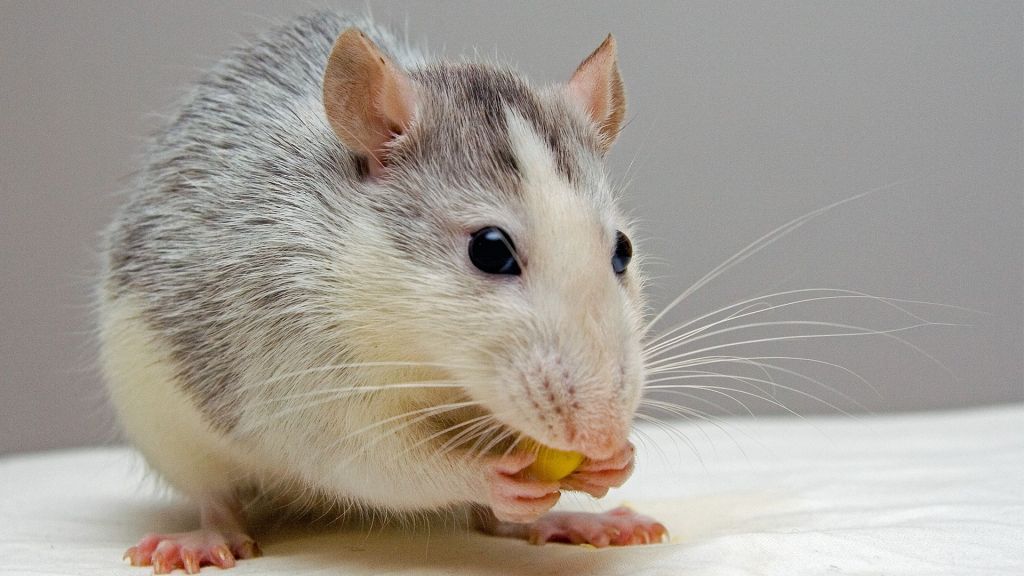
Rodenticides (rat and mouse poisons) are among the most dangerous products for household pets. Ingestion can be fatal — and so can eating a poisoned rodent.
Instead, opt for:
- Electronic traps (enclosed and instant-kill, no poison)
- Ultrasonic deterrents (high-frequency sound)
- Seal and remove attractants like pet food or nesting material
If you must use traps, choose enclosed “no-touch” styles and place them far from where your pet can access.
4. Hiring a Pro? Ask These Questions
If you’re calling in pest control professionals, let them know up front that you have pets. Ask:
- What products do you use? Are they safe for pets?
- Do pets need to be removed during or after treatment?
- What’s the re-entry time for treated areas?
- Can you provide a safety sheet (SDS) for the chemicals used?
A good technician will offer Integrated Pest Management (IPM) strategies and minimize chemical use altogether.
Final Thoughts
Pet-safe pest control is not just possible — it’s practical and increasingly popular. With the right strategy, you can create a home that’s free from ants, fleas, roaches, and rodents without putting your dog, cat, or other pets at risk.
🐕 Ready to go pet-safe?
Download our free Pet-Safe Pest Control Checklist Below


 Pest Free Living
Leave a comment