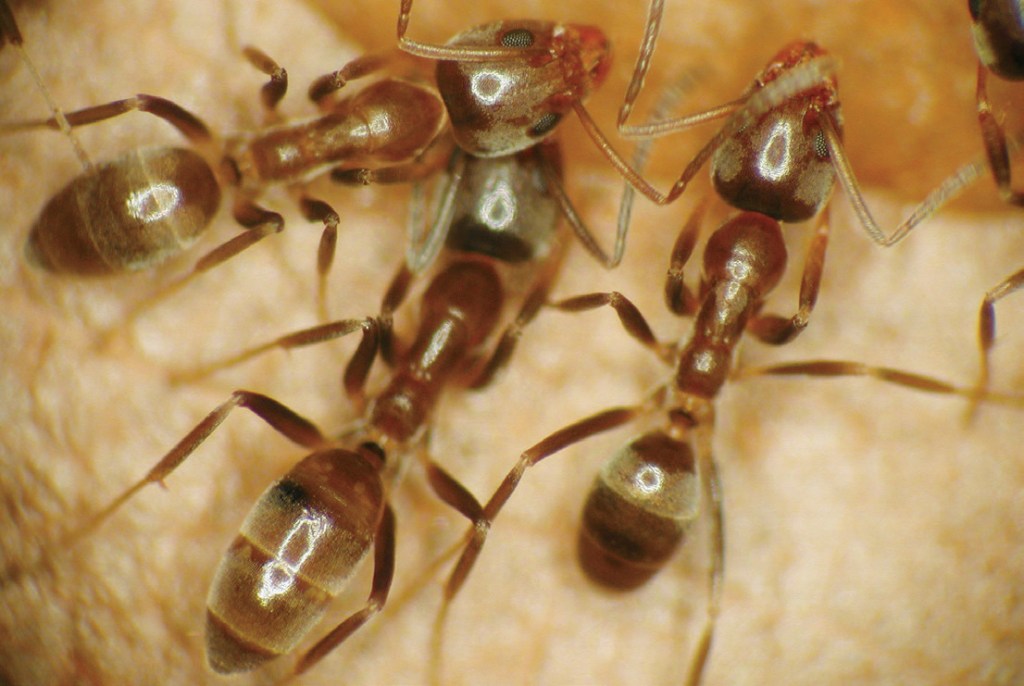
The Tiny Invaders Causing Massive Environmental and Economic Damage
Table of Contents
- Understanding the Tawny Crazy Ant: A Comprehensive Overview
- The Multifaceted Threat: Why Tawny Crazy Ants Are Environmental and Economic Disasters
- Identifying Tawny Crazy Ant Infestations: Professional Assessment Criteria
- Professional Management Strategies: Beyond DIY Solutions
- Prevention: Proactive Strategies for Property Protection
- The Broader Implications: Environmental and Economic Consequences
- Conclusion: Taking Action Against an Ongoing Threat
In the world of invasive species, few pests have garnered as much concern from entomologists, homeowners, and ecosystem managers as the tawny crazy ant. While most people are familiar with common household ants, this particular species represents a significant threat that extends far beyond simple inconvenience. The Nylanderia fulva, better known as the tawny crazy ant, has emerged as one of the most destructive invasive insects in North America, causing millions of dollars in damage while fundamentally altering local ecosystems.
Understanding the Tawny Crazy Ant: A Comprehensive Overview
The tawny crazy ant earned its distinctive name through two defining characteristics: its reddish-brown (tawny) coloration and its highly erratic, seemingly frenzied movement patterns that appear almost “crazy” to observers. Unlike the more predictable marching patterns of native ant species, tawny crazy ants move in rapid, irregular formations that make them immediately recognizable to trained eyes.
Measuring approximately 2.2 to 3 millimeters in length, these ants are relatively small but pack an outsized environmental punch. Their bodies display a characteristic golden-brown to reddish-brown hue, with long legs and antennae that contribute to their distinctive appearance. What truly sets them apart, however, is their behavior and ecological impact.
Origins and Rapid Expansion
Originally native to South America, particularly Argentina and southern Brazil, tawny crazy ants were first documented in the United States in 2002 near Houston, Texas. The initial discovery was made by pest control operator Tom Rasberry, leading to their alternative name: “Rasberry crazy ants.” Since then, their range has expanded exponentially across the southern United States.
Current established populations can be found throughout Texas, Louisiana, Mississippi, Florida, and parts of Georgia and Alabama. What makes this expansion particularly concerning is the speed at which it has occurred—less than two decades for such widespread colonization represents one of the fastest invasive species expansions on record.
The Multifaceted Threat: Why Tawny Crazy Ants Are Environmental and Economic Disasters
1. Unprecedented Electrical System Damage
Perhaps the most economically devastating aspect of tawny crazy ant infestations is their inexplicable attraction to electrical equipment. This behavior, while not fully understood by scientists, has led to widespread infrastructure damage across affected regions.
These ants actively seek out electrical currents, infiltrating everything from residential breaker boxes to industrial control systems. Once inside electrical equipment, they create short circuits through direct contact with live components. When electrocuted, they release pheromones that attract even more ants, creating a cascading effect where thousands of ants pile into the same electrical space.
The economic impact has been staggering. In Texas alone, utility companies have reported hundreds of thousands of dollars in damage annually. Residential damage includes:
- Air conditioning unit failures requiring complete system replacement
- Computer and electronic device destruction
- Electrical panel replacements costing $2,000-$5,000 per incident
- Industrial equipment downtime costing businesses millions in lost productivity
2. Devastating Ecological Displacement
From an environmental perspective, tawny crazy ants function as ecosystem engineers—but not in a positive way. Their arrival fundamentally alters local ecological relationships through aggressive competition and direct predation.
Native ant species, which often serve crucial roles in seed dispersal, soil aeration, and pest control, are systematically displaced or eliminated by tawny crazy ant colonies. Research has documented complete elimination of native ant populations in areas with established tawny crazy ant infestations.
The ecological damage extends beyond ants. These invasive insects prey on:
- Native beetles and other beneficial insects
- Spider populations that naturally control pest species
- Ground-nesting bird eggs and hatchlings
- Small reptiles and amphibians
- Beneficial arthropods essential for ecosystem balance
3. Explosive Reproductive Capacity
The reproductive strategy of tawny crazy ants makes them particularly difficult to control and contain. Unlike many ant species with single queens, tawny crazy ant colonies can support multiple queens simultaneously—sometimes dozens within a single colony.
This polygynous colony structure means that even if pest control efforts eliminate some queens, others can continue reproduction. Additionally, when colonies are disturbed, they don’t simply retreat—they actively fragment and establish new satellite colonies, effectively spreading the infestation over wider areas.
Colony growth rates are exponential. A single established colony can produce multiple daughter colonies within a single season, each capable of independent survival and further reproduction.
4. Agricultural and Livestock Impact
While tawny crazy ants don’t possess stingers like fire ants, they compensate with aggressive biting behavior and the ability to spray formic acid as a defensive mechanism. This creates significant problems for agricultural operations and livestock management.
Documented agricultural impacts include:
- Livestock eye injuries from formic acid exposure
- Disruption of beneficial insect populations essential for crop pollination
- Interference with integrated pest management programs
- Economic losses from damaged agricultural equipment
Identifying Tawny Crazy Ant Infestations: Professional Assessment Criteria
Early detection remains the most effective strategy for managing tawny crazy ant infestations. Property owners should be alert to several key indicators:
Visual Identification
- Large numbers of reddish-brown ants moving in rapid, erratic patterns
- Ant trails that don’t follow predictable paths like those of native species
- Unusual ant activity around electrical equipment, outlets, and utility boxes
- Massive ant aggregations in moist, shaded areas
Behavioral Indicators
- Ants that don’t retreat when disturbed but instead become more active
- Electrical equipment malfunctions coinciding with ant sightings
- Unusual numbers of dead insects in areas with high ant activity
- Pets or livestock showing signs of irritation or eye problems
Environmental Conditions
Tawny crazy ants thrive in specific environmental conditions, making certain properties more susceptible to infestation:
- Properties with abundant moisture sources
- Areas with dense vegetation providing shelter
- Locations near ports, railroads, or other transportation hubs
- Regions with mild winter temperatures
Professional Management Strategies: Beyond DIY Solutions
The complexity of tawny crazy ant biology and behavior makes professional intervention essential for effective control. Traditional over-the-counter ant control products prove largely ineffective against these invasive insects for several reasons:
Why DIY Methods Fail
- Colony fragmentation: Disturbing colonies with sprays causes them to split and spread
- Multiple queens: Eliminating workers doesn’t address reproductive capacity
- Bait aversion: Tawny crazy ants often ignore or avoid common ant baits
- Rapid recolonization: New ants quickly replace those killed by contact insecticides
Integrated Professional Management
Effective tawny crazy ant management requires a comprehensive, multi-faceted approach developed by pest management professionals:
1. Detailed Property Assessment Professional technicians conduct thorough inspections to identify colony locations, movement patterns, and environmental factors contributing to infestations.
2. Targeted Baiting Programs Specialized bait formulations designed specifically for tawny crazy ants, applied using precise placement strategies that account for their unique feeding behaviors.
3. Environmental Modification Systematic elimination of conditions that support tawny crazy ant populations, including moisture reduction, vegetation management, and habitat modification.
4. Electrical Equipment Protection Installation of ant-proof barriers and modifications to electrical systems to prevent costly damage and service interruptions.
5. Ongoing Monitoring and Maintenance Regular inspections and preventive treatments to detect and address new infestations before they become established.
Prevention: Proactive Strategies for Property Protection
While professional treatment remains essential for active infestations, property owners can implement several preventive measures to reduce the likelihood of tawny crazy ant colonization:
Landscape Management
- Maintain proper drainage to eliminate standing water
- Trim vegetation away from structures to reduce ant highways
- Remove debris piles, fallen logs, and other shelter materials
- Consider ant-resistant landscaping in high-risk areas
Structural Modifications
- Seal entry points around foundations, utility penetrations, and doorways
- Install proper weatherstripping and door sweeps
- Repair damaged screens and ventilation systems
- Ensure proper attic and crawl space ventilation
Electrical System Protection
- Schedule regular electrical system inspections in high-risk areas
- Consider protective barriers around critical electrical equipment
- Maintain clear zones around electrical boxes and utility connections
The Broader Implications: Environmental and Economic Consequences
The tawny crazy ant invasion represents more than a localized pest problem—it exemplifies the broader challenges associated with invasive species in an increasingly connected world. The economic costs continue to mount, with some estimates suggesting billions of dollars in cumulative damage across affected regions.
From an environmental perspective, the long-term consequences of tawny crazy ant establishment remain largely unknown. The systematic displacement of native species could trigger cascading ecological effects that may not become apparent for decades.
Research institutions and government agencies continue studying these invasive insects, seeking more effective control methods and better understanding of their ecological impact. Current research focuses on biological control agents, improved baiting strategies, and landscape-scale management approaches.
Conclusion: Taking Action Against an Ongoing Threat
The tawny crazy ant represents a clear and present danger to both property owners and environmental health across the southern United States. Their unique combination of electrical system damage, ecological disruption, and rapid reproductive capacity makes them one of the most challenging invasive species currently facing North American ecosystems.
For property owners in affected or at-risk areas, the message is clear: early detection and professional intervention provide the best opportunity for effective management. The costs of inaction—both economic and environmental—far exceed the investment in professional pest management services.
As tawny crazy ant populations continue to expand their range, understanding and addressing this invasive species threat becomes increasingly critical. Through combination of professional management, preventive strategies, and ongoing research, communities can work to limit the damage caused by these destructive invaders.
The battle against tawny crazy ants requires sustained effort, professional expertise, and community awareness. By taking proactive steps and supporting professional management programs, property owners can protect both their investments and the broader environmental health of their communities.
Meta Description: Tawny crazy ants cause millions in electrical damage and devastate local ecosystems. Learn comprehensive identification, prevention, and professional management strategies for this destructive invasive species.
Tags: #TawnyCrazyAnts #InvasiveSpecies #PestControl #ElectricalDamage #EcosystemDisruption #PestManagement #EnvironmentalThreat #ProfessionalPestControl #AntInfestation #PropertyProtection
In the world of invasive species, few pests have garnered as much concern from entomologists, homeowners, and ecosystem managers as the tawny crazy ant. While most people are familiar with common household ants, this particular species represents a significant threat that extends far beyond simple inconvenience. The Nylanderia fulva, better known as the tawny crazy ant, has emerged as one of the most destructive invasive insects in North America, causing millions of dollars in damage while fundamentally altering local ecosystems.
Understanding the Tawny Crazy Ant
The tawny crazy ant earned its distinctive name through two defining characteristics: its reddish-brown (tawny) coloration and its highly erratic, seemingly frenzied movement patterns that appear almost “crazy” to observers. Unlike the more predictable marching patterns of native ant species, tawny crazy ants move in rapid, irregular formations that make them immediately recognizable to trained eyes.
Measuring approximately 2.2 to 3 millimeters in length, these ants are relatively small but pack an outsized environmental punch. Their bodies display a characteristic golden-brown to reddish-brown hue, with long legs and antennae that contribute to their distinctive appearance. What truly sets them apart, however, is their behavior and ecological impact.
Origins and Rapid Expansion
Originally native to South America, particularly Argentina and southern Brazil, tawny crazy ants were first documented in the United States in 2002 near Houston, Texas. The initial discovery was made by pest control operator Tom Rasberry, leading to their alternative name: “Rasberry crazy ants.” Since then, their range has expanded exponentially across the southern United States.
Current established populations can be found throughout Texas, Louisiana, Mississippi, Florida, and parts of Georgia and Alabama. What makes this expansion particularly concerning is the speed at which it has occurred—less than two decades for such widespread colonization represents one of the fastest invasive species expansions on record.
Why Tawny Crazy Ants Are Environmental and Economic Disasters
1. Unprecedented Electrical System Damage
Perhaps the most economically devastating aspect of tawny crazy ant infestations is their inexplicable attraction to electrical equipment. This behavior, while not fully understood by scientists, has led to widespread infrastructure damage across affected regions.
These ants actively seek out electrical currents, infiltrating everything from residential breaker boxes to industrial control systems. Once inside electrical equipment, they create short circuits through direct contact with live components. When electrocuted, they release pheromones that attract even more ants, creating a cascading effect where thousands of ants pile into the same electrical space.
The economic impact has been staggering. In Texas alone, utility companies have reported hundreds of thousands of dollars in damage annually. Residential damage includes:
- Air conditioning unit failures requiring complete system replacement
- Computer and electronic device destruction
- Electrical panel replacements costing $2,000-$5,000 per incident
- Industrial equipment downtime costing businesses millions in lost productivity
2. Devastating Ecological Displacement
From an environmental perspective, tawny crazy ants function as ecosystem engineers—but not in a positive way. Their arrival fundamentally alters local ecological relationships through aggressive competition and direct predation.
Native ant species, which often serve crucial roles in seed dispersal, soil aeration, and pest control, are systematically displaced or eliminated by tawny crazy ant colonies. Research has documented complete elimination of native ant populations in areas with established tawny crazy ant infestations.
The ecological damage extends beyond ants. These invasive insects prey on:
- Native beetles and other beneficial insects
- Spider populations that naturally control pest species
- Ground-nesting bird eggs and hatchlings
- Small reptiles and amphibians
- Beneficial arthropods essential for ecosystem balance
3. Explosive Reproductive Capacity
The reproductive strategy of tawny crazy ants makes them particularly difficult to control and contain. Unlike many ant species with single queens, tawny crazy ant colonies can support multiple queens simultaneously—sometimes dozens within a single colony.
This polygynous colony structure means that even if pest control efforts eliminate some queens, others can continue reproduction. Additionally, when colonies are disturbed, they don’t simply retreat—they actively fragment and establish new satellite colonies, effectively spreading the infestation over wider areas.
Colony growth rates are exponential. A single established colony can produce multiple daughter colonies within a single season, each capable of independent survival and further reproduction.
4. Agricultural and Livestock Impact
While tawny crazy ants don’t possess stingers like fire ants, they compensate with aggressive biting behavior and the ability to spray formic acid as a defensive mechanism. This creates significant problems for agricultural operations and livestock management.
Documented agricultural impacts include:
- Livestock eye injuries from formic acid exposure
- Disruption of beneficial insect populations essential for crop pollination
- Interference with integrated pest management programs
- Economic losses from damaged agricultural equipment
Identifying Tawny Crazy Ant Infestations
Early detection remains the most effective strategy for managing tawny crazy ant infestations. Property owners should be alert to several key indicators:
Visual Identification
- Large numbers of reddish-brown ants moving in rapid, erratic patterns
- Ant trails that don’t follow predictable paths like those of native species
- Unusual ant activity around electrical equipment, outlets, and utility boxes
- Massive ant aggregations in moist, shaded areas
Behavioral Indicators
- Ants that don’t retreat when disturbed but instead become more active
- Electrical equipment malfunctions coinciding with ant sightings
- Unusual numbers of dead insects in areas with high ant activity
- Pets or livestock showing signs of irritation or eye problems
Environmental Conditions
Tawny crazy ants thrive in specific environmental conditions, making certain properties more susceptible to infestation:
- Properties with abundant moisture sources
- Areas with dense vegetation providing shelter
- Locations near ports, railroads, or other transportation hubs
- Regions with mild winter temperatures
Beyond DIY Solutions
The complexity of tawny crazy ant biology and behavior makes professional intervention essential for effective control. Traditional over-the-counter ant control products prove largely ineffective against these invasive insects for several reasons:
Why DIY Methods Fail
- Colony fragmentation: Disturbing colonies with sprays causes them to split and spread
- Multiple queens: Eliminating workers doesn’t address reproductive capacity
- Bait aversion: Tawny crazy ants often ignore or avoid common ant baits
- Rapid recolonization: New ants quickly replace those killed by contact insecticides
Integrated Professional Management
Effective tawny crazy ant management requires a comprehensive, multi-faceted approach developed by pest management professionals:
1. Detailed Property Assessment Professional technicians conduct thorough inspections to identify colony locations, movement patterns, and environmental factors contributing to infestations.
2. Targeted Baiting Programs Specialized bait formulations designed specifically for tawny crazy ants, applied using precise placement strategies that account for their unique feeding behaviors.
3. Environmental Modification Systematic elimination of conditions that support tawny crazy ant populations, including moisture reduction, vegetation management, and habitat modification.
4. Electrical Equipment Protection Installation of ant-proof barriers and modifications to electrical systems to prevent costly damage and service interruptions.
5. Ongoing Monitoring and Maintenance Regular inspections and preventive treatments to detect and address new infestations before they become established.
Prevention
While professional treatment remains essential for active infestations, property owners can implement several preventive measures to reduce the likelihood of tawny crazy ant colonization:
Landscape Management
- Maintain proper drainage to eliminate standing water
- Trim vegetation away from structures to reduce ant highways
- Remove debris piles, fallen logs, and other shelter materials
- Consider ant-resistant landscaping in high-risk areas
Structural Modifications
- Seal entry points around foundations, utility penetrations, and doorways
- Install proper weatherstripping and door sweeps
- Repair damaged screens and ventilation systems
- Ensure proper attic and crawl space ventilation
Electrical System Protection
- Schedule regular electrical system inspections in high-risk areas
- Consider protective barriers around critical electrical equipment
- Maintain clear zones around electrical boxes and utility connections
Environmental and Economic Consequences
The tawny crazy ant invasion represents more than a localized pest problem—it exemplifies the broader challenges associated with invasive species in an increasingly connected world. The economic costs continue to mount, with some estimates suggesting billions of dollars in cumulative damage across affected regions.
From an environmental perspective, the long-term consequences of tawny crazy ant establishment remain largely unknown. The systematic displacement of native species could trigger cascading ecological effects that may not become apparent for decades.
Research institutions and government agencies continue studying these invasive insects, seeking more effective control methods and better understanding of their ecological impact. Current research focuses on biological control agents, improved baiting strategies, and landscape-scale management approaches.
Taking Action Against an Ongoing Threat
The tawny crazy ant represents a clear and present danger to both property owners and environmental health across the southern United States. Their unique combination of electrical system damage, ecological disruption, and rapid reproductive capacity makes them one of the most challenging invasive species currently facing North American ecosystems.
For property owners in affected or at-risk areas, the message is clear: early detection and professional intervention provide the best opportunity for effective management. The costs of inaction—both economic and environmental—far exceed the investment in professional pest management services.
As tawny crazy ant populations continue to expand their range, understanding and addressing this invasive species threat becomes increasingly critical. Through combination of professional management, preventive strategies, and ongoing research, communities can work to limit the damage caused by these destructive invaders.
The battle against tawny crazy ants requires sustained effort, professional expertise, and community awareness. By taking proactive steps and supporting professional management programs, property owners can protect both their investments and the broader environmental health of their communities.
Checklist Page – Click Here


 Pest Free Living
Leave a comment