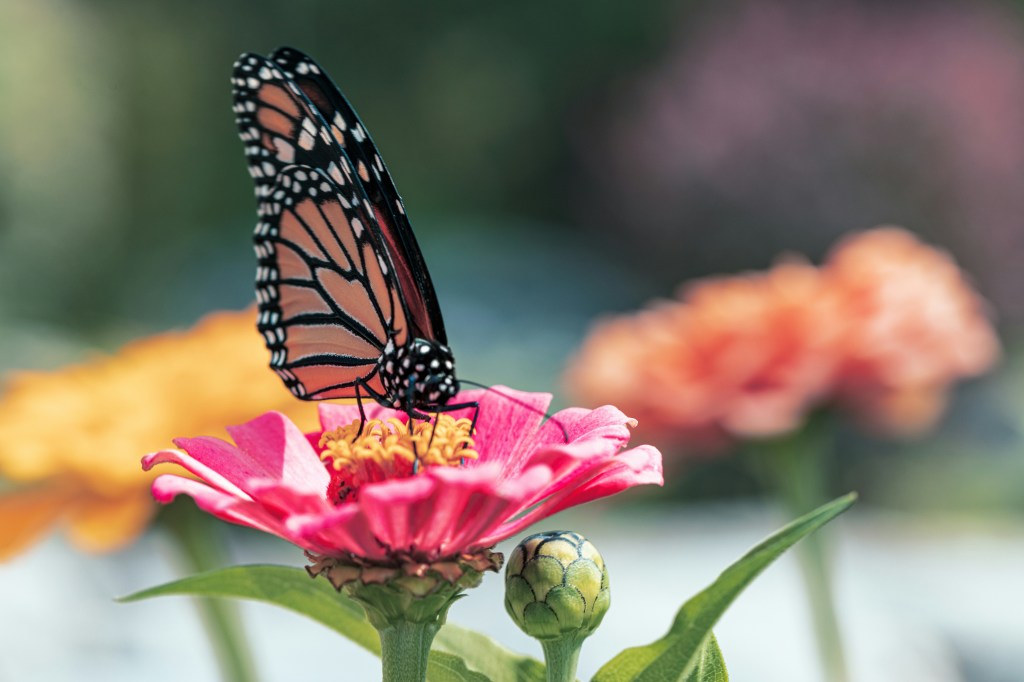
What if I told you that one-third of everything on your dinner plate might vanish within a decade? Here’s the shocking truth about the pollinator crisis threatening your food supply.
Picture walking into your favorite grocery store only to find empty shelves where colorful fruits and vegetables once lined the aisles. No fresh strawberries for your morning cereal, no almonds for your afternoon snack, and forget about that rich chocolate bar you’ve been craving. This nightmare scenario isn’t science fiction—it’s the potential reality we’re facing as pollinator populations collapse at an alarming rate across North America.
The Invisible Workers Keeping You Fed
Every third bite of food you eat exists because of pollinators. These tiny creatures—bees, butterflies, moths, beetles, and even bats—work tirelessly to transfer pollen between flowers, enabling the production of fruits, vegetables, nuts, and seeds that form the backbone of our food system.
The numbers are staggering:
- Over 75% of the world’s food crops depend on animal pollination
- Pollinators contribute over $15 billion annually to North American agriculture
- More than 20% of North American pollinators face elevated extinction risk
But pollinators do more than just ensure your grocery shelves stay stocked. They’re the architects of biodiversity, supporting wild plants that create habitats for countless other species and maintain the delicate balance of our ecosystems.
Why Pollinators Are Vanishing Fast
Habitat Destruction: The Silent Killer
Urban sprawl and industrial agriculture are destroying the diverse wildflower meadows and nesting sites that pollinators call home. Modern farming’s preference for vast monocultures—endless fields of single crops—eliminates the variety of flowers pollinators need to survive year-round.
Pesticide Poisoning: A Toxic Threat
Neonicotinoids and other systemic pesticides don’t just kill pests—they poison the very pollinators our food system depends on. These chemicals get absorbed into plant tissues, including the pollen and nectar that pollinators consume, causing navigation problems, reduced foraging ability, and reproductive failure.
Even worse, pollinators often encounter “pesticide cocktails”—multiple chemicals that can have devastating combined effects.
Climate Change Disruption
Rising temperatures and shifting weather patterns are throwing off the perfectly timed dance between flowers and their pollinators. When flowers bloom too early or too late, pollinators emerge to find no food sources, creating a critical survival crisis.
Disease and Parasites
Already stressed pollinator populations face additional threats from diseases and parasites like the Varroa mite, which has devastated honeybee colonies worldwide.
What’s At Stake: Your Dinner Table
The crops most dependent on pollinators are often the most nutritious ones in our diet:
Fruits: Apples, blueberries, strawberries, peaches, melons Vegetables: Squash, pumpkins, cucumbers, peppers Nuts: Almonds, walnuts, pecans Beverages: Coffee, tea Treats: Chocolate (cacao plants need tiny flies for pollination)
Without pollinators, these foods would become scarce and expensive, forcing many families toward less nutritious, processed alternatives. The ripple effects would impact public health, with reduced access to vitamin-rich foods potentially leading to widespread nutritional deficiencies.
How You Can Save Our Pollinators (and Your Food Supply)
The good news? You have the power to make a difference right in your own backyard.
Create a Pollinator Paradise
Plant native flowers that bloom throughout the growing season. Choose varieties like:
- Bee balm and black-eyed Susans for summer
- Asters and goldenrod for fall
- Early-blooming crocuses and wildflowers for spring
Go Pesticide-Free
Eliminate or drastically reduce pesticide use on your property. Instead, embrace Integrated Pest Management (IPM) techniques that use natural predators and barriers to control unwanted pests without harming beneficial insects.
Build Pollinator Hotels
Create nesting sites by:
- Leaving patches of undisturbed soil for ground-nesting bees
- Installing simple “bee hotels” made from hollow stems or drilled wood blocks
- Maintaining some “messy” areas with leaf litter and plant debris
Support Sustainable Agriculture
Buy from local farmers who practice pollinator-friendly agriculture. Your purchasing power sends a strong message that sustainable farming matters.
The Choice Is Yours: Action or Empty Shelves
The pollinator crisis isn’t some distant environmental issue—it’s a direct threat to your family’s food security and nutrition. But unlike many global challenges, this one has solutions that start in your own community.
Every native plant you grow, every pesticide application you skip, and every pollinator-friendly farmer you support brings us closer to a future where grocery aisles remain full of fresh, nutritious food.
The question isn’t whether we can solve the pollinator crisis—it’s whether we’ll act before it’s too late. Your dinner table depends on the choices you make today.
Ready to create a pollinator haven? Start small with a few native plants this season. Your local pollinators—and your future meals—will thank you.


 Pest Free Living
Leave a comment