
The smell of fresh crayons, the shuffle of new sneakers in the hallway, and the familiar rustle of backpacks mean one thing—school is back in session. For many parents, it’s an exciting time of fresh starts and new opportunities. But alongside the excitement lurks an all-too-familiar fear: What if my child brings home bed bugs?
Table of Contents
- Introduction: A New School Year, a New Worry
- Why Bed Bugs Are a Growing Concern in Schools
- How Bed Bugs Travel from School to Home
- Signs Your Child May Have Brought Bed Bugs Home
- Prevention Tips for Parents
- What to Do If You Suspect an Infestation
- Working with Schools to Address the Problem
- Conclusion: Staying Vigilant Without Panic
It’s a worry that’s been growing in recent years, especially as schools across the U.S. have reported incidents at the very start of the school year. From Springfield, Ohio, to Revere, Massachusetts, administrators have sent letters home to parents warning of bed bug sightings on students or in classrooms. While the idea of these pests hitchhiking home in your child’s backpack is unsettling, understanding the risks—and how to prevent them—can make a big difference.
Why Schools See Bed Bug Reports in the Fall
Bed bugs don’t discriminate. They’re not a sign of uncleanliness, nor do they care if your home is brand new or decades old. They thrive wherever people are—homes, buses, theaters, hotels, and yes, schools.
Fall is prime time for two reasons:
- Increased Human Traffic – The start of the school year brings a flurry of activity. Students are coming back from summer vacations, camps, and overnight stays—prime opportunities for bed bugs to travel undetected.
- More Close Contact – Shared spaces like coat closets, reading corners, and communal seating create chances for these tiny hitchhikers to transfer from one bag, jacket, or piece of clothing to another.
Recent School Cases Making Headlines
In August 2025, Simon Kenton Elementary in Springfield, Ohio, notified parents after bed bugs were found on a student in a multi-disability program. The school acted quickly, treating affected classrooms and even a bus, while working with the local health district. Parents were advised to check clothing, wash items in hot water, and vacuum thoroughly.
Just a week earlier, Revere Public Schools in Massachusetts had its own bed bug scare. Several students in different schools showed signs of bites, prompting targeted professional treatments and detailed parent communications. In both cases, schools emphasized that finding one bed bug did not mean there was a widespread infestation—but it was enough to trigger preventive measures.
Why Bed Bugs in Schools Can Be So Stressful for Parents
For parents, the thought of bed bugs coming home is more than just an inconvenience—it’s an emotional trigger. The stigma surrounding these pests can make families feel embarrassed or worried about judgment. On top of that, treatment can be costly and time-consuming, often involving professional extermination, repeated inspections, and laundry marathons.
Teachers also feel the pressure. In online forums, some admit to changing clothes immediately upon arriving home or even storing their belongings in sealed containers to avoid taking bugs back to their own families.
What Experts Say About the Real Risk
The U.S. Environmental Protection Agency (EPA) stresses that seeing one bed bug is not the same as having an infestation. In many school cases, the insect is an isolated hitchhiker—possibly from a student’s home, a recent trip, or public transportation—and may never establish itself in the school environment.
Schools often use Integrated Pest Management (IPM) practices, which focus on:
- Identifying and monitoring the problem
- Targeted, localized treatments
- Educating staff and parents about prevention
- Avoiding unnecessary chemical use
This approach not only keeps the pest risk low but also minimizes exposure to pesticides in classrooms.
Practical Steps for Parents This School Year
The good news? You can take simple, proactive measures to reduce the odds of bringing bed bugs home:
1. Backpack & Clothing Checks
- Do a quick visual check of backpacks, lunchboxes, and jackets each afternoon.
- Store school items in a designated area away from bedrooms.
2. Laundry Habits
- Wash and dry clothes on the hottest safe settings once or twice a week.
- For items that can’t be washed often, toss them in the dryer for 20–30 minutes on high heat.
3. Use Protective Storage
- Encourage your child to keep coats, hats, and bags in a closed locker or plastic bin at school when possible.
- At home, use a lidded tote or container for school belongings.
4. Teach Awareness Without Fear
- Talk to your children about not sharing hats, scarves, or jackets.
- Let them know this is about preventing pests, not about blaming anyone.
5. Stay in the Loop
- If your school sends a notification, read it carefully and follow the recommended steps.
- Ask administrators about their IPM policy so you know what’s being done on site.
What to Do if You Think Bed Bugs Have Hitched a Ride Home
If you spot an actual bug or suspicious bite, don’t panic. Here’s a quick action plan:
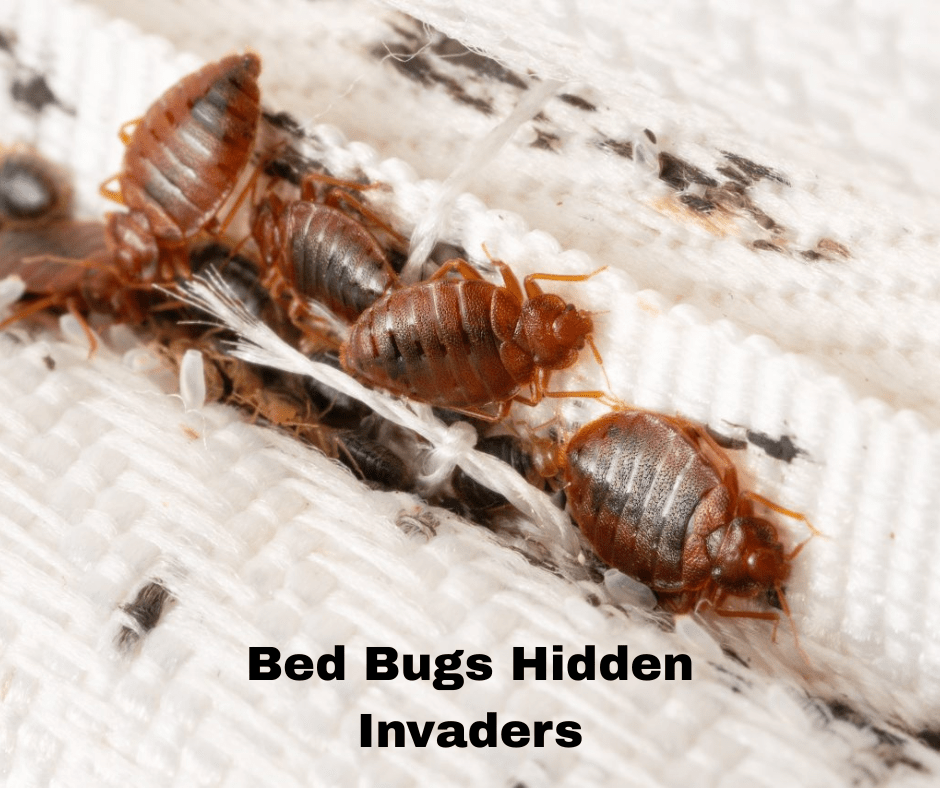
- Identify the Pest – Bed bugs are small, flat, and reddish-brown. If you can, place it in a sealed bag or jar for confirmation.
- Clean and Contain – Wash and dry affected items on high heat. Vacuum rugs, mattresses, and upholstered furniture, paying special attention to seams and crevices.
- Contact a Professional – If you suspect more than one bug, call a licensed pest control company experienced with bed bug removal.
The Bottom Line for This School Year
Bed bugs may be ancient pests—they’ve been following humans for over 60,000 years—but modern prevention and quick action can keep them from disrupting your home life. While schools do their part to manage sightings with targeted treatments and clear communication, parents can play a big role by staying alert, creating good daily habits, and avoiding unnecessary panic.
So as you send your kids off with sharpened pencils and packed lunches, add one more thing to your back-to-school checklist: a simple daily scan for hitchhikers. It’s a small step that could save you a major headache this year.
Sources:
Recent Bed Bug Incidents in Schools
- Simon Kenton Elementary, Springfield, Ohio –
Springfield News-Sun, “Simon Kenton Elementary takes action after bed bug report” (August 2025)
Link to article - Revere Public Schools, Massachusetts –
CBS Boston, “Revere schools alert parents after bed bugs found on students” (August 2025)
Link to article
Bed Bug Facts & Expert Guidance
- EPA Guidance on Bed Bugs in Schools –
U.S. Environmental Protection Agency, “Bed Bugs and Schools” (Updated 2024)
Link to article - NYC DOE Bed Bug Prevention Tips –
New York City Department of Education InfoHub, “Bed Bugs in Schools” (Accessed 2025)
Link to resource - Texas A&M AgriLife Extension – Bed Bugs in Schools –
CityBugs Fact Sheet ENT-3014, “Bed Bugs in Schools” (Revised 2023)
Link to fact sheet
Background & Seasonal Activity
- Peak Bed Bug Season –
Better Homes & Gardens, “Bed Bugs Are Most Active Right Now—These Tips Will Help You Avoid Them” (July 2025)
Link to article - History of Bed Bugs –
Tom’s Guide, “Research reveals bed bugs date back 60,000 years ago—tips to keep them out” (July 2025)
Link to article



 Pest Free Living
Leave a comment