Head Lice Back to School Guide 2025: Prevention, Detection & CDC Treatment Guidelines
Keywords: head lice school, CDC lice guidelines, head lice treatment, school lice policy, lice prevention tips, back to school lice, children head lice, lice detection signs
Table of Contents
- Understanding Head Lice: The Basics Every Parent Should Know
- Why Head Lice Are a Back-to-School Concern
- How Head Lice Spread in School Settings
- Signs and Early Detection of Head Lice
- What to Do When Your Child Brings Lice Home
- Step-by-Step Treatment Protocol
- CDC & AAP School Attendance Guidelines
- Debunking Common Head Lice Myths
- Prevention Tips That Actually Work
- Managing the Emotional Impact on Children
- When to Consult Healthcare Professionals
- Long-Term Prevention Strategies
- Final Thoughts for Parents
Understanding Head Lice: The Basics Every Parent Should Know
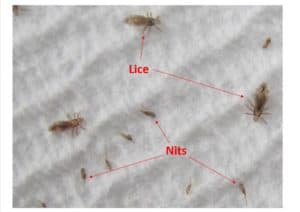
Head lice (Pediculus humanus capitis) are tiny, wingless insects that live exclusively on human hair and scalp. These parasites are about the size of a sesame seed and feed on small amounts of blood from the scalp several times a day (CDC).
Understanding the lice lifecycle is crucial for effective treatment:
- Eggs (nits): Laid close to the scalp, hatch in 7-9 days
- Nymphs: Baby lice that mature in 7-10 days
- Adults: Live 28-30 days on the head, die within 1-2 days off the host
This 3-week cycle explains why follow-up treatments are essential and why lice can seem to “return” if not properly addressed (Wikipedia).
Why Head Lice Are a Back-to-School Concern
Head lice infestations impact an estimated 6–12 million U.S. children aged 3–11 annually, with peak transmission occurring during the school year (CDC, Wikipedia).
Several factors make schools ideal environments for lice transmission:
- High population density in classrooms
- Frequent head-to-head contact during group activities
- Shared spaces like reading corners and play areas
- Children’s natural closeness during social interactions
The back-to-school period sees increased transmission as children from different households mix together after summer break, creating new opportunities for lice to spread through previously uninfected groups.
How Head Lice Spread in School Settings
Head lice transmission occurs primarily through direct head-to-head contact—the insects crawl from one head to another but cannot jump, hop, or fly (CDC, Wikipedia).
Primary Transmission Methods:
- Direct contact: During play, sports, or close conversations
- Shared sleeping areas: Sleepovers, camping trips, or rest time
- Group activities: Reading together, taking selfies, or hugging
Less Common (But Possible) Transmission:
- Shared personal items: Hats, hairbrushes, headphones, or hair accessories
- Fabric items: Pillows, upholstered furniture, or carpets (lice survive only 1-2 days off the head)
Important: Head lice are not related to personal hygiene—clean hair is actually easier for lice to grip than dirty hair (CDC).
Signs and Early Detection of Head Lice
Early detection significantly improves treatment outcomes and reduces spread. Parents should watch for these warning signs:
Primary Symptoms:
- Intense itching: Particularly around ears, nape of neck, and crown
- Tickling sensation: Feeling of something moving in the hair
- Irritability and difficulty sleeping: Due to increased nighttime lice activity
- Red bumps or sores: From scratching, especially on scalp, neck, and shoulders
Visual Signs:
- Live lice: Brown insects about the size of a sesame seed
- Nits (eggs): Yellow, brown, or tan oval shapes firmly attached to hair shafts
- Nit location matters: Nits within ¼ inch of scalp are likely viable; those farther away are often empty shells (CDC)
Detection Best Practices:
- Use proper lighting: Natural daylight or bright LED lighting
- Employ a fine-toothed lice comb: Metal combs work better than plastic
- Check systematically: Part hair in small sections, examining from scalp to tips
- Focus on hotspots: Behind ears, nape of neck, and crown area
- Perform regular checks: Weekly during school year, more frequently during outbreaks
What to Do When Your Child Brings Lice Home
Discovering lice can be overwhelming, but a systematic approach ensures effective treatment:
Immediate Steps:
- Stay calm: Lice are a nuisance, not a health threat (Vox, KAXE)
- Confirm the infestation: Look for live lice or nits close to the scalp
- Check all household members: Examine everyone who has had close contact
- Notify close contacts: Inform school, friends’ parents, and caregivers
- Begin treatment immediately: Don’t delay—start the same day if possible
Treatment Preparation:
- Choose appropriate treatment: Over-the-counter or prescription options
- Gather supplies: Fine-toothed comb, good lighting, hair clips
- Prepare the environment: Set up comfortable treatment area
- Plan timing: Allow 2-3 hours for thorough initial treatment
Step-by-Step Treatment Protocol
Phase 1: Initial Treatment
- Apply lice treatment product according to package directions
- Use systematic combing: Part hair in ¼-inch sections
- Remove all nits: Focus on those within ¼ inch of scalp
- Document progress: Take before/after photos for comparison
Phase 2: Environmental Management
- Wash bedding and clothing: Hot water (130°F+) and high heat drying
- Vacuum thoroughly: Focus on upholstered furniture, carpets, and car seats
- Seal non-washable items: Place in plastic bags for 48 hours
- Clean personal items: Soak combs/brushes in hot water (130°F) for 10 minutes
Phase 3: Follow-Up Care
- Daily combing: Continue for 2-3 weeks to catch newly hatched lice
- Second treatment: Apply 7-9 days after first treatment if using OTC products
- Monitor progress: Check for new live lice or nits near scalp
- Repeat environmental cleaning: Focus on frequently used items
Treatment Options:
- Over-the-counter: Pyrethrin-based shampoos (follow exact timing)
- Prescription: Malathion, benzyl alcohol, or newer treatments for resistant lice
- Alternative methods: Wet combing with conditioner (requires daily commitment)
CDC & AAP School Attendance Guidelines
Current medical guidelines have revolutionized school lice policies. According to the CDC, “students with head lice do not need to be sent home early. They can finish the school day, begin treatment at home, and return after treatment starts” (CDC, CDC Stacks).
Why Policies Changed:
The CDC, American Academy of Pediatrics (AAP), and National Association of School Nurses (NASN) recommend abandoning “no-nit” policies because:
- Lice are often present for weeks before detection
- Immediate exclusion doesn’t prevent spread effectively
- Educational disruption causes more harm than the lice themselves
- Stigma and anxiety can negatively impact children’s mental health
Current Best Practices:
- Allow completion of school day when lice are discovered
- Require treatment to begin before return to school
- Focus on education rather than exclusion
- Support families with resources and guidance
Research shows that children with lice have often been unknowingly spreading them for weeks, making immediate exclusion ineffective while causing unnecessary educational disruption (KAXE, Newsweek).
Debunking Common Head Lice Myths
Misinformation about lice creates unnecessary anxiety and ineffective treatments:
Myth vs. Reality:
- Myth: Lice jump or fly between heads
- Reality: Lice only crawl and require direct head contact (CDC)
- Myth: Dirty hair attracts lice
- Reality: Lice prefer clean hair that’s easier to grip (CDC)
- Myth: Pets can spread lice to humans
- Reality: Head lice are species-specific to humans (Wikipedia)
- Myth: You need to throw away everything
- Reality: Lice die within 1-2 days without a human host (CDC)
- Myth: Home remedies like mayonnaise or olive oil are effective
- Reality: These methods lack scientific evidence and may delay proper treatment
Prevention Tips That Actually Work
Personal Prevention Strategies:
- Teach children about personal space: Encourage avoiding head-to-head contact during play
- Use individual storage: Provide separate hooks/cubbies for hats and coats
- Tie up long hair: Secure hair in braids, buns, or ponytails
- Avoid sharing personal items: Hats, brushes, headphones, hair accessories
- Regular head checks: Weekly examination during school year
Family Prevention Habits:
- Clean combs and brushes: Soak in hot water (130°F) for 5-10 minutes weekly
- Educate all children: Age-appropriate discussions about lice prevention
- Maintain open communication: Encourage children to report head itching immediately
- Stay informed: Keep current on school outbreak notifications
Community Prevention:
- Support updated school policies: Advocate for evidence-based lice management
- Share accurate information: Combat myths with CDC-backed facts
- Reduce stigma: Treat lice as a common childhood occurrence, not a shame
Managing the Emotional Impact on Children
Head lice can cause significant emotional distress for children. Parents play a crucial role in maintaining their child’s emotional well-being:
Supporting Your Child:
- Stay calm and matter-of-fact: Your reaction sets the tone
- Explain it’s common: Many children get lice—it’s not their fault
- Focus on solutions: Emphasize that lice are treatable and temporary
- Maintain routines: Keep normal activities and schedules when possible
- Address concerns: Listen to fears about friends’ reactions or school
Preventing Shame and Stigma:
- Use neutral language: Avoid words like “disgusting” or “dirty”
- Educate siblings: Prevent teasing or exclusion within the family
- Communicate with school: Work together to minimize embarrassment
- Plan return to school: Discuss how to handle questions from classmates
Building Resilience:
- Teach problem-solving: Show children how challenges can be overcome
- Celebrate progress: Acknowledge cooperation during treatment
- Normalize the experience: Share that many families deal with lice
- Focus on learning: Turn it into a lesson about science and health
When to Consult Healthcare Professionals
While most lice cases can be managed at home, certain situations require medical attention:
Consult a Healthcare Provider When:
- Over-the-counter treatments fail after proper application
- Severe scalp irritation or signs of bacterial infection develop
- Child has asthma or allergies that may complicate treatment
- Multiple treatment failures suggest resistant lice
- Uncertainty about diagnosis: What looks like lice might be something else
Signs of Secondary Infection:
- Increased redness and swelling around scratch marks
- Pus or crusty yellow scabs on the scalp
- Red streaks extending from scratched areas
- Fever accompanying scalp symptoms
- Swollen lymph nodes in the neck area
Professional Treatment Options:
- Prescription medications: For resistant lice strains
- Professional lice removal services: Trained technicians with specialized tools
- Dermatologist consultation: For complex cases or skin complications
Long-Term Prevention Strategies
Seasonal Awareness:
- Back-to-school season: Increase vigilance in August/September
- Post-holiday periods: Check after family gatherings and sleepovers
- Spring outbreak season: Many schools see increases in March/April
- Summer camp preparation: Screen before and after camp attendance
Building Community Immunity:
- Encourage open communication: Reduce stigma that prevents reporting
- Support evidence-based policies: Advocate for updated school guidelines
- Share resources: Help other families access accurate information
- Participate in education: Attend school information sessions about lice management
Family Preparedness:
- Keep supplies on hand: Lice comb, treatment products, and cleaning supplies
- Maintain documentation: Track any previous treatments and their effectiveness
- Establish routines: Regular head checks and hair hygiene practices
- Stay informed: Keep current on new treatment options and recommendations
Final Thoughts for Parents
Head lice, while inconvenient, represent a manageable challenge that millions of families navigate successfully each year. The key to effective management lies in combining accurate information, prompt treatment, and emotional support for affected children.
Remember these essential points:
- Early detection leads to easier treatment and reduced spread
- Evidence-based treatment is more effective than home remedies
- School attendance policies have evolved based on scientific understanding
- Emotional support for children is as important as medical treatment
- Community cooperation helps reduce stigma and improve outcomes for all families
By staying informed about current CDC guidelines, maintaining regular prevention practices, and approaching lice with calm determination rather than panic, parents can minimize both the physical and emotional impact of head lice on their families.
The most important message for parents: head lice are a temporary inconvenience, not a reflection of family hygiene or parenting. With proper treatment and support, children can quickly return to their normal activities while building resilience and learning valuable lessons about health management.
Additional Resources
- CDC Head Lice Information: https://www.cdc.gov/lice/
- American Academy of Pediatrics Guidelines: Consult your pediatrician
- National Association of School Nurses: https://www.nasn.org/
- Local Health Department: Contact for community-specific guidance
Related Articles:
Back to School, Back to Bed Bugs? What Parents Need to Know This Year


 Pest Free Living
Leave a comment