When most homeowners think about termites, images of Southern mansions with crumbling foundations often come to mind. This regional stereotype has created a dangerous misconception that termites are exclusively a “Southern problem.” These termite season prevention tips for northern states can help homeowners avoid costly damage before infestations begin. The reality is far more alarming: termite season affects homes across the United States, extending well into Wisconsin, throughout the Northeast, and across the Northwest regions. As we move deeper into the warmer months, understanding the true scope of termite activity and knowing how to inspect your property becomes crucial for homeowners nationwide.
Breaking the Southern Myth
The belief that termites only thrive in warm, humid Southern climates is not just incorrect—it’s costly. This misconception has left millions of homeowners in northern states unprepared for termite infestations that can cause thousands of dollars in structural damage. While it’s true that certain termite species prefer warmer climates, several hardy species have adapted to survive and thrive in much cooler regions.
Subterranean termites, the most destructive and widespread termite species in North America, have established colonies as far north as southern Canada. These resilient insects have been documented in every state except Alaska, with significant populations throughout Wisconsin, Minnesota, Michigan, and extending into the Pacific Northwest. Eastern subterranean termites are particularly well-adapted to colder climates, surviving harsh winters by burrowing deeper into the soil where temperatures remain more stable.
Why This Time of Year Matters
Spring and early summer mark the beginning of what pest control professionals call “termite season.” As soil temperatures rise and moisture levels increase from spring rains, termite colonies become increasingly active. This period typically runs from March through June, though the exact timing varies by region and local weather patterns.
During termite season, established colonies begin producing winged reproductive termites called “swarmers” or “alates.” These winged termites emerge from mature colonies to mate and establish new colonies, making this the time of year when termite activity becomes most visible to homeowners. The warmer temperatures also increase the metabolic activity of existing colonies, leading to more aggressive feeding and tunnel construction.
Northern Termite Species: Adapted Survivors
The signs of Eastern subterranean termites in homes can be subtle, but recognizing them early is critical to preventing major structural damage. Several termite species have successfully colonized northern regions, each presenting unique challenges for homeowners. The Eastern subterranean termite ranges from southern Canada down to Florida and as far west as Utah. These termites have developed remarkable cold-weather adaptations, including the ability to move their colonies deeper underground during winter months and cluster together to conserve heat.
In the Pacific Northwest, both Eastern and Western subterranean termites pose significant threats to wooden structures. The region’s mild, wet winters provide ideal conditions for termite survival, while the abundant moisture supports year-round activity in many areas. Wisconsin and surrounding Midwest states deal primarily with Eastern subterranean termites, which remain active in heated structures even during harsh winters.
How to Identify Termite Damage in Cold Climates: Key Inspection Tips
Learning how to identify termite damage in cold climates is essential for homeowners who assume winter weather offers protection. Here’s what homeowners should look for during their property assessment:
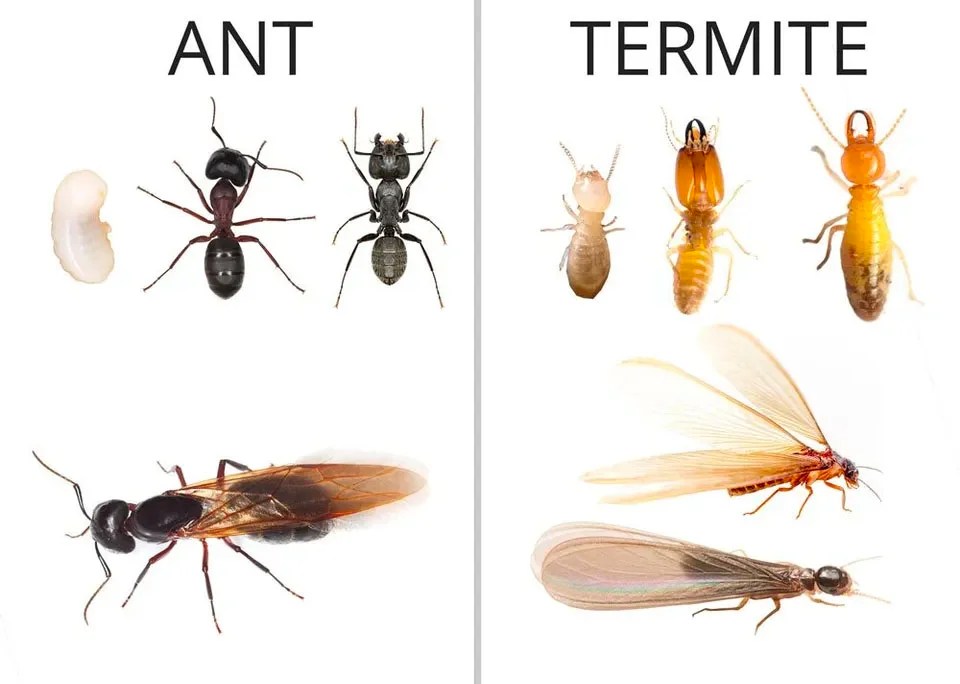
Termite Swarmers vs Flying Ants Identification Guide
A clear termite swarmers vs flying ants identification guide can help you avoid misdiagnosing the problem and delaying treatment. Swarmers are often mistaken for flying ants, but termites have straight antennae, equal-length wings, and a broad waist, while ants have bent antennae, unequal wings, and a narrow waist. Look for discarded wings near windowsills, doorways, and light sources where swarmers are attracted.
Mud Tubes: Subterranean termites construct pencil-thin mud tubes to travel between their underground colonies and wooden food sources. These tubes appear as brown, dried mud pathways along foundation walls, basement walls, and other surfaces connecting soil to wood. Check carefully around foundation perimeters, basement stairs, and areas where utilities enter the home.
Wood Damage: Termite-damaged wood sounds hollow when tapped and may appear normal on the surface while being completely hollowed out inside. Use a screwdriver or similar tool to probe suspect areas gently. Damaged wood will feel soft and may crumble easily. Pay special attention to areas where wood contacts soil or concrete.
Frass: Drywood termites, while less common in northern regions, leave behind small piles of pellet-like droppings called frass. These tiny pellets are usually found near wooden structures and indicate active feeding.
High-Risk Areas to Inspect
Focus your inspection efforts on areas where termites are most likely to gain entry or establish feeding sites. Foundation walls, especially where wood siding or trim meets concrete, deserve careful attention. Basement areas, crawl spaces, and areas around plumbing or utility penetrations provide common entry points.
Wooden structures in contact with soil, including deck posts, fence posts, and stored firewood, create direct pathways for termite access. Moisture-damaged areas around leaky pipes, roof lines, or poor drainage zones attract termites seeking the humid conditions they prefer.
Professional vs. DIY Inspections
While homeowner inspections are valuable for early detection, professional termite inspections provide comprehensive assessment capabilities beyond what most homeowners can achieve. The best time of year for professional termite inspection is during peak termite season, when activity is most visible and damage is easier to detect. Professional inspectors use specialized tools like moisture meters, infrared cameras, and acoustic devices to detect hidden activity. They also understand the specific termite species common to your region and their preferred habitats.
Annual professional inspections are recommended for all homeowners, regardless of location. In high-risk areas or homes with previous termite activity, more frequent inspections may be necessary.Scheduling during the best time of year for professional termite inspection can help identify infestations before they spread.
Taking Action
If you discover signs of termite activity during your inspection, immediate professional consultation is essential. Early intervention can prevent extensive structural damage and reduce treatment costs significantly. Document any findings with photographs and contact local pest control professionals who specialize in termite management.
Remember that termite damage occurs gradually over months or years, but the financial impact can be devastating. Most homeowner’s insurance policies don’t cover termite damage, making prevention and early detection your primary defense against these destructive pests.
As termite season peaks across the nation—from Wisconsin’s lake country to the forests of Maine and the rain-soaked Northwest—homeowners everywhere must abandon the myth that termites are someone else’s problem. Your home, regardless of location, deserves the protection that comes with knowledge, vigilance, and prompt action against these silent destroyers.
“By following proven termite season prevention tips for northern states, you can safeguard your home year-round.”




 Pest Free Living
Leave a comment