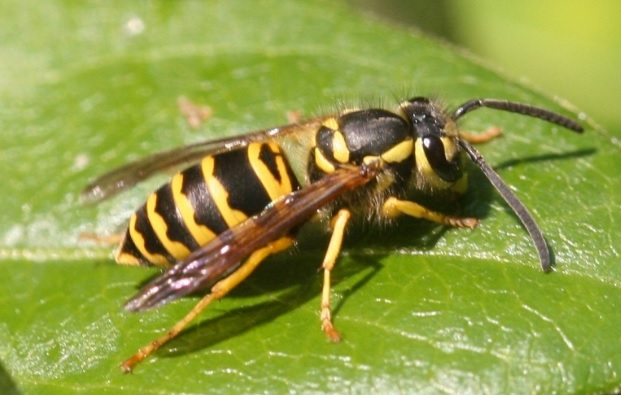

Yellow jackets are one of the most aggressive types of wasps, and their stings can be painful and dangerous for people allergic to their venom. Despite their reputation, yellow jackets serve an important role in the ecosystem: they pollinate flowers and help control insect populations. The goal, then, isn’t to destroy them—but to keep them at a safe distance from your home and outdoor spaces.
Here’s a detailed guide on how to make your yard and living areas less attractive to yellow jackets, while still respecting their place in nature.
1. Install Decoy Nests
Yellow jackets are territorial insects. Typically, one colony won’t build a nest within a few hundred feet of another. By setting up a decoy nest in your yard—purchased online or made from paper bags or newspaper—you can trick yellow jackets into thinking the space is already occupied.
Tips:
- Place decoy nests early in spring before colonies become established.
- Hang them around high-traffic areas like patios, decks, or play areas.
- Replace them yearly for maximum effectiveness.
This simple step reduces the chance of a new colony moving in too close for comfort.
2. Clean Up Yard Debris
Yellow jackets often nest in dark, sheltered places such as piles of leaves, logs, or brush. A yard cluttered with debris provides endless hiding and nesting spots.
Action Steps:
- Regularly rake leaves and remove fallen branches.
- Store firewood at least 20 feet from the house and off the ground.
- Clear brush piles promptly instead of leaving them to sit.
By eliminating these natural shelters, you cut down on the likelihood of ground or hidden nests forming in your yard.
3. Seal Cracks and Crevices
These wasps can squeeze into surprisingly small openings to build nests inside walls, attics, and crawl spaces. A small crack in your siding or foundation can quickly turn into a buzzing problem.
Prevention Checklist:
- Inspect your home’s exterior for gaps, cracks, or loose siding.
- Seal gaps with weatherproof caulk or foam insulation.
- Repair torn screens on windows, vents, and doors.
- Install mesh coverings over attic or vent openings.
Taking time to “yellow jacket-proof” your home helps prevent nests from forming where you can’t easily reach them.
4. Move Flowering Plants Away from Living Spaces
Yellow jackets feed on nectar and are naturally attracted to flowering plants. While you don’t want to eliminate flowers (since they’re important for pollinators), placement matters.
Pro Tips:
- Keep brightly colored flowers and fragrant plants away from patios, entryways, and play areas.
- Plant them toward the edges of your yard instead.
- Use potted plants strategically—enjoy flowers without luring wasps right to your table.
This way, you still support pollinators while discouraging yellow jackets from mingling with your guests.
5. Clean Up Food and Drink Spills
One of the biggest attractions for yellow jackets is food—especially sugary drinks and protein scraps. They scavenge aggressively, particularly in late summer when natural food sources decline.
What to Do:
- Keep outdoor eating areas free of spills and crumbs.
- Use covered trash bins and empty them regularly.
- Store pet food indoors or bring it inside immediately after meals.
- Rinse empty soda cans, bottles, or juice containers before tossing them.
This step is crucial during barbecues, picnics, or pool parties when yellow jackets are most active.
6. Use Yellow Jacket Traps
Traps work best when deployed in early spring to capture queens before they establish nests. Throughout the summer, traps can still help reduce the population near your home.
Options:
- Buy pre-made traps with attractant baits.
- Make DIY traps using sugar water, vinegar, and dish soap in a bottle.
- Place traps on the edges of your yard—not near where people gather.
Traps reduce the number of wasps buzzing around without disrupting pollination happening farther away.
7. Spray an Essential Oil Blend
Certain essential oils are natural yellow jacket repellents, including clove, lemongrass, geranium, peppermint, and eucalyptus.
DIY Repellent Spray:
- Mix 10–15 drops of essential oil in a spray bottle with water.
- Add a few drops of dish soap to help it stick to surfaces.
- Spray on outdoor furniture, railings, door frames, and near entry points.
Not only does this create a protective barrier, but it also leaves your outdoor space smelling fresh.
8. Hang Mesh Bags With Natural Deterrents
You can make inexpensive repellents by filling mesh bags with natural substances yellow jackets dislike, such as:
- Cucumber peels
- Garlic cloves
- Bay leaves
- Mint sprigs
Hang these bags near doorways, patios, or picnic tables to create a barrier of scents wasps prefer to avoid.
9. Use Citronella Candles or Motion-Activated Sprinklers
For short-term protection, citronella candles help mask food and floral scents that attract yellow jackets. While not foolproof, they’re a useful addition during outdoor meals.
For a longer-term solution, motion-activated sprinklers deter yellow jackets by startling them with sudden sprays of water. This also keeps other pests like raccoons, deer, and stray cats away from your yard.
10. Maintain Your Yard with Preventive Measures
Finally, consistent yard care is one of the most effective long-term strategies. A clean, well-kept yard is far less attractive to wasps.
Maintenance Habits:
- Mow the lawn regularly.
- Trim hedges and bushes.
- Avoid leaving standing water where yellow jackets can drink.
- Plant herbs like mint, citronella, and lemongrass that naturally repel wasps.
This layered approach helps reduce the overall wasp presence without eliminating beneficial insects entirely.
Why It Matters
The goal isn’t to wipe out yellow jackets—they play an important role as pollinators and insect predators. By using preventive steps, natural repellents, and strategic deterrents, you create a safer outdoor environment for your family while still respecting the balance of nature.
Sources:
- The Spruce – How to Keep Yellow Jackets Away
- Real Simple – How to Get Rid of Ground Wasps
- Aromatic Studies – Natural Solutions for Yellow Jackets


 Pest Free Living
Leave a comment