Imagine walking into a grocery store where 75% of the produce section is empty. No apples, almonds, blueberries, or avocados. No coffee or chocolate. This isn’t science fiction—it’s the reality we face if current pollinator extinction rates continue.
As we navigate through 2025, the pollinator crisis has reached unprecedented levels. With over 35% of global food production dependent on animal pollinators, their rapid decline threatens not just biodiversity, but human survival itself. Recent reports reveal alarming new threats: microplastics in bee colonies, light pollution disrupting nocturnal pollinators, and even warfare destroying critical habitats.
This comprehensive guide explores the top pollinator species, the accelerating causes behind their extinction, and the catastrophic consequences awaiting humanity if we fail to act now.
The World’s Most Critical Pollinators: Meet Nature’s Food Security Team
1. Bees: The Pollination Powerhouses
Bees reign supreme among pollinators, with over 20,000 species worldwide performing the majority of agricultural pollination. Honey bees (Apis mellifera) handle commercial crops like almonds and apples, while wild species including bumble bees excel through specialized techniques like “buzz pollination”—vibrating their flight muscles to release pollen from tomatoes, blueberries, and eggplants.
Key stats:
- Responsible for pollinating 80% of flowering plants
- Generate $15 billion annually in U.S. crop value
- Single colony can visit 2 million flowers daily
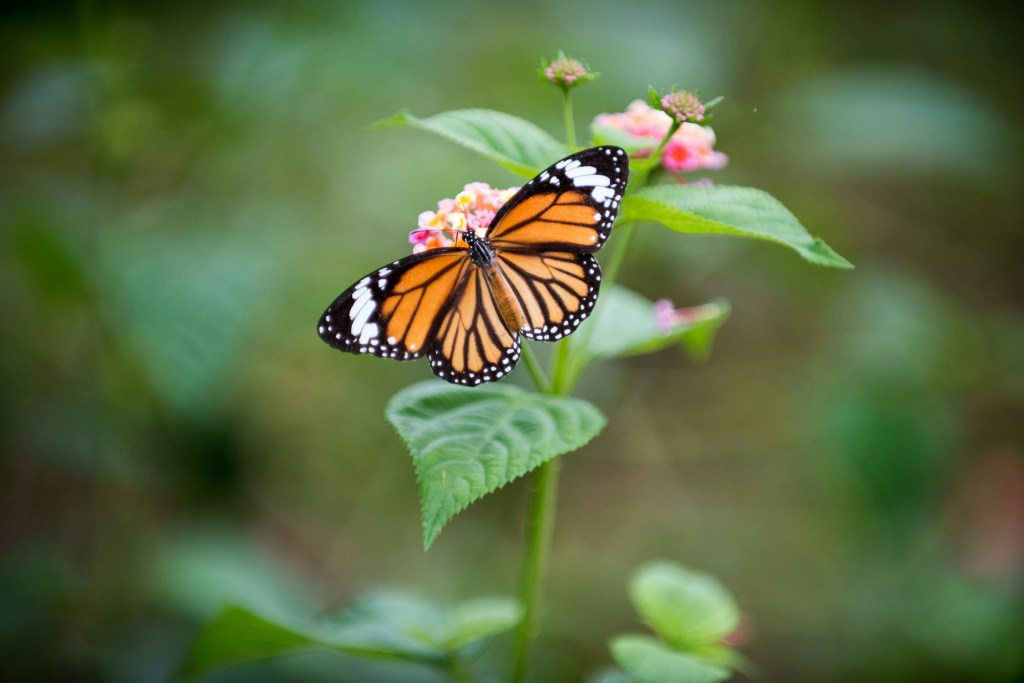
2. Butterflies and Moths: The Night and Day Shift
These lepidopterans work around the clock. Butterflies like monarchs pollinate during daylight hours, their legs and bodies collecting pollen as they feed. Moths, often overlooked, handle night shift duties, pollinating evening-blooming plants like yucca and tobacco with their elongated proboscis reaching deep flowers other insects cannot access.
3. Flies: The Underestimated Heroes
Ranking as the second most important pollinator group, flies include hoverflies that mimic bees and bee flies that excel in cooler climates where bees remain inactive. In Arctic regions, flies perform up to 80% of pollination services, making them irreplaceable in global food systems.
4. Beetles: Ancient Pollinators Still at Work
With 350,000 species, beetles represent the most numerous insect pollinators. These ancient workers have co-evolved with plants for millions of years, specializing in primitive flowers like magnolias and water lilies. While less efficient than bees, their sheer diversity makes them crucial backup pollinators.
5. Bats: Tropical Powerhouses
Fruit bats and nectar-feeding bats pollinate over 500 plant species, including economically important crops like agave (tequila production), durian, and wild bananas. In tropical rainforests, they’re essential for both pollination and seed dispersal, maintaining forest diversity.
6. Birds: Precision Pollinators
Hummingbirds in the Americas and sunbirds in Africa and Asia target bright, tubular flowers. Hummingbirds alone pollinate thousands of plant species, hovering with precision to access nectar while transferring pollen on their bills and heads.
The Perfect Storm: Why Pollinators Face Mass Extinction in 2025
Recent data reveals that over 20% of native North American pollinators face elevated extinction risk. The causes form an interconnected web of human-induced threats:
Habitat Destruction: The Primary Killer
Agricultural expansion and urbanization eliminate 2.7 million acres of pollinator habitat annually in the U.S. alone. Monoculture farming replaces diverse wildflower meadows with single crops, creating “food deserts” where pollinators starve between bloom periods.
Chemical Warfare: Pesticides and Pollution
Neonicotinoid pesticides act as neurotoxins, impairing bee navigation and memory. New 2025 research reveals microplastics in 78% of bee colonies, causing digestive blockages and immune system failures. Light pollution disrupts nocturnal pollinators, with artificial lighting reducing moth populations by 40% near urban areas.
Climate Change: Timing Mismatches
Rising temperatures create phenological mismatches—flowers bloom before pollinators emerge or after they’ve finished their life cycles. Extreme weather events destroy nesting sites, while shifting temperature zones force species into unfamiliar territories with new predators and diseases.
Parasites and Diseases: The Hidden Epidemic
Varroa mites devastate honey bee colonies, with 2025 reports showing 60-100% losses in severely affected regions. These parasites spread deformed wing virus and other pathogens that jump between wild and managed bee populations, creating disease reservoirs.
Emerging Threats: War and Invasion
Armed conflicts destroy ecosystems through bombing and chemical weapons, as documented in recent war zones. Invasive species like Asian giant hornets decimate native bee populations, while overharvesting of wild honey reduces genetic diversity.
The Extinction Domino Effect: How Pollinator Loss Threatens Human Civilization
Food System Collapse
Complete pollinator loss would trigger 187% price increases in affected crops, making nutritious foods unaffordable for billions. Vitamin A deficiency would skyrocket as carrot, sweet potato, and leafy green production plummets. Protein sources would dwindle as livestock feed crops like alfalfa require pollination.
Economic impact:
- $235 billion annual global crop value at risk
- 1.4 billion jobs in agriculture threatened
- Food security compromised for 3 billion people
Ecosystem Breakdown
Pollinators support 90% of wild flowering plants. Their extinction would trigger cascading failures:
- Reduced plant diversity destabilizes food webs
- Soil erosion increases without deep-rooted plants
- Carbon sequestration drops as forests decline
- Water cycles disrupted by vegetation loss
Social and Cultural Devastation
Beyond economics, pollinator extinction would erase cultural traditions centered on honey festivals, butterfly migrations, and flowering seasons. Indigenous communities dependent on wild plants for medicine and ceremony would lose irreplaceable resources.
Migration and conflict would intensify as agricultural regions become uninhabitable, creating climate refugees and resource wars.
Solutions That Work: Proven Strategies to Save Pollinators
Individual Actions with Collective Impact
Create pollinator gardens with native plants that bloom sequentially through growing seasons. Eliminate pesticide use in home landscapes and choose organic products when shopping. Support local beekeepers and pollinator-friendly farms through purchasing decisions.
Policy and Conservation Solutions
Governments must ban harmful pesticides, protect habitat corridors, and fund pollinator research. Urban planning should mandate green spaces and pollinator pathways. International cooperation on migratory species protection remains crucial.
Technology and Innovation
Precision agriculture reduces pesticide applications while habitat restoration technology accelerates native plant establishment. Pollinator monitoring systems track population health in real-time, enabling rapid response to threats.
The Time to Act Is Now: Our Species Depends on Theirs
The pollinator crisis of 2025 represents a crossroads for human civilization. We possess the knowledge and tools to reverse these trends, but action must be immediate and widespread. Every garden planted, every pesticide avoided, and every policy supported brings us closer to a future where both pollinators and humans thrive.
The buzz of bees and flutter of butterflies aren’t just pleasant sounds—they’re the soundtrack of our survival. Let’s ensure future generations can hear them too.
Additional Reading
Your Food is Disappearing: The Hidden Crisis That Could Empty Your Grocery Cart
The Silent Crisis: We’re About to Lose 70% of America’s Honeybees
Climate Change Is Making Pests a Growing Threat to Humans and Animals
Sources and References
- IPBEhttps://www.ipbes.net/global-assessmentS (2019). Global Assessment Report on Biodiversity and Ecosystem Services. Intergovernmental Science-Policy Platform on Biodiversity and Ecosystem Services.
- Potts, S.G., Imperatriz-Fonseca, V., Ngo, H.T., et al. (2016). “Safeguarding pollinators and their values to human well-being.” Nature, 540(7632), 220-229.
- Hallmann, C.A., Sorg, M., Jongejans, E., et al. (2017). “More than 75 percent decline over 27 years in total flying insect biomass in protected areas.” PLOS ONE, 12(10), e0185809.
- Goulson, D., Nicholls, E., Botías, C., & Rotheray, E.L. (2015). “Bee declines driven by combined stress from parasites, pesticides, and lack of flowers.” Science, 347(6229), 1255957.
- Klein, A.M., Vaissière, B.E., Cane, J.H., et al. (2007). “Importance of pollinators in changing landscapes for world crops.” Proceedings of the Royal Society B, 274(1608), 303-313.
- Vanbergen, A.J. (2013). “Threats to an ecosystem service: pressures on pollinators.” Frontiers in Ecology and the Environment, 11(5), 251-259.
- Sánchez-Bayo, F., & Wyckhuys, K.A.G. (2019). “Worldwide decline of the entomofauna: A review of its drivers.” Biological Conservation, 232, 8-27.
- United States Department of Agriculture (2024). “Honey Bee Colonies Report.” National Agricultural Statistics Service.
- International Union for Conservation of Nature (2025). “Red List of Threatened Species: Pollinator Assessment Update.” IUCN Global Species Programme.
- Cardoso, P., Barton, P.S., Birkhofer, K., et al. (2020). “Scientists’ warning to humanity on insect extinctions.” Biological Conservation, 242, 108426.
- Gallai, N., Salles, J.M., Settele, J., & Vaissière, B.E. (2009). “Economic valuation of the vulnerability of world agriculture confronted with pollinator decline.” Ecological Economics, 68(3), 810-821.
- Owens, A.C.S., Cochard, P., Durrant, J., et al. (2020). “Light pollution is a driver of insect declines.” Biological Conservation, 241, 108259.


 Pest Free Living
Leave a comment