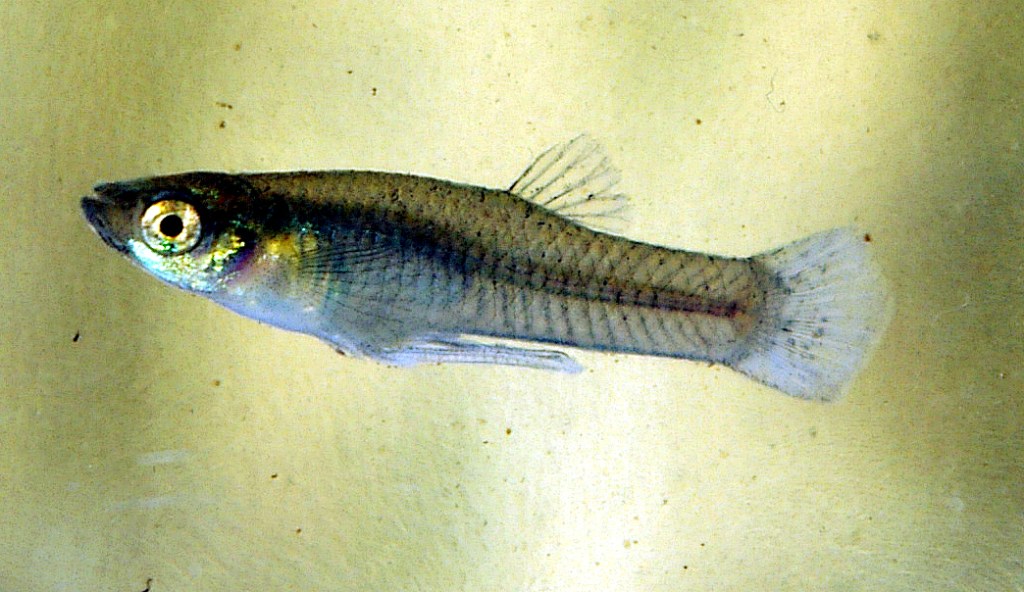
Mosquitoes are far more than just a summer nuisance—they represent one of the most significant public health threats worldwide. As climate change expands mosquito habitats and breeding seasons, communities across the United States are discovering that traditional chemical control methods aren’t always sufficient. Enter mosquitofish, nature’s own mosquito elimination specialists, offering a powerful, sustainable solution to combat these dangerous disease vectors.
The Hidden Danger: Why Mosquito Control Is Critical for Public Health
Mosquitoes kill more people annually than any other animal on Earth, transmitting deadly diseases that affect millions worldwide. In the United States alone, mosquito-borne illnesses are rapidly increasing, with West Nile virus, dengue fever, Zika virus, and chikungunya becoming growing concerns for public health officials.
West Nile virus, first detected in the U.S. in 1999, now appears in all 48 contiguous states. The Centers for Disease Control and Prevention reports thousands of cases annually, with severe neurological complications affecting hundreds of victims. Eastern Equine Encephalitis, though less common, carries a staggering 33% fatality rate, making every mosquito bite a potential life-threatening encounter.
Climate change has extended mosquito breeding seasons and expanded their geographic range, bringing tropical disease vectors like Aedes aegypti mosquitoes—carriers of dengue, Zika, and yellow fever—into previously temperate regions. Florida has already experienced local transmission of dengue fever, while Texas has recorded Zika transmission, signaling a concerning trend of tropical diseases establishing footholds in American communities.
The economic impact is equally staggering. Mosquito-borne diseases cost the U.S. healthcare system billions annually in treatment, prevention programs, and lost productivity. Communities spend millions on chemical spraying programs, vector control initiatives, and emergency response measures when disease outbreaks occur.
Mosquitofish: The Ultimate Biological Control Agent
Mosquitofish (Gambusia affinis) represent one of nature’s most efficient predator-prey relationships. These small, unassuming fish are legendary for their appetite for mosquito larvae, consuming up to 500 larvae per day per adult female. Unlike chemical treatments that require repeated applications and can harm beneficial insects, mosquitofish provide continuous, 24/7 mosquito control without environmental side effects.
The effectiveness of mosquitofish stems from their specialized feeding behavior. They actively hunt mosquito larvae at the water’s surface, precisely where mosquitoes lay their eggs and larvae develop. This targeted predation breaks the mosquito life cycle at its most vulnerable stage, preventing adult mosquitoes from ever emerging to bite humans and transmit diseases.
Research conducted by mosquito control districts nationwide consistently demonstrates mosquitofish effectiveness. Studies show that properly stocked water bodies can experience 95% reductions in mosquito larvae populations within weeks of fish introduction. This dramatic impact translates directly into fewer disease-carrying adult mosquitoes in surrounding communities.
The Science of Mosquito Larvae Predation
Understanding mosquito biology reveals why mosquitofish are so effective. Female mosquitoes require standing water to lay eggs, depositing them in everything from ornamental ponds and retention basins to neglected swimming pools and clogged gutters. These eggs hatch into larvae that must remain in water for 7-10 days before emerging as flying adults.
Mosquitofish exploit this vulnerable aquatic stage with remarkable efficiency. Their surface-feeding behavior perfectly matches mosquito larval habitat, and their reproductive capacity allows fish populations to expand rapidly in response to abundant food sources. Adult mosquitofish can survive in diverse water conditions, from ornamental garden ponds to utility retention areas, making them adaptable to various urban and suburban environments.
The timing advantage is crucial for disease prevention. By eliminating larvae before they mature into biting adults, mosquitofish prevent disease transmission at its source. A single adult female mosquito can lay 100-300 eggs per batch and produce multiple broods throughout the season, meaning each larva consumed by mosquitofish prevents hundreds of potential disease vectors.
Environmental and Economic Benefits of Biological Control
Mosquitofish offer significant advantages over chemical mosquito control methods. Traditional pesticide applications raise concerns about pollinator health, aquatic ecosystem damage, and human exposure risks. Chemical treatments also require repeated applications throughout mosquito season, creating ongoing costs and environmental impacts.
Biological control with mosquitofish eliminates these concerns while providing superior long-term effectiveness. Once established, mosquitofish populations are self-sustaining, requiring no ongoing chemical inputs or repeated treatments. They integrate seamlessly into aquatic ecosystems, consuming other pest insects and organic debris while improving overall water quality.
The economic benefits extend beyond reduced pesticide costs. Communities using mosquitofish report decreased healthcare costs related to mosquito-borne illnesses, reduced emergency vector control expenses, and lower liability exposure from chemical spray programs. Property values near well-managed water features with effective mosquito control often exceed comparable areas with persistent mosquito problems.
Mosquitofish also support sustainable landscaping and water feature management. Homeowners can maintain decorative ponds, water gardens, and retention areas without creating mosquito breeding sites, enhancing property aesthetics while protecting public health.
Implementing Effective Mosquitofish Programs
Successful mosquito control with mosquitofish requires understanding proper stocking rates and habitat management. Water features need adequate oxygen levels, some vegetation for fish shelter, and temperatures above 50°F for optimal fish survival and reproduction.
Stocking rates typically range from 2-5 fish per 100 square feet of water surface, depending on mosquito pressure and water feature characteristics. Overstocking can stress fish populations and reduce effectiveness, while understocking may not provide adequate mosquito control.
Many municipalities and counties across the United States now offer free mosquitofish to residents with appropriate water features. These programs typically include education about proper fish care, optimal placement strategies, and integrated mosquito management techniques.
The Future of Mosquito-Borne Disease Prevention
As climate change continues expanding mosquito habitats and disease ranges, communities need sustainable, effective control strategies that protect both human health and environmental integrity. Mosquitofish represent a proven, time-tested solution that addresses root causes rather than symptoms.
Public health officials increasingly recognize that preventing mosquito-borne disease requires integrated approaches combining habitat modification, biological control, and targeted chemical treatments only when necessary. Mosquitofish anchor these integrated programs by providing consistent, chemical-free larvae control in water features where traditional treatments may be inappropriate or ineffective.
The growing availability of free mosquitofish through municipal programs demonstrates increasing recognition of their value for community health protection. These initiatives represent smart public health investments, providing residents with tools to protect themselves and their neighbors while reducing community-wide disease transmission risks.
Taking Action Against Mosquito-Borne Disease
The threat of mosquito-borne disease in America is real and growing, but solutions exist for communities willing to embrace proven biological control methods. Mosquitofish offer homeowners and communities a powerful tool to protect public health while supporting environmental sustainability.
Whether you’re managing ornamental water features, retention ponds, or other standing water areas, mosquitofish provide unmatched mosquito control effectiveness without the ongoing costs and environmental concerns of chemical treatments. As disease-carrying mosquitoes expand their range and extend their seasons, these remarkable fish represent our best defense against nature’s deadliest predator.
Don’t wait for mosquito-borne disease to reach your community. Contact your local mosquito control district or county health department to learn about mosquitofish availability and start protecting your family and neighbors from these dangerous disease vectors today.
Resources:
University of Florida IFAS Extension – Eastern Mosquitofish for Control
Rutgers University – Gambusia Affinis Effectiveness in New Jersey
American Mosquito Control Association – Vector-borne Diseases


 Pest Free Living
Leave a comment