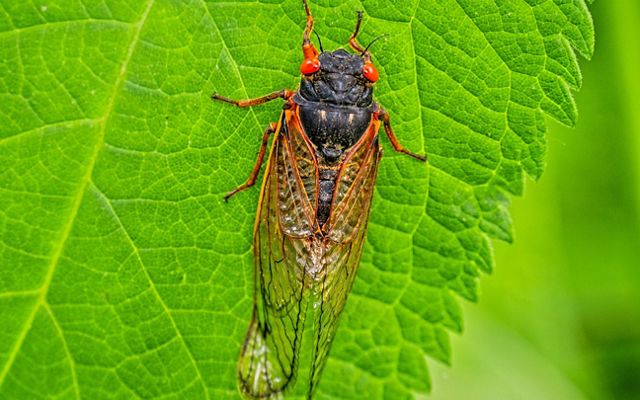
Cicadas are one of nature’s most fascinating—and sometimes misunderstood—creatures. Known for their loud, buzzing calls that fill summer air, these insects have captured human curiosity for centuries. Beyond their unique sounds, cicadas are often associated with folklore about predicting frost, winter, and seasonal changes. Let’s take a closer look at how cicadas live, why they sing, and whether their songs can really forecast the weather.
The Cicada Life Cycle
Cicadas have one of the most unusual and fascinating life cycles in the insect world. Unlike many insects that live for only a single season, cicadas spend the majority of their lives underground before emerging for a brief but dramatic finale above ground. Their life cycle is divided into four main stages: egg, nymph, emergence, and adult.
1. Egg Stage
After mating, female cicadas use a sharp, needle-like structure called an ovipositor to cut small slits into tree branches. They lay their eggs in these grooves, usually in clusters of dozens at a time.
- A single female can lay hundreds of eggs in her short lifetime.
- After about 6 to 10 weeks, the tiny eggs hatch, and the newborn nymphs drop to the ground.
2. Nymph Stage
Once they fall, cicada nymphs burrow underground, where they will spend most of their lives.
- Nymphs survive by feeding on sap from tree roots, using specialized mouthparts to tap into the fluid.
- During this stage, they grow slowly and molt several times as they mature.
- Depending on the species, they may remain underground for anywhere from 2 years to a staggering 17 years—a survival strategy that helps them avoid predators by emerging in unpredictable, massive swarms.
3. Emergence
When the soil temperature reaches about 64°F in late spring or early summer, the nymphs know it’s time. They dig their way to the surface, leaving behind tiny holes that look like miniature craters in the ground.
- They often emerge in the evening or at night, when the cooler temperatures and darkness offer some protection from predators.
- Once above ground, they climb trees, fences, or any nearby vertical surface. There, they shed their nymphal skin in a process called molting, revealing their soft, pale adult bodies. Within hours, their exoskeleton hardens and their wings expand.
4. Adult Stage
The adult cicada’s time in the sun is short-lived—just 3 to 6 weeks. During this time:
- Males sing to attract females, filling the air with their iconic buzzing chorus.
- After mating and egg-laying, the adults die, completing the cycle.
- Their bodies decompose and return nutrients to the soil, enriching the very trees that supported them during their underground years.
Annual vs. Periodical Cicadas
Not all cicadas follow the same timetable.

- Annual cicadas (sometimes called “dog-day cicadas”) appear every summer. Their life cycle is shorter, typically 2 to 5 years, but because populations overlap, we see them annually.
- Periodical cicadas are the real showstoppers. Emerging only once every 13 or 17 years, they come out in staggering numbers—sometimes millions per acre—creating one of the most dramatic natural spectacles on Earth.
👉 The cicada life cycle is a perfect balance of patience and urgency. They spend years hidden underground, only to burst forth for a fleeting summer moment filled with song, reproduction, and renewal. It’s a reminder of how nature works on rhythms far greater than our day-to-day lives.
Why Cicadas Sing
The buzzing chorus of cicadas is one of the most recognizable sounds of summer. While it may seem like a constant drone, these sounds actually serve very specific purposes in the cicada’s short adult life.
1. Courtship Calls
The main reason cicadas sing is to attract mates.
- Males Only: Male cicadas produce calls using structures called tymbals, which are ribbed membranes on either side of their abdomen. By contracting and releasing powerful muscles, they cause the tymbals to buckle in and out, creating sound vibrations.
- Species-Specific Songs: Each species of cicada has its own distinct rhythm, pitch, and pattern. This helps females identify the correct male to mate with, avoiding confusion among the many species that often emerge at the same time.
- Female Response: While males do the singing, females communicate back with a soft clicking sound made by flicking their wings. This back-and-forth creates a kind of duet that helps them find one another.
2. Different Types of Calls
Cicadas don’t just sing one note—they have different calls for different situations:
- Calling Song: Used to attract females from a distance.
- Courtship Song: Softer and more nuanced, used when a female is nearby.
- Distress Call: A harsher, rapid sound produced when a cicada is grabbed by a predator, possibly startling the attacker and buying time to escape.
3. Why They’re So Loud
Cicadas are among the loudest insects in the world, with some species producing sounds over 100 decibels—about as loud as a motorcycle engine.
- Their bodies act like natural resonating chambers, amplifying the vibrations.
- Large groups of cicadas often synchronize their calls, creating a deafening chorus that can be heard from miles away.
- The volume not only helps males stand out but may also deter predators by overwhelming their senses.
4. The Role of Temperature and Time of Day
Cicada songs are influenced by the environment:
- They sing the loudest during the heat of the day, when their muscles warm up and can contract faster.
- In cooler weather or in the evening, their calls slow down or stop altogether.
- Scientists even use cicada calls as a natural thermometer—certain species’ call rates increase in predictable patterns with rising temperatures.
5. The Bigger Picture
To humans, cicada songs might sound like a noisy background track to summer. But for cicadas, it’s a life-or-death mission. With only a few weeks to live above ground, every note counts. Their songs are the soundtrack of survival, ensuring their ancient, cyclical life cycles continue for generations to come.
Cicadas and Weather Folklore
For generations, people have looked to cicadas as natural weather predictors.
- Predicting Frost: Old folklore suggests that the timing of cicada songs signals when the first frost will arrive. Some say you can count six weeks from the first songs of the dog-day cicadas (annual cicadas that appear every summer) to estimate the first frost.
- Predicting Winter’s Severity: Similar to woolly bear caterpillars, cicadas have been said to foretell harsh or mild winters based on when they appear or how loud they sing.
What Science Says
While cicadas don’t actually forecast the weather, their behavior is tied to temperature and soil conditions. They emerge when the ground is warm enough, and their songs vary with heat and humidity. This may explain why people have long connected cicadas with seasonal change—they are simply responding to the same environmental cues that shape upcoming weather.
Why Cicadas Matter
While cicadas may sometimes feel like a noisy nuisance, they actually play an essential role in the ecosystem. Far from being just background summer noise, these insects contribute to the health of forests, soils, and even the larger food chain.
1. Soil Aeration and Enrichment
Cicada nymphs spend years underground, slowly feeding on tree root fluids. As they burrow and tunnel, they naturally aerate the soil, improving water flow and root growth for surrounding plants. When they finally emerge in massive numbers, their abandoned tunnels leave behind air pockets that benefit trees and vegetation.
Once cicadas die, their bodies break down and release nitrogen and other nutrients back into the earth—essentially acting as a natural fertilizer that boosts plant health.
2. A Feast for Wildlife
Cicadas provide an incredible food source for countless animals. Birds, reptiles, fish, mammals, and even other insects take advantage of their abundance during emergence years. For many species, cicadas act as a population booster, since the sudden surge in food supply helps wildlife thrive and raise more young.
In fact, cicadas are sometimes referred to as a “predator buffer”: because there are so many of them, predators can’t possibly eat them all. This ensures enough cicadas survive to reproduce, while also giving other prey species a break from being hunted.
3. Tree Pruning and Growth
When female cicadas lay their eggs, they cut small slits into tree branches. While this might sound harmful, it can actually serve as a form of natural pruning for trees, encouraging new growth and shaping forest development.
4. Human and Cultural Value
Cicadas aren’t just important for nature—they hold significance for people, too:
- Culinary Use: In many cultures, cicadas are considered a delicacy, eaten roasted, fried, or even dipped in chocolate. They’re high in protein and low in fat, making them an environmentally friendly food source.
- Scientific Study: Because of their unique life cycles (some emerging only every 13 or 17 years), cicadas provide valuable insights into population dynamics, predator-prey relationships, and climate change effects.
- Folklore & Inspiration: From ancient myths to modern music, cicadas have been symbols of rebirth, transformation, and resilience, inspiring humans for thousands of years.
5. Indicators of Environmental Health
Since cicadas depend on long, stable underground development, their presence can be a sign of ecosystem health. A decline in cicada populations could signal soil degradation, deforestation, or other environmental stressors.
👉 In short, cicadas are far more than summer noisemakers. They are engineers of the soil, nourishers of wildlife, cultural icons, and storytellers of nature’s rhythms. Their presence reminds us of the delicate balance in ecosystems and how even the smallest creatures can play a big role in sustaining life.
Final Thoughts
Cicadas may be loud, strange, and sometimes overwhelming, but they are also a wonder of the natural world. Their life cycle teaches patience, their songs remind us of the vibrancy of summer, and their folklore ties us to the rhythms of the seasons. Whether or not they truly predict frost and winter, one thing is certain: cicadas are among nature’s most intriguing storytellers, buzzing reminders of time, change, and renewal.




 Pest Free Living
Leave a comment