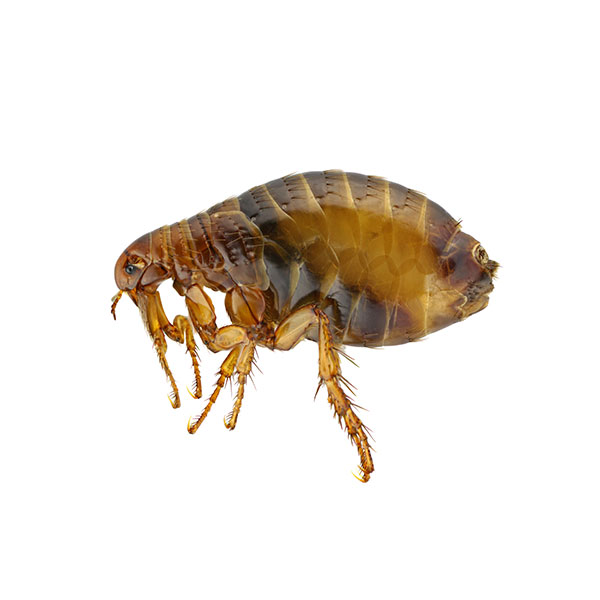
Fleas are more than just a nuisance—they can turn your home into an itchy nightmare for both pets and people. If you’ve ever dealt with a flea infestation, you know how persistent these tiny bloodsuckers can be. In this comprehensive guide, we’ll dive deep into flea identification, including their appearance, life cycle, effective control methods for pets, indoors, and outdoors, and proven eradication strategies to eliminate them for good. Whether you’re dealing with cat fleas, dog fleas, or other types, understanding these pests is key to reclaiming your space. By the end, you’ll have the tools to prevent future outbreaks and keep your family flea-free. Let’s jump in—pun intended.
- Understanding Fleas: What They Are and Why They Matter
- Flea Identification: Spotting the Enemy
- Flea Control: Strategies to Manage Infestations
- Flea Eradication: Eliminating Them for Good
- Prevention: Keeping Fleas at Bay
- Conclusion: Take Control Today
Understanding Fleas: What They Are and Why They Matter

Fleas are small, wingless insects belonging to the order Siphonaptera, known for their incredible jumping ability and parasitic lifestyle. These pests feed on the blood of mammals and birds, and while they prefer animal hosts, they won’t hesitate to bite humans. A single flea bite can cause intense itching, allergic reactions, and even transmit diseases like murine typhus or tapeworms. In the United States, fleas are a common household problem, especially in warmer climates where they thrive year-round.
Why should you care? Fleas reproduce rapidly, with a female laying up to 50 eggs per day. An untreated infestation can explode from a few fleas to thousands in weeks, affecting your pets’ health and your home’s comfort. Pets may develop flea allergy dermatitis, leading to hair loss, skin infections, and constant scratching. Humans might experience red, itchy welts, and in rare cases, fleas can vector serious illnesses like plague from rodents. Early identification and control are crucial to avoid escalation. This guide, optimized for those searching “how to get rid of fleas,” covers everything from spotting them to wiping them out.
Flea Identification: Spotting the Enemy
Identifying fleas early is the first step in control and eradication. These pests are masters of hiding, so knowing what to look for can make all the difference.
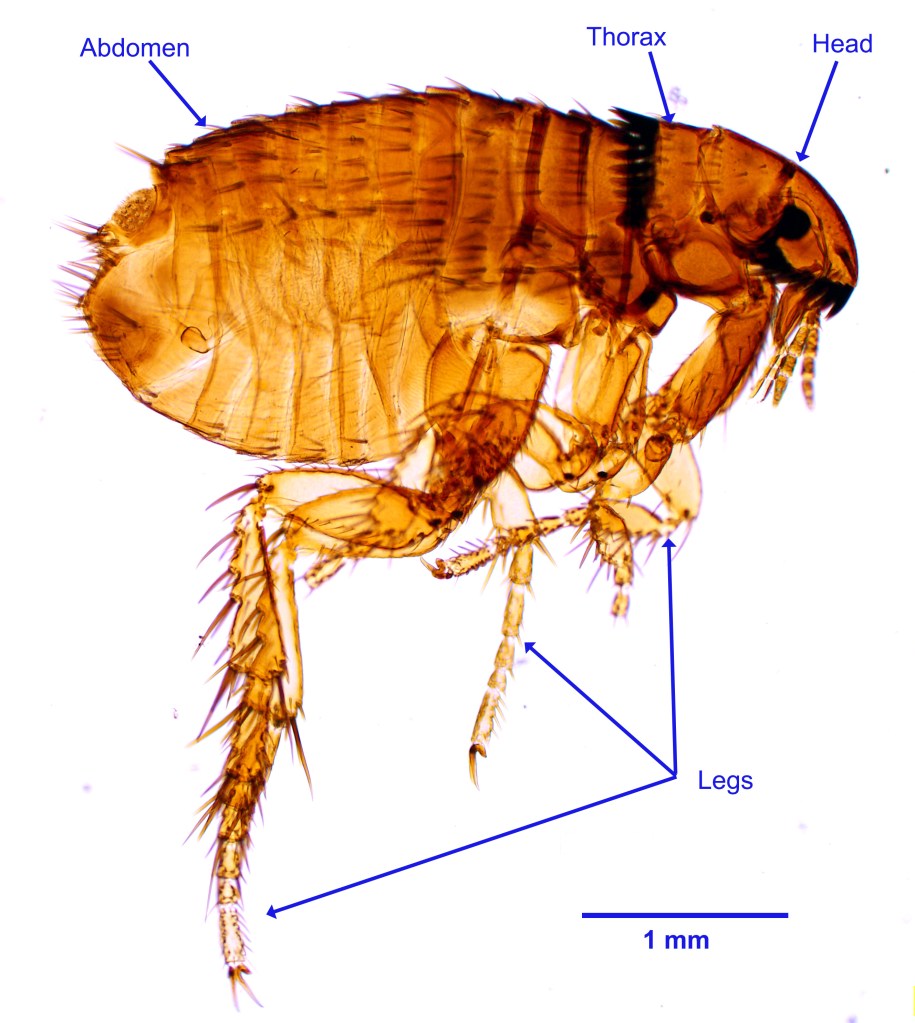
Appearance of Fleas
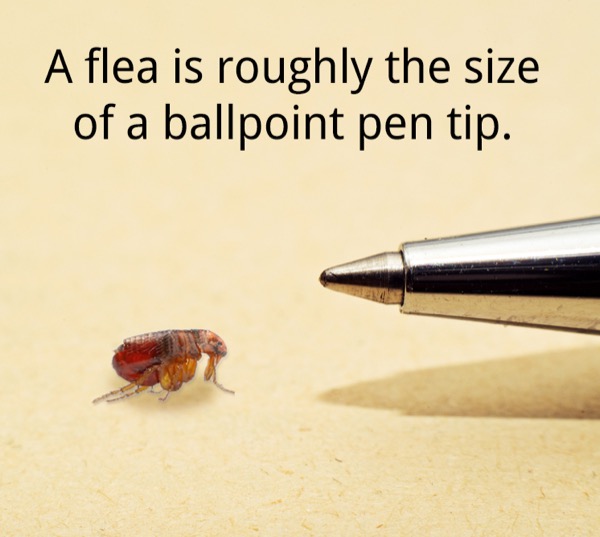
Adult fleas are tiny, measuring about 1/8 inch (1-4 mm) long, with a reddish-brown to brownish-black body that’s flattened sideways for easy navigation through fur or feathers. They’re wingless but equipped with powerful hind legs that allow them to jump up to 200 times their body length—about 6 inches vertically. Their mouthparts are designed for piercing skin and sucking blood, often leaving a small red spot with a halo on the bite site.
Larvae are maggot-like, whitish (turning darker as they feed), 3-5 mm long, with no eyes or legs, resembling tiny worms. Eggs are pearly white, oval, and about 1/32 inch long, non-sticky, so they easily fall off hosts onto surfaces. Pupae are encased in sticky, silken cocoons often camouflaged with debris like pet hair or carpet fibers.
To spot adults, check your pet’s fur, especially around the neck, tail, and belly. Use a flea comb to part the hair—fleas move quickly but leave behind “flea dirt” (dark specks of digested blood that turn red when wet). For humans, bites often appear in clusters on legs and ankles.
Common Types of Fleas in the US
There are over 2,500 flea species worldwide, but only a handful commonly infest US homes. Here’s a breakdown:
- Cat Flea (Ctenocephalides felis): The most prevalent, infesting cats, dogs, and occasionally humans. About 3 mm long with genal and pronotal combs (spine-like structures). They can’t complete their life cycle on human blood alone.
- Dog Flea (Ctenocephalides canis): Similar to cat fleas but rarer in some areas like California. Brownish-black, 1-4 mm, can jump 6 inches. Vectors for tapeworms.
- Human Flea (Pulex irritans): Larger and reddish-brown, bites both humans and animals. Less common today but hides in bedding and upholstery.
- Oriental Rat Flea (Xenopsylla cheopis): Small (1.5-2 mm), no combs, primarily on rats but can bite humans and spread plague.
- Sticktight Flea (Echidnophaga gallinacea): Attaches firmly to hosts like birds or small mammals, often around eyes or ears. Common in poultry areas.
- Bird Flea (Ceratophyllus gallinae): Brownish, 1/32-5/16 inch, infests bird nests and can multiply in hen houses.
Each type has unique hosts but can cross over, making identification by appearance and location key.
The Flea Life Cycle: Why It’s Crucial for Identification
Fleas undergo complete metamorphosis with four stages: egg, larva, pupa, and adult. This cycle can take 2 weeks to 8 months, depending on temperature (70-90°F optimal) and humidity (at least 75% for larvae).
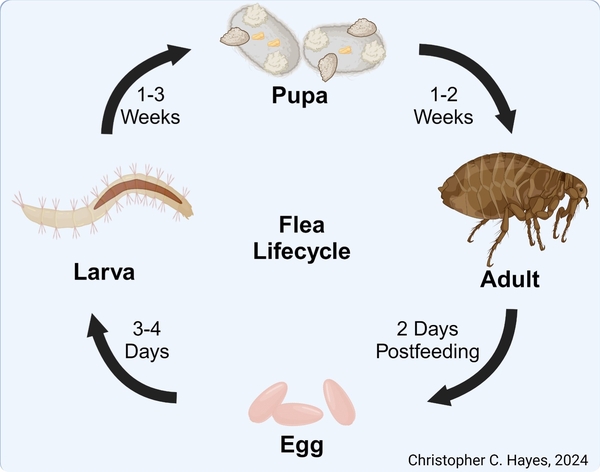
- Egg Stage: Females lay 4-50 eggs daily after a blood meal. Eggs hatch in 1-12 days.
- Larva Stage: Lasts 4-18 days; larvae feed on flea dirt and debris in shaded, humid spots like carpets or bedding. They avoid light and need humidity above 45%.
- Pupa Stage: A few days to months (up to a year dormant). Cocoons protect them from insecticides.
- Adult Stage: Emerge triggered by vibration or heat; live 30-100 days on a host.
Understanding this cycle helps identify hidden stages—vacuuming can stimulate pupae to emerge for easier targeting.
Flea Infestation Signs and Solutions
Look for:
- Pets scratching excessively, especially at the base of the tail.
- Flea dirt or eggs in bedding, carpets, or furniture.
- Bites on humans, often in lines or clusters.
- Jumping insects on white socks (a simple test: walk through suspected areas).
If you spot these, act fast—infestations worsen quickly.
Flea Control: Strategies to Manage Infestations
Control focuses on breaking the life cycle through integrated pest management (IPM), combining non-chemical and chemical methods.
Controlling Fleas on Pets
Start with your furry friends, as they’re the primary hosts.
- Use flea combs dipped in soapy water to remove adults.
- Bathe pets with mild soap or shampoos containing pyrethrins.
- Apply topical treatments like fipronil (Frontline) or imidacloprid (Advantage) for 1-3 months of protection.
- Oral options like lufenuron (Program) prevent egg hatching.
- Collars with methoprene provide ongoing control.
Consult a vet, especially for young or sensitive pets—never use dog products on cats.
Indoor Flea Control
Indoors, focus on sanitation and targeted treatments.
- Vacuum daily: Removes up to 60% of eggs and 30% of larvae; discard bags sealed.
- Wash pet bedding in hot, soapy water weekly.
- Use IGR sprays like methoprene or pyriproxyfen on carpets and furniture—these prevent immature fleas from developing.
- Boron-based products like disodium octaborate tetrahydrate kill larvae by contaminating their food.
- For severe cases, foggers with IGRs can help, but they’re less effective alone.
Outdoor Flea Control
Outdoors, target shaded, humid areas.
- Mow lawns regularly and remove debris.
- Apply sprays with carbaryl or malathion in pet resting spots.
- Use predatory nematodes in sandy soils for natural larval control.
- Seal crawl spaces and attics to block wildlife hosts.
Treat only if fleas are detected to avoid unnecessary chemicals.
Flea Eradication: Eliminating Them for Good
Eradication requires persistence, as pupae can survive treatments.
- Integrated Approach: Combine vacuuming, pet treatments, and IGRs. Re-treat every 7-10 days for 2-3 cycles.
- Insecticides: Effective options include pyrethrins for quick kill, combined with IGRs like pyriproxyfen. Diatomaceous earth dusts dehydrate fleas naturally.
- Natural Methods: Citrus extracts (d-limonene) kill adults and larvae but may irritate sensitive pets. Flea traps with green lights attract and capture adults. Avoid unproven remedies like garlic or Brewer’s yeast.
- Professional Help: For stubborn infestations, hire experts—they use targeted applications and monitor progress.
Safety first: Remove toys and food before treatments, and follow labels. Environmental factors like steam cleaning carpets kill all stages.
Prevention: Keeping Fleas at Bay
Prevent infestations by:
- Administering monthly pet preventatives year-round.
- Regular grooming and vacuuming.
- Screening wildlife entry points.
- Monitoring with flea combs in spring/summer.
Consistent habits save time and money.
Conclusion: Take Control Today
Fleas don’t stand a chance against informed action. From identifying their tiny forms and life cycle to deploying control and eradication tactics, you’ve got the blueprint. Remember, persistence is key—combine methods for best results. If overwhelmed, professionals are a call away. Stay vigilant, and enjoy a flea-free home. For more pest tips, check our related posts on tick control or pet health.


 Pest Free Living
Leave a comment