Hidden Invader Series – by Thomas Johnson
Few pests inspire more anxiety in people than bed bugs. They’re tiny, elusive, and persistent—earning their title as one of the most difficult household pests to eliminate. In this installment of the Hidden Invaders Series, we’ll shine a light on these nocturnal hitchhikers, exploring how they infest homes, the damage they cause, and the best ways to fight back.
Drawing from my experience in pest control with Orkin and Massey Services, I’ve seen firsthand how quickly a single overlooked bed bug can turn into a nightmare infestation both in homes and commercial properties. Whether you’re a homeowner, traveler, or property manager, understanding these pests is the first step toward reclaiming your peace of mind.
- The Rise of Bed Bugs
- Understanding the Enemy
- How Bed Bugs Spread
- Early Signs of Infestation
- The Damage They Cause
- Why DIY Methods Often Fail
- 🪳 Detailed Bed Bug Control List
- The Human Side of Bed Bug Battles
- My Pro Insight: The Bed Bug Mindset
- Preparing for Professional Treatment
- Moving Forward
The Rise of Bed Bugs
Bed bugs were nearly wiped out in the U.S. by the mid-20th century, but international travel, pesticide resistance, and secondhand furniture trends have fueled a major comeback. Today, infestations occur everywhere—from upscale hotels to college dorms and family homes.
They don’t discriminate based on cleanliness or income. In fact, some of the worst infestations I’ve treated were in spotless homes where the owners couldn’t believe such pests could exist. Bed bugs simply look for one thing: access to a warm-blooded host to feed on.
Understanding the Enemy
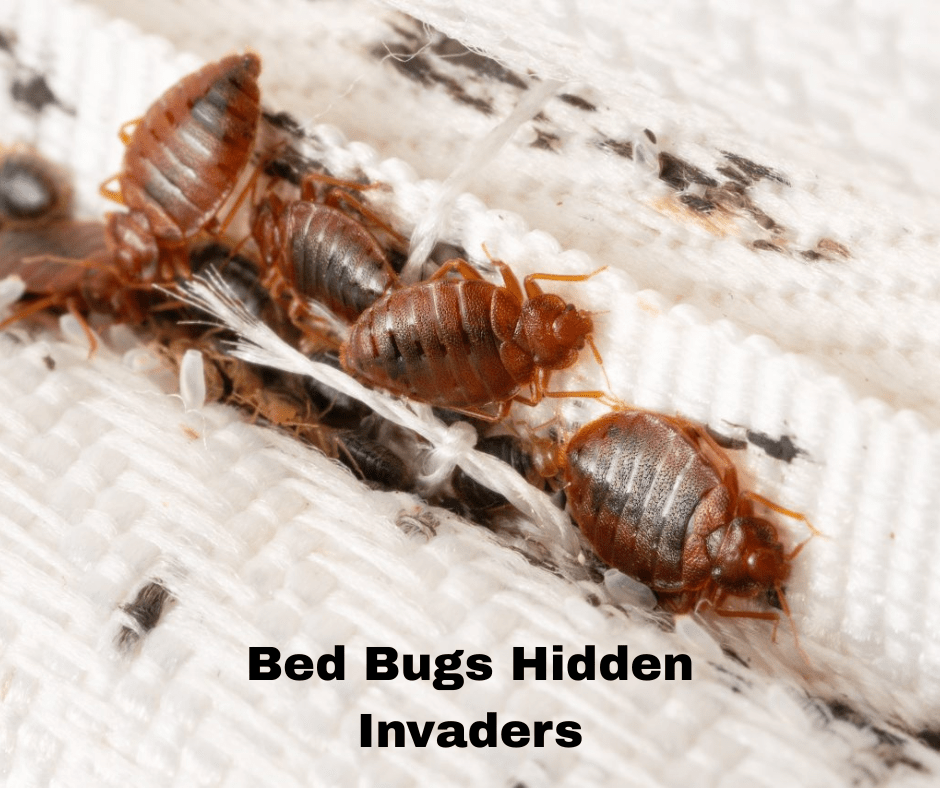
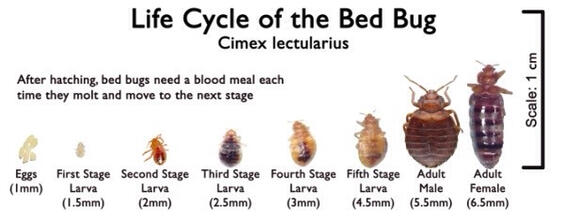
Bed bugs (Cimex lectularius) are small, flat, reddish-brown insects roughly the size of an apple seed. They feed exclusively on blood—usually at night when their host is asleep.
They can’t jump or fly, but they crawl swiftly and hide in cracks as thin as a credit card. Common hiding spots include:
- Mattress seams and box springs
- Behind baseboards or wall plates
- Inside furniture joints and headboards
- In luggage, backpacks, and clothing seams
A female bed bug can lay 200–500 eggs in her lifetime. With eggs hatching every 6–10 days, a small problem can escalate into hundreds of bugs in just a few weeks.
How Bed Bugs Spread
One of the most deceptive traits of bed bugs is how they spread. They don’t nest like ants or termites—instead, they hide near where people sleep, rest, eat, or entertain. Movement from one area to another happens through simple contact:
- Travel: They hitch rides in luggage, clothing, and personal belongings.
- Entertain: They love to catch a ride when you are sitting watching a movie at the theater, or sitting and having a cocktail at a bar, or enjoying a meal at your favorite restaurant.
- Used furniture: Infested couches, mattresses, or recliners are common sources.
- Used Items: Shopping at a thrift store, purchasing items at garage sales or off of FB marketplace, picking up a book at the library – these are all places where you bring home bed bugs from, and the list can go on.
- Apartments and hotels: They travel through electrical outlets, wall voids, and shared pipes.
- Visitors: They can tag along on guests’ clothing or bags without anyone realizing it.
I once handled a case during my Orkin days where an entire apartment building became infested after one resident unknowingly brought in a used recliner from the curb. Within months, the infestation had spread through three floors via wall voids and shared ductwork.
Early Signs of Infestation
Catching bed bugs early is crucial. Unfortunately, they’re experts at staying hidden. Here are some common signs:
- Bite marks: Small, red, itchy welts often in clusters or lines on arms, legs, or the neck.
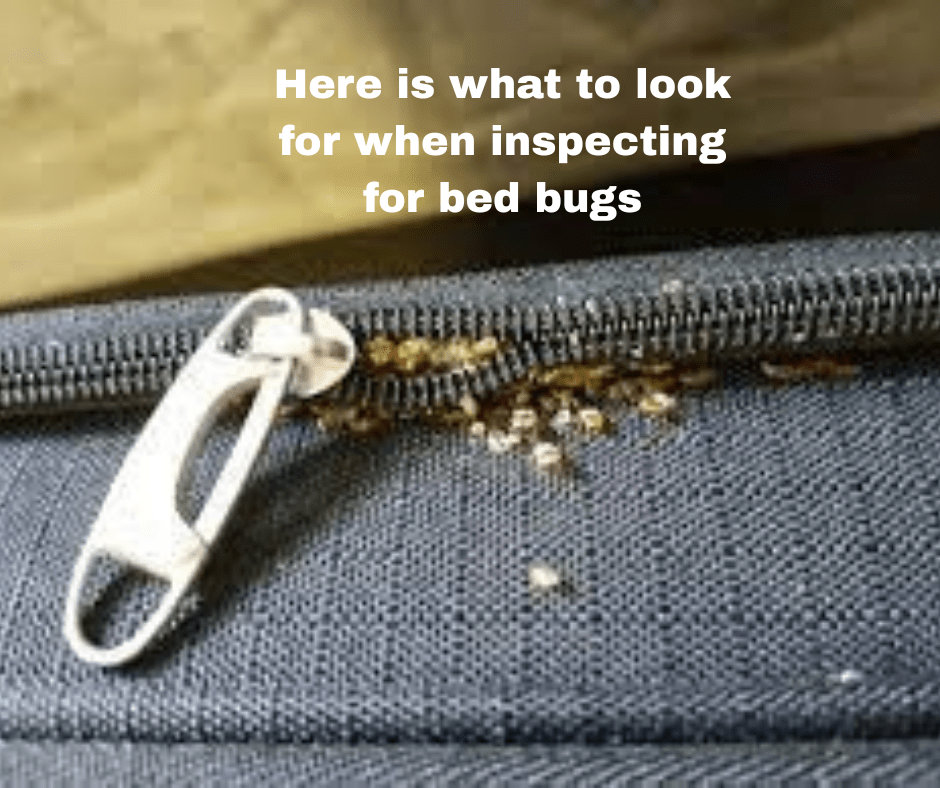
- Black or brown spots: Fecal stains (dried blood) on sheets, mattresses, or walls.
- Tiny white eggs: About 1mm in size, often tucked into fabric seams or crevices.
- Shed skins: As they grow, bed bugs molt and leave behind pale shell casings.
- Musty odor: Heavy infestations can emit a sweet, moldy smell from their scent glands.
Bed bug bites often appear similar to mosquito or flea bites, so visual inspection is key. If you suspect an infestation, use a flashlight and closely examine mattress seams, headboards, and furniture joints.
Many of my customers, while I was at Orkin and Massey, had gone to the doctors because they couldn’t figure out what the sores were or what the terrible itching was from. They had not seen any live insects in their home and had no clue where they were getting the bites from.
The Damage They Cause
While bed bugs don’t transmit diseases, their impact goes far beyond physical bites. The psychological and emotional toll can be devastating.
1. Physical Discomfort
Bites can cause itching, allergic reactions, and skin irritation. Some people develop welts or secondary infections from scratching.
2. Sleep Disruption
Knowing bed bugs come out at night can make restful sleep nearly impossible. I’ve had clients who hadn’t slept properly for weeks—too anxious to turn off the lights.
3. Emotional Stress
Bed bug infestations often lead to embarrassment, isolation, and even anxiety or depression. People sometimes avoid inviting guests over or staying at hotels.
4. Financial Cost
Professional treatments, replacing furniture, and potential property damage can quickly add up. The longer the infestation goes untreated, the more costly it becomes.
Why DIY Methods Often Fail
Bed bugs are among the most resilient pests on the planet. Home remedies and over-the-counter sprays rarely solve the problem. Here’s why:
- Resistance: Many bed bug populations have developed resistance to common pesticides.
- Hidden eggs: Even if adults are killed, eggs can hatch weeks later and restart the cycle.
- Deep hiding spots: They can live in tiny cracks, electrical outlets, and under carpet edges where sprays can’t reach.
- Incomplete treatments: Missing just one small area during treatment allows survival and regrowth of the infestation.
I’ve seen countless cases where homeowners tried “bug bombs” or essential oil sprays—only to have the problem worsen. Bed bugs scatter deeper into walls and neighboring rooms, making them harder to control. Most of the time, to eradicate the problem, you will need to hire a professional company.
🪳 Detailed Bed Bug Control List
1. Inspection Phase

- Visual Survey: Begin with a flashlight and a magnifying glass. Inspect seams of mattresses, box springs, headboards, and bed frames.
- Harborage Zones: Extend inspection to baseboards, furniture joints, picture frames, electrical outlets, and curtain folds.
- Signs of Infestation: Look for dark fecal spots, tiny blood stains, shed skins (exoskeletons), or actual live bugs.
- Monitoring Tools: Use interceptor traps under bed legs or sticky monitors to confirm activity.
- Professional Assistance: In severe or large infestations, thermal cameras can identify hidden colonies.
2. Preparation Phase
- Declutter the Space: Remove unnecessary items near beds or walls to eliminate hiding spots. If you are taking items from the room, put them in a garage, shed, or back porch and do a complete inspection of the items to make sure nothing is hidden in them.
- Textile Treatment: Wash bedding, linens, curtains, and clothing in hot water (at least 120°F).
- Dry Thoroughly: Use the highest heat setting for at least 45 minutes.
- Vacuum Thoroughly: Focus on cracks, seams, and baseboards. Immediately seal and discard the vacuum bag outside. Put the vacuum outside or in the garage to make sure there are no bugs hiding in the machine.
- Isolate Infested Items: Bag non-washable items in sealed plastic bags for several weeks (starving bed bugs of hosts). But do not leave the sealed bags in the home.
- Bed Protection: Install bed bug-proof encasements on mattresses and box springs to trap any remaining insects.
3. Treatment Phase
- Heat Treatments: Professionals often use whole-room heat systems that raise ambient temperatures above 120°F for several hours, killing all life stages.
- Chemical Treatments:
- Residual insecticides: Applied to cracks, crevices, and furniture joints. Amazon Link
- Dust formulations: Used inside outlets and voids (e.g., diatomaceous earth or silica dust). Amazon Link
- Aerosols or contact sprays: For immediate knockdown of exposed bugs. Amazon Link
- Integrated Pest Management (IPM): Combines mechanical removal (vacuuming, steaming) with chemical or heat applications for best results.
- Furniture Considerations: Severely infested furniture may need to be discarded responsibly.
- Follow-up Visits: Bed bugs can survive in small numbers—repeat treatments every 10–14 days until eradicated.
4. Monitoring and Follow-up Phase
- Bed Bug Interceptors: Place under all beds and furniture legs to detect movement.
- Sticky Monitors: Check weekly to track any new activity. Amazon Link
- Visual Inspections: Reinspect sleeping areas after each treatment.
- Prevent Reinfestation:
- Avoid bringing in used furniture.
- Inspect luggage and clothing after travel.
- Use luggage racks and keep bags zipped while staying in hotels.
- Education: Ensure household members understand prevention measures—bed bugs spread through movement, not dirtiness.
5. Communication and Customer Education
During your time with Massey Services and Orkin, the most successful treatments came when homeowners were engaged. Explaining what steps they needed to take—especially prep and post-treatment—made a huge difference. Education prevented repeat infestations and built long-term trust with clients.
Heat Treatments: The Game Changer
One of the most effective modern tools against bed bugs is heat treatment. Specialized heaters raise the temperature of infested rooms to about 120–140°F (49–60°C)—lethal to all life stages, including eggs.
Unlike chemicals, heat penetrates deep into walls, mattresses, and furniture. The key is maintaining a consistent temperature for several hours. However, heat treatments must be done professionally to ensure safety and effectiveness.
Real-World Experience: What Bed Bugs Teach Us
In my years at Orkin and Massey, bed bug jobs were always memorable—not just for the challenge, but for what they revealed about persistence and attention to detail.
I once serviced a prominent hotel, but even after multiple treatments, the bugs kept reappearing. This had gone on for weeks; the hotel could not rent out the room on either side of the affected room, which cost the hotel chain a lot of money in revenue. The turning point came when we discovered they were nesting inside an electrical outlet hidden behind a headboard nailed to the wall. It wasn’t until we detached the headboard and found the hidden outlet, and treated the affected area, that we were able to resolve the problem and release the rooms to be used again.
It was a powerful reminder: with bed bugs, the smallest overlooked detail can be the difference between success and failure.
Prevention: Stopping the Silent Travelers Before They Arrive
Preventing bed bugs isn’t about luck—it’s about habits. Since they rely on hitchhiking, awareness is your best defense.
- When traveling: Inspect hotel mattresses, headboards, and nightstands before bringing in your personal items. Keep luggage on racks, not floors, and don’t put anything in the closets or drawers.
- After trips: Do not bring anything from the trip into the house. If you can, take out your clothes from the suitcases in the garage, wash clothes in hot water, and inspect the suitcases before storing them.
- Secondhand furniture: Always inspect used furniture thoroughly before bringing the item indoors.
- Declutter: Reducing clutter minimizes hiding spots and makes inspections easier.
Bed bugs can appear anywhere—homes, offices, hospitals, or schools. But when you know what to look for, you can often catch them before they settle in.
The Human Side of Bed Bug Battles
What always struck me most during my pest control years wasn’t just the bugs—it was the people.
I’ve met single mothers who cried in frustration because they couldn’t afford to replace furniture. I’ve seen elderly homeowners too embarrassed to ask for help until the situation was out of control. And I’ve met families who had to sleep on air mattresses for weeks while we treated their homes.
The truth is, bed bugs can happen to anyone. Clean homes, luxury hotels, college dorms—it doesn’t matter. That’s why education and empathy are critical. My goal in this series is not only to help you understand the problem but to give you hope that it can be solved.
My Pro Insight: The Bed Bug Mindset
When you’re fighting bed bugs, you need the right mindset: patience, precision, and persistence.
- Patience: Bed bug treatments often take time. Rushing or cutting corners guarantees failure.
- Precision: Every crack, seam, and crevice must be treated or inspected.
- Persistence: Follow-up is essential. Bed bugs don’t quit easily—and neither should you.
When these three principles align, infestations that once seemed impossible can be completely eradicated.
Preparing for Professional Treatment
Free Bed Bug Checklist
If you suspect bed bugs, calling a professional early can save enormous stress and money. Before they arrive, here’s what you can do:
- Strip and wash all bedding, curtains, and clothes in hot water and dry the items on the highest heat setting of your dryer.
- Reduce clutter around sleeping areas.
- Move furniture away from the walls in order for the professional to pull back the carpet to treat under.
- Avoid using DIY sprays before inspection—they can scatter the bugs.
- DO NOT vacuum the infected rooms. I have seen to many times: the homeowner vacuums and takes the vacuum cleaner to the other side of the home, and the bugs crawl out and infest those rooms.
These steps make treatment more effective and shorten the time it takes to achieve complete control.
Moving Forward
Bed bugs may be small, but their impact is huge. They test patience, persistence, and attention to detail—qualities that every good pest control professional must master.
If there’s one lesson I’ve learned from years in the field, it’s that no infestation is hopeless. With the right approach, teamwork, and education, even the toughest cases can be resolved.
In the coming installments of the Hidden Invaders Series, we’ll tackle other stealthy pests—from termites to rodents—each with their own hidden habits and unique control challenges.
But remember: the best defense against any pest starts with awareness. By knowing how these silent travelers live, move, and multiply, you’ve already taken the first step toward keeping them out for good.




 Pest Free Living
Leave a comment