Hidden Invader Series – by Thomas Johnson
If you’ve ever heard something scurry in the walls, seen mysterious bite marks on furniture, or noticed tiny invaders in your pantry, you’re not alone. Hidden pests have a way of sneaking into even the cleanest homes, quietly causing damage, spreading disease, and turning comfort into chaos.
Welcome to The Hidden Invaders Series—a deep-dive into the 15 most common and concerning pests people face today. Drawing from my own hands-on experience in pest control with Orkin and Massey Services, I’ll break down what each pest does, the kind of damage it can cause, and the practical steps you can take to protect your home and family.
- Why “Hidden Invaders”?
- The 15 Hidden Invaders
- 1. Bed Bugs – The Silent Travelers
- 2. Cockroaches – The Resilient Invaders
- 3. Termites – The Silent Destroyers
- 4. Carpenter Ants – The Wood Excavators
- 5. Rodents – The Gnawing Menace
- 6. German Cockroaches – The Kitchen Conquerors
- 7. Silverfish – The Paper Eaters
- 8. Pantry Pests – The Kitchen Hitchhikers
- 9. Fleas – The Persistent Biters
- 10. Ticks – The Outdoor Intruders
- 11. Spiders – The Unwanted Roommates
- 12. Carpet Beetles – The Silent Fabric Feeders
- 13. Drain Flies – The Tiny Drain Dwellers
- 14. Centipedes & Millipedes – The Moisture Migrants
- 15. Booklice (Psocids) – The Paper Ghosts
- Protecting Your Home: The Pro Approach
- What to Expect from the Hidden Invaders Series
- Final Thoughts
Why “Hidden Invaders”?
The worst pest infestations aren’t always the ones you see—they’re the ones you don’t. Termites silently chew through your home’s structure. Bed bugs hide in crevices waiting for nightfall. Silverfish and carpet beetles quietly ruin personal belongings. These hidden invaders are experts at surviving unnoticed until the damage is done.
Through this series, we’ll dive into and how to spot their subtle signs, protect your property, and understand the science and strategy behind keeping these invaders out for good.
The 15 Hidden Invaders
Here’s a preview of the culprits we’ll be covering throughout this series:
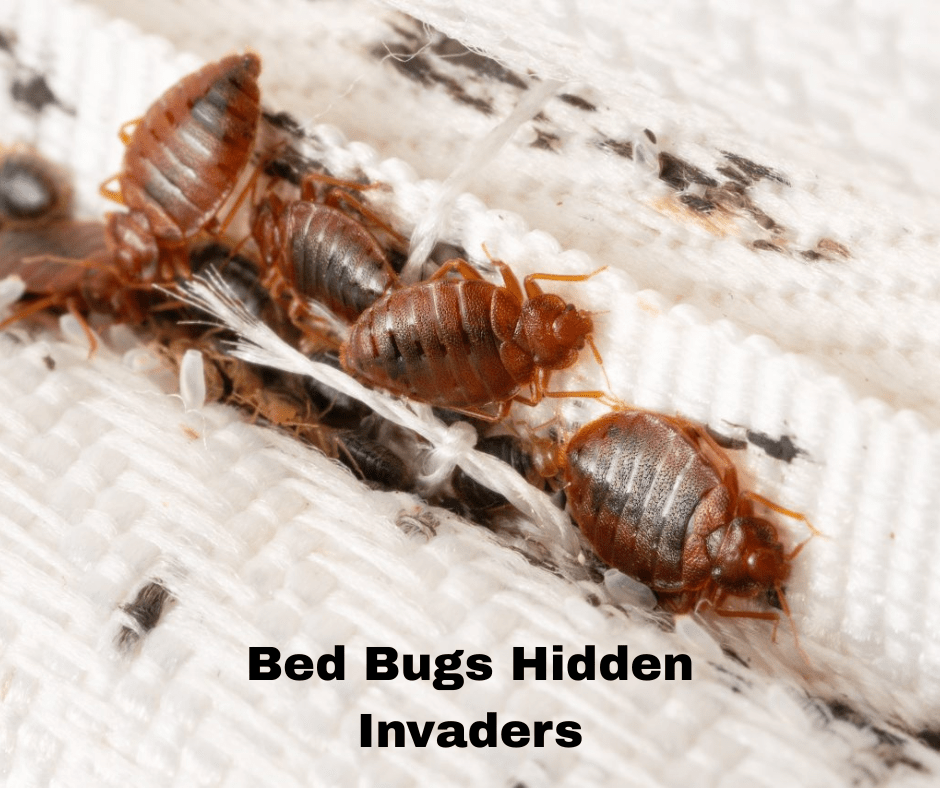
1. Bed Bugs – The Silent Travelers
Bed bugs feed on human blood and are masters at hiding in seams, outlets, and furniture joints. Infestations spread quickly—often hitching rides in luggage or used furniture. Once they settle in, they can be a nightmare to remove and often require professional intervention.
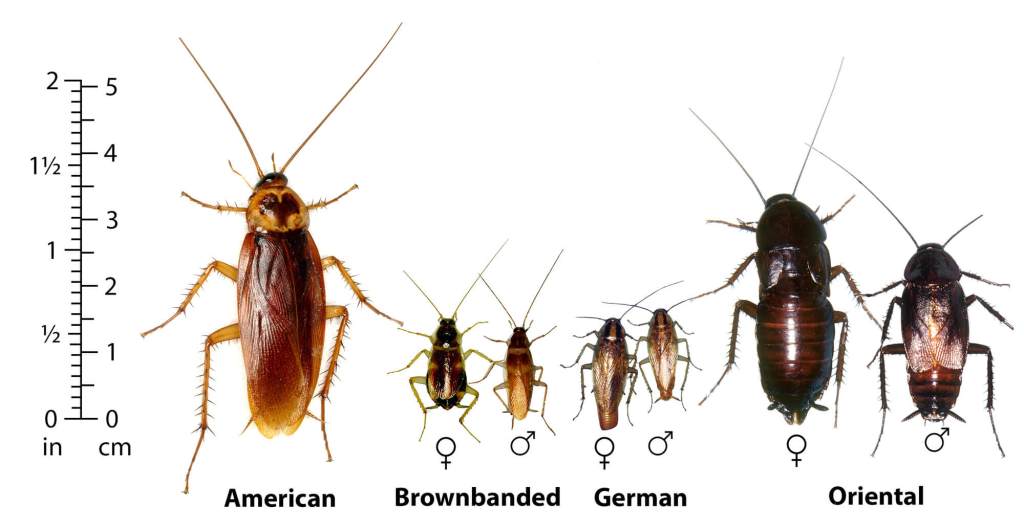
2. Cockroaches – The Resilient Invaders
Cockroaches contaminate food, spread bacteria, and trigger allergies. They thrive in cracks, crevices, and hidden spaces, often signaling poor sanitation or excess moisture. Their ability to survive almost anything makes them one of the toughest pests to manage.
3. Termites – The Silent Destroyers
Termites eat wood 24/7 and can cause thousands in structural damage before you even know they’re there. These insects live in colonies beneath or inside your home, slowly hollowing out beams, floors, and foundations.
4. Carpenter Ants – The Wood Excavators
Unlike termites, carpenter ants don’t eat wood—they carve it out to build their nests. They prefer moist or decaying wood, which means they’re often found near leaks or water-damaged areas. Their tunnels can weaken structures and cause significant long-term damage.
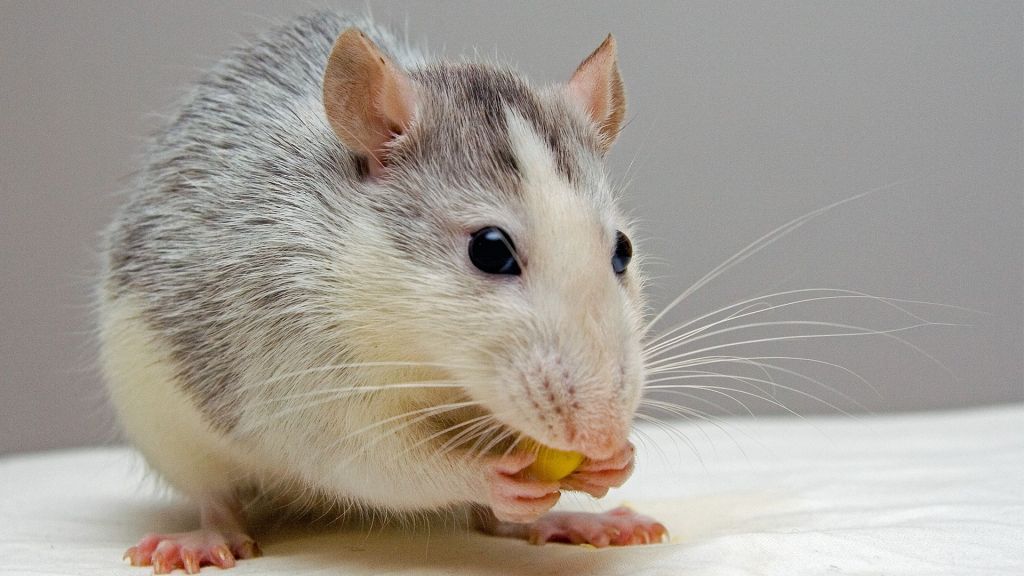
5. Rodents – The Gnawing Menace
Mice and rats squeeze through tiny openings, chew wires, contaminate food, and spread disease. They reproduce quickly, so a small problem can become a major infestation in weeks. Beyond health risks, they can also cause costly damage to insulation and electrical systems.
6. German Cockroaches – The Kitchen Conquerors
Smaller and faster than their larger cousins, German cockroaches thrive indoors, especially in kitchens and bathrooms. They reproduce at an alarming rate and often hide in appliances, cabinets, and tight spaces near water and warmth.
7. Silverfish – The Paper Eaters
Silverfish feed on paper, glue, fabrics, and starchy materials. They prefer humid, dark environments like basements and bathrooms. While not harmful to humans, they can quietly destroy books, photos, and stored belongings.
8. Pantry Pests – The Kitchen Hitchhikers
Pantry pests such as weevils, moths, and beetles infest stored food like flour, cereal, and rice. They often come in through contaminated packaging and spread quickly once established, contaminating food and creating unpleasant surprises in the kitchen.
9. Fleas – The Persistent Biters
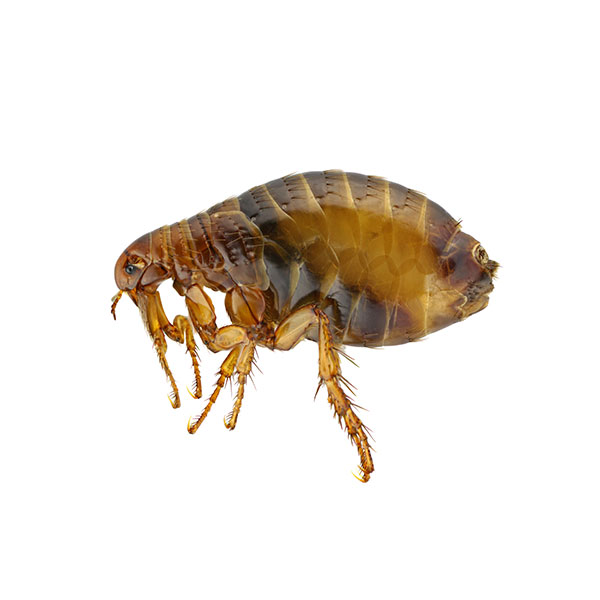
Fleas are blood-feeding parasites that live on pets and can infest carpets, bedding, and furniture. Even after treatment, they can linger in the environment and reemerge weeks later. Their bites can cause itching and allergic reactions in both pets and people.
10. Ticks – The Outdoor Intruders
Ticks are dangerous not just for their bites but for the diseases they carry, including Lyme disease. They often enter homes by hitching a ride on pets or clothing after time outdoors, making prevention and inspection critical.
11. Spiders – The Unwanted Roommates
Most spiders are harmless, but a few species like the brown recluse and black widow can pose real risks. They tend to hide in undisturbed areas—basements, attics, or storage spaces—emerging when other insects (their prey) are present.
12. Carpet Beetles – The Silent Fabric Feeders
Carpet beetle larvae feed on fabrics, wool, and other natural fibers. They often go unnoticed until holes appear in clothes, rugs, or upholstered furniture. Their small size and quiet habits make them easy to overlook.
13. Drain Flies – The Tiny Drain Dwellers
Drain flies, also known as moth flies, breed in organic sludge that builds up inside drains and pipes. They don’t bite, but they can be persistent and unpleasant, often signaling an underlying sanitation or plumbing issue.
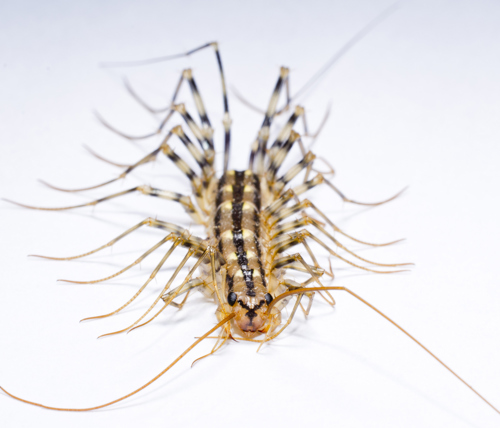
14. Centipedes & Millipedes – The Moisture Migrants
While mostly harmless, these many-legged pests can be alarming to encounter indoors. They enter homes seeking moisture and shelter, often appearing in basements, crawl spaces, or bathrooms. Their presence usually indicates excess humidity or leaks.
15. Booklice (Psocids) – The Paper Ghosts
Booklice are tiny insects that feed on mold and starchy materials like wallpaper glue and old paper. They thrive in damp, humid conditions and are often mistaken for dust or mites. Their presence is a sign of moisture imbalance.
Protecting Your Home: The Pro Approach
Through my years with Orkin and Massey Services, one lesson stood out: effective pest control starts with prevention, not reaction. Every hidden invader relies on one or more of three things—food, water, and shelter. Remove those, and your home becomes uninviting.
Keeping your home pest-free isn’t about fear—it’s about awareness. Understanding how each pest operates helps you take smarter, simpler steps that prevent them from ever gaining a foothold.
What to Expect from the Hidden Invaders Series
Each installment of this series I will focus on a single pest. You’ll learn:
- How to identify them and the damage they cause
- Where they hide and what attracts them
- Practical steps to prevent infestations
- Real-world stories from my time in the field
- A quick checklist you can use to inspect and protect your home
From bed bugs in the bedroom to termites in the foundation, every post will offer insights you can use right away to safeguard your home and your peace of mind.
Final Thoughts
The Hidden Invaders Series is more than a list of pests—it’s a roadmap for homeowners who want to understand what’s lurking behind the walls, under the floor, or even in the pantry. By learning the warning signs and how these pests operate, you can act before a small problem becomes a major infestation.
Whether you’re a homeowner, renter, or property manager, this series will give you the knowledge, confidence, and real-world perspective to fight back against hidden invaders and reclaim your home—one pest at a time.
Stay tuned for Part One: “Bed Bugs – The Silent Travelers.”


 Pest Free Living
Leave a comment