
Hidden Invader Series – by Thomas Johnson
Few pests strike fear into homeowners like termites. Unlike cockroaches or ants that scurry across floors, termites work quietly behind the walls and beneath the surface— or in your attic often for years—before revealing their presence. By the time damage becomes visible, the structural integrity of a home can already be severely compromised.
In this edition of the Hidden Invaders Series, we’ll uncover why termites are known as “The Silent Destroyers.” Drawing from my real-world experience with Orkin and Massey Services, I’ll explain how they infiltrate homes, the warning signs, the type of destruction they cause, and what strategies professionals use to stop them before it’s too late.
- The Hidden World Beneath Our Feet
- Why Termites Are So Destructive
- The Main Types of Termites Found in Homes
- Early Warning Signs of Termite Activity
- The Science of Destruction
- Real-World Experience: Lessons from the Field
- Understanding the Termite Life Cycle
- The Evolution of Termite Control
- Proven Professional Control Strategies
- Why Termite Prevention Is Always Cheaper Than Repair
- The Role of Moisture in Termite Activity
- Real-World Shifts in Termite Practices
- The Environmental Advantage of IPM
- Protecting Your Home: The Long-Term Commitment
- Conclusion
The Hidden World Beneath Our Feet
Termites are social insects that live in large colonies, often numbering hundreds of thousands to millions. These colonies operate with military-like precision, each caste performing specialized duties:
- Workers gather food and maintain the nest.
- Soldiers defend the colony.
- Reproductives (including the Queen) ensure population growth.
Most homeowners never see these insects because they thrive underground, within wood, inside walls or up in a dry hot attic. Termites feed on cellulose, the organic compound found in wood, paper, cardboard, and even some fabrics. That diet makes your home’s framing, flooring, and furniture a perfect buffet.
Why Termites Are So Destructive
Unlike pests that damage food or fabrics, termites attack the structure of a building itself. They can silently eat through beams, joists, and supports—weakening critical areas long before any signs appear. In the U.S. alone, termites cause billions of dollars in property damage each year, and most if any of it isn’t covered by homeowner’s insurance.
Their destruction is often hidden because:
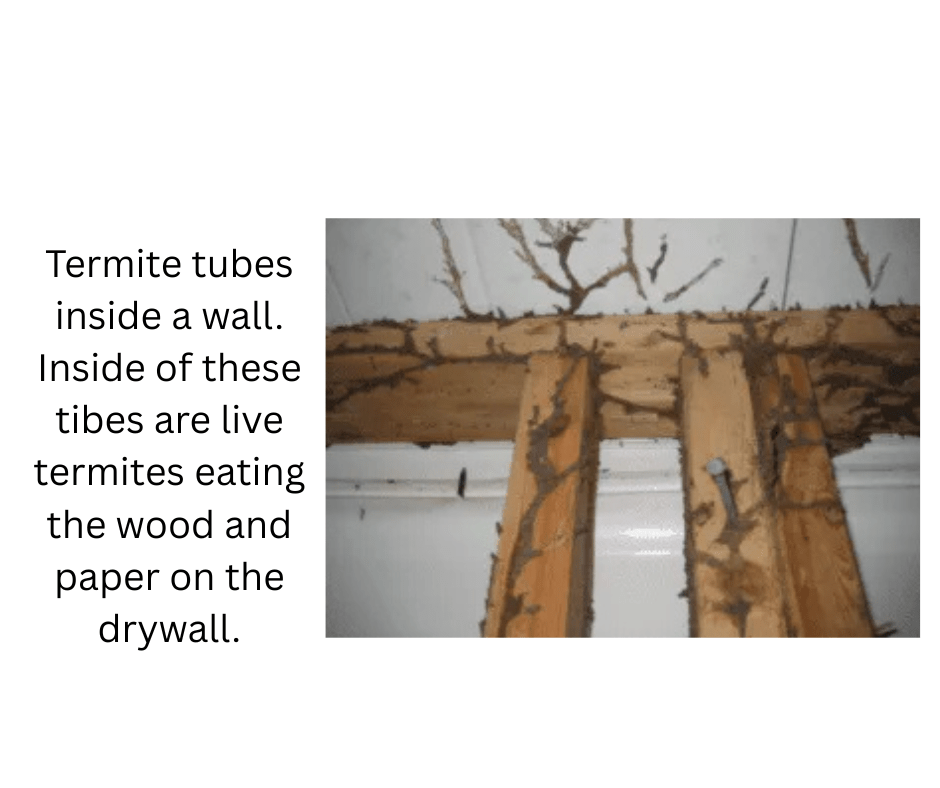
- They avoid light and open air, preferring dark, humid spaces.
- They build mud tubes to travel safely between soil and wood.
- They can consume wood 24 hours a day, working nonstop.
A single mature colony can consume several pounds of wood annually. While that may not sound catastrophic, localized feeding can destroy key structural elements such as load-bearing beams or subfloors—leading to expensive repairs.
The Main Types of Termites Found in Homes
Different termite species behave differently, but all can cause serious damage. Understanding which type you’re dealing with helps determine the right treatment strategy.
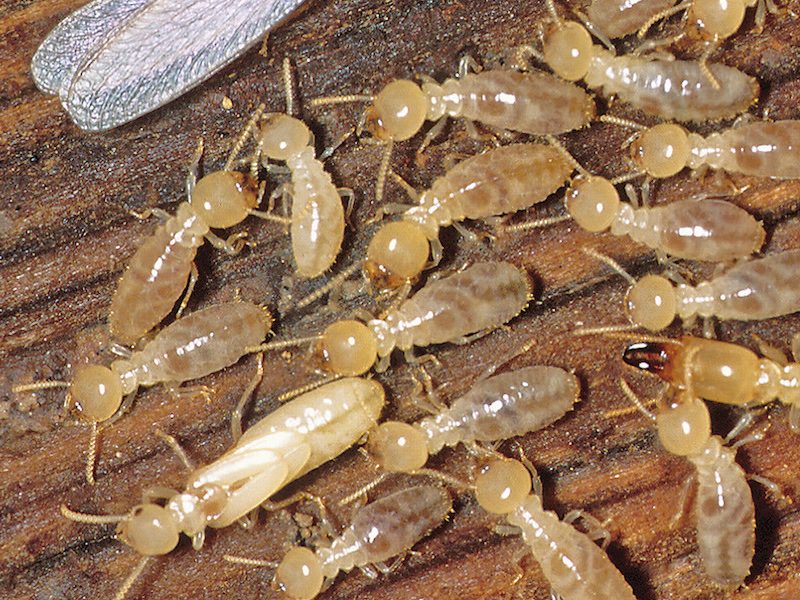
1. Subterranean Termites
The most common and destructive type in North America. These termites live underground and build mud tubes to reach wood above ground. They require moisture and are often found near foundations, plumbing leaks, or landscaping mulch.
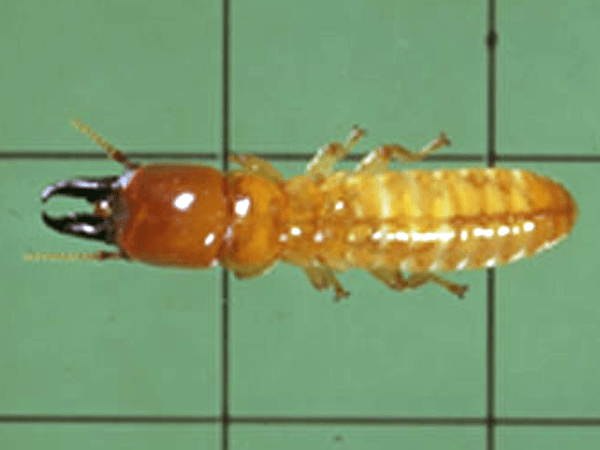
2. Drywood Termites
Unlike subterranean types, drywood termites don’t need soil contact. They infest dry wood such as furniture, flooring, or roof framing. Common in warmer coastal areas, they can be introduced through infested wood or furniture.
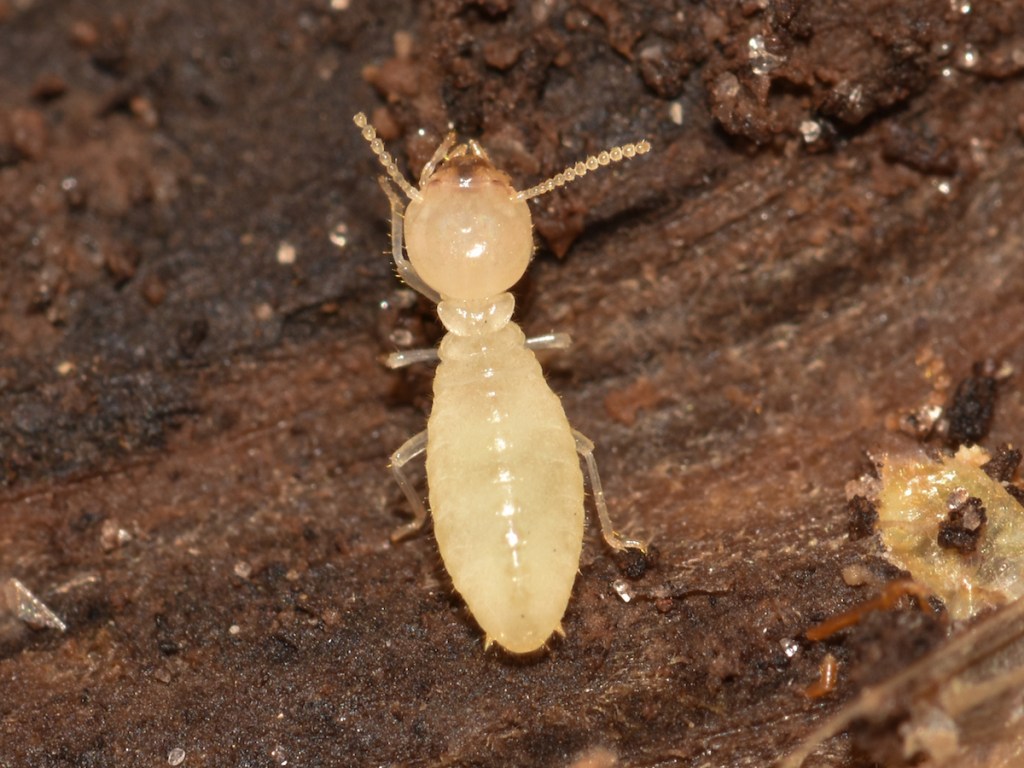
3. Dampwood Termites
As their name suggests, they thrive in damp or decaying wood, often in crawl spaces or near leaks. While less likely to infest dry structural wood, their presence usually indicates a moisture problem.
Early Warning Signs of Termite Activity
Because termites often remain hidden, recognizing the subtle clues early can prevent thousands in damage. Here are the most common signs professionals look for:
- Mud Tubes: Pencil-sized tunnels made of soil and saliva, often found on foundations or walls.
- Discarded Wings: Swarmers (reproductive termites) shed wings near windows or doors after mating.
- Hollow Wood: When tapped, infested wood sounds papery or hollow due to internal feeding.
- Bubbling Paint or Discolored Walls: Moisture from termite activity can mimic water damage.
- Frass: Drywood termites leave behind tiny wood pellets resembling sawdust.
- Tight-fitting Doors or Windows: As termites consume wood, frames warp and shift subtly.
Homeowners often mistake these early signs for aging or humidity issues—allowing infestations to grow unnoticed.
The Science of Destruction
Termites don’t eat wood evenly. Instead, they consume it from the inside out, leaving a thin outer layer intact. This deceptive feeding pattern allows damage to progress undetected until a collapse or repair exposes the hollowed sections.
Subterranean termites maintain moisture by building shelter tubes and chambers, while drywood termites extract water from the wood itself. Both species can adapt to environmental conditions, surviving drought, heat, or even chemical exposure. Their survival instincts and colony cooperation make them among nature’s most efficient decomposers—and homeowners’ worst nightmare.
Real-World Experience: Lessons from the Field
During my years at 10 years with Orkin, I quickly learned that no two termite infestations are alike. One home might have a small colony limited to a porch beam, while another has a sprawling subterranean network extending under the entire foundation.
I recall one property in northern Illinois where the homeowner noticed faint mud lines on the basement wall. A thorough inspection revealed termites had tunneled through cracks in the basement floor and tunneled up the basement walls and , into the wall voids, and across half the home. By the time we discovered it, several support beams, the sill plate, and many of the floor joist were severely damaged.
At Massey Services, I saw another case where a homeowner had ignored “sawdust” accumulating on a windowsill. That “sawdust” turned out to be frass from a drywood termite infestation that had spread into attic rafters. It took structural repair and localized treatment to stop the destruction.
These experiences reinforced one truth: early detection and proactive prevention are the only real defenses against termites.
Understanding the Termite Life Cycle
A termite colony’s survival depends on its organized social structure:
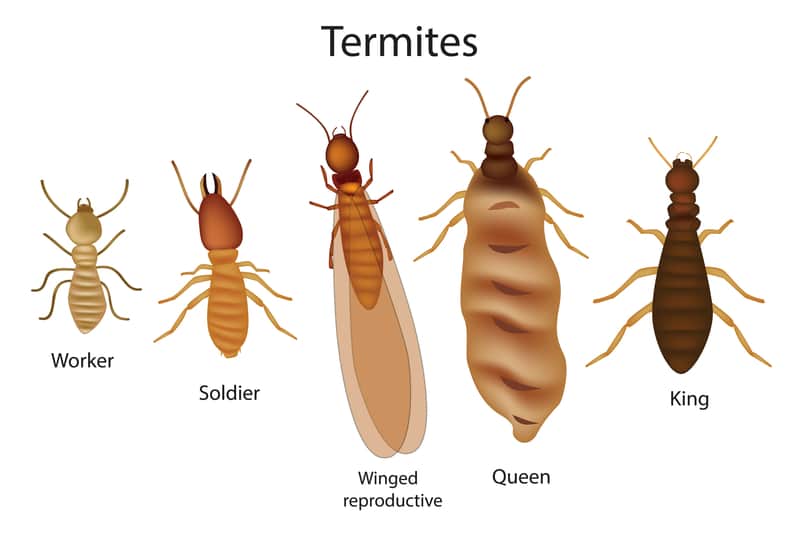
- Swarmers (Alates): Winged reproductives that leave the colony to start new ones—often mistaken for flying ants.
- Workers: Blind, sterile termites that feed the colony and cause most of the damage.
- Soldiers: Defend against predators like ants.
- The Queen: The reproductive engine—she can live for more than a decade and lay thousands of eggs annually.
When swarmers appear indoors, it’s a clear indication that an established colony exists nearby or within the structure.
The Evolution of Termite Control
When I began in pest control, the primary method for termite management involved broad-spectrum chemical barriers. Technicians would trench around foundations and flood the soil with termiticides. While effective, it wasn’t environmentally friendly and often posed risks to groundwater and non-target organisms.
Over time, the industry shifted toward Integrated Pest Management (IPM) and baiting technology, emphasizing targeted control and prevention rather than heavy chemical use.
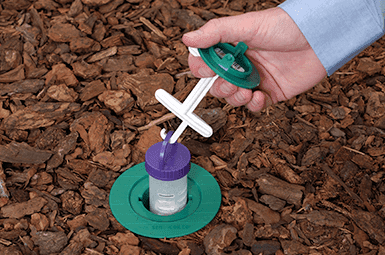
Systems like Sentricon use strategically placed bait stations to attract and eliminate entire colonies over time. These systems rely on growth regulators that prevent termites from molting—effectively wiping out the colony from within.
During my time at Massey, I saw firsthand how homeowners appreciated this modern, science-based approach. It built trust and achieved lasting protection without saturating the soil with chemicals.
Proven Professional Control Strategies
Here’s a broad overview of how professionals handle termite control today (your detailed checklist will go in a separate guide later):
1. Inspection
- Comprehensive interior and exterior evaluation, focusing on foundations, attics, crawl spaces, and moisture-prone areas.
- Use of moisture meters and infrared technology to detect hidden activity.
- Identification of species determines treatment plan (subterranean vs. drywood).
2. Treatment Options
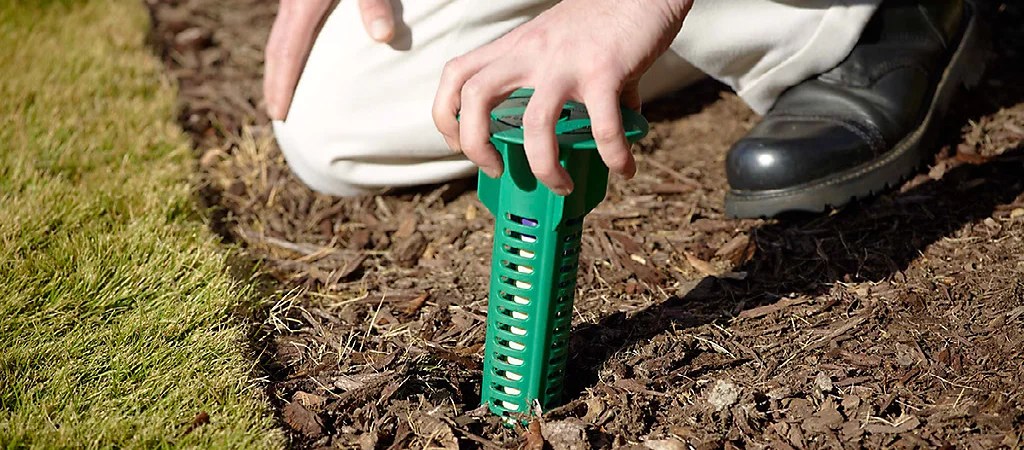
- Soil Treatments: Apply termiticides to soil barriers around foundations to block or eliminate colonies.
- Bait Systems: Install bait stations around the perimeter; termites feed on bait and carry it back to the colony.
- Wood Treatments: Apply borate-based products directly to exposed wood for long-term protection.
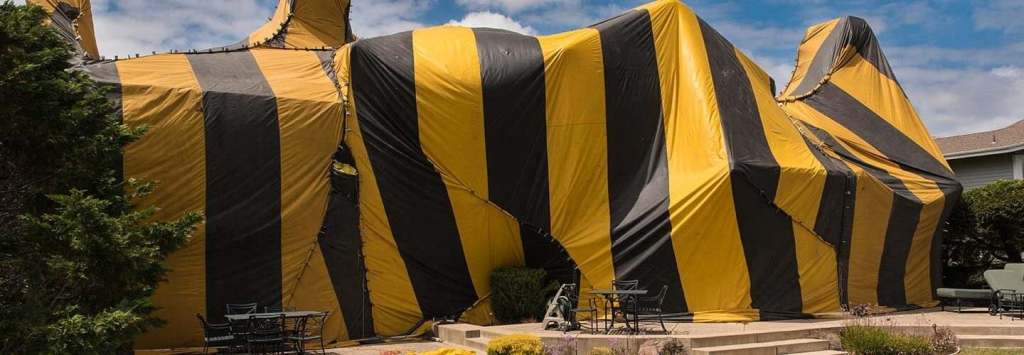
- Fumigation: For widespread drywood infestations, whole-structure fumigation may be required.
3. Moisture Control and Prevention
- Fix plumbing leaks and ensure proper drainage around the foundation.
- Keep gutters clean and direct water away from the home.
- Avoid stacking firewood or mulch against exterior walls.
- Maintain at least six inches of clearance between soil and wooden siding.
4. Ongoing Monitoring
- Regular inspections (at least annually) detect early activity.
- Bait stations are checked and replenished by technicians as needed.
- Documentation helps track conditions and maintain warranties.
Why Termite Prevention Is Always Cheaper Than Repair
The biggest mistake homeowners make is assuming “no visible signs” means no termites. In reality, termites can remain undetected for years while silently hollowing out structural components. By the time damage becomes visible, repairs often cost thousands—far exceeding the cost of routine inspections and preventive treatments.
In my years with Orkin and Massey, I’ve seen countless examples of this. One homeowner declined annual inspections to save money, only to later spend over $25,000 repairing subfloor and joist damage. Prevention is always the best—and least expensive—strategy.
The Role of Moisture in Termite Activity
Moisture is the lifeblood of termite survival. Even small leaks, condensation from air conditioners, or improperly graded soil can create ideal environments.
That’s why moisture management is at the heart of every successful termite prevention plan:
- Repair leaks immediately.
- Install proper ventilation in crawl spaces.
- Use dehumidifiers where necessary.
- Keep landscape mulch at least a foot away from the foundation.
By removing the moisture termites depend on, you make your home far less attractive to these silent invaders.
Real-World Shifts in Termite Practices
When I first started in pest control, the focus was on reacting—treating infestations after damage occurred. Over the years, the philosophy evolved toward proactive defense. Instead of waiting for destruction, homeowners now invest in ongoing protection programs that monitor and prevent termite activity before it becomes a crisis.
This change mirrors the industry’s move toward safety, sustainability, and customer education. Homeowners no longer want just a service—they want a partnership. And as a former field technician, I found that educating clients about prevention created stronger relationships and better long-term outcomes.
The Environmental Advantage of IPM
Integrated Pest Management doesn’t mean “no chemicals”—it means smart, minimal, and targeted use. By combining monitoring, baiting, and environmental modification, professionals achieve control with little impact on ecosystems.
During my time at Massey, I watched IPM transform how homeowners viewed pest control. Instead of fearing chemicals, they appreciated science-based prevention that aligned with their values of safety and sustainability.
The days of blanket spraying foundations with gallons of termiticides are fading, replaced by precision and accountability.
Protecting Your Home: The Long-Term Commitment
Effective termite protection isn’t a one-time fix—it’s an ongoing commitment. Regular inspections, professional partnerships, and homeowner awareness create a layered defense that keeps colonies at bay year after year.
Homeowners should:
- Schedule annual termite inspections.
- Keep soil and wood separate.
- Maintain moisture control.
- Ask about modern bait systems and warranties.
- Stay informed—knowledge is your strongest defense.
As I often told clients: “You can’t stop what you can’t see—but with vigilance, you can stay one step ahead.”
Conclusion
Termites truly earn their name as The Silent Destroyers—working quietly, relentlessly, and often unnoticed. Yet, with today’s technology, professional expertise, and preventive strategies, homeowners have more power than ever to protect their investments.
From my years with Orkin and Massey, one thing remains clear: successful termite management is built on education, early detection, and ongoing prevention. These principles turn fear into confidence and destruction into protection.
The Hidden Invaders Series exists to shine light on what lurks unseen. Termites may be silent, but informed homeowners are not powerless. With awareness and proactive action, you can ensure your home remains strong, secure, and termite-free for years to come.


 Pest Free Living
Leave a comment