Introduction
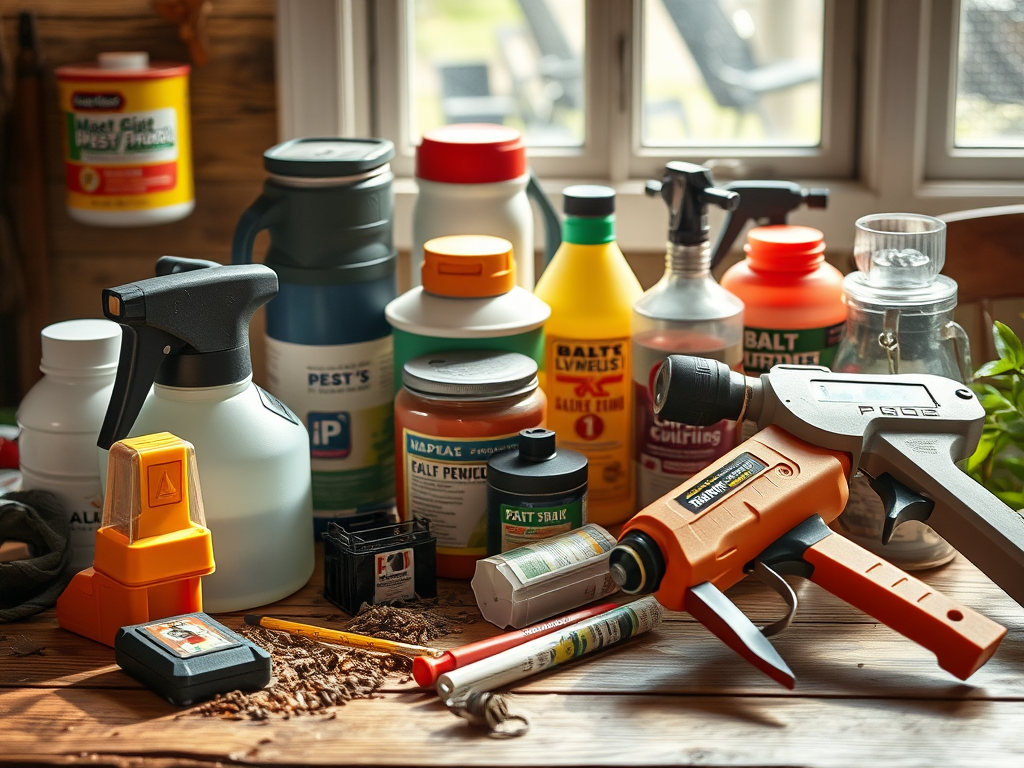
Dealing with unwanted pests in your home can be a frustrating challenge, especially when they seem to invade our homes out of nowhere. As a homeowner with many years of past experience in pest control industry, I understand the importance of tackling these issues effectively to maintain a comfortable living environment. While professional pest control services are essential for severe infestations, many common pests, such as ants, roaches, or spiders, and even rodents can be managed with the right tools and knowledge. This article explores the must-have pest control tools every homeowner should own and provides practical guidance on using them effectively to concur common infestations, empowering you to protect your home with confidence.
1. Handheld Sprayer or Pump Sprayer
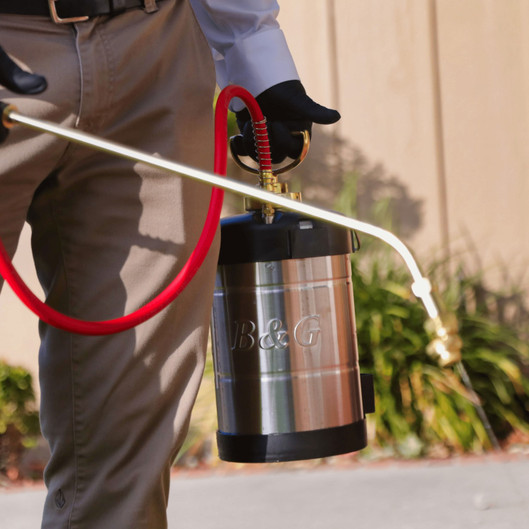
A reliable pump or handheld sprayer is one of the most versatile pest control tools you can own. These are ideal for applying liquid insecticides, natural repellents, or homemade pest control solutions around the perimeter of your home, windows, doorways, or garden. There are many on the market at your home and garden center or can be purchased online from places like Amazon. A very good gallon pump up sprayer many professional use is called a B&G. For treating around the exterior of your home many professionals use a two or three gallon backpack sprayer.

Best for:
- Ants
- Spiders
- Cockroaches
- Perimeter spraying
Tip: Choose a sprayer with an adjustable nozzle to control spray patterns for different areas. Clean it thoroughly after each use to avoid chemical buildup.
2. Bait Stations and Traps
Whether you’re dealing with ants, roaches, or rodents, bait stations and traps are go-to solutions for targeted pest removal.
Types include:
- Ant bait stations – deliver poison back to the colony
- Roach traps – attract and trap cockroaches using bait
- Snap or glue traps – for catching mice and rats
Best for:
- Indoor ant infestations
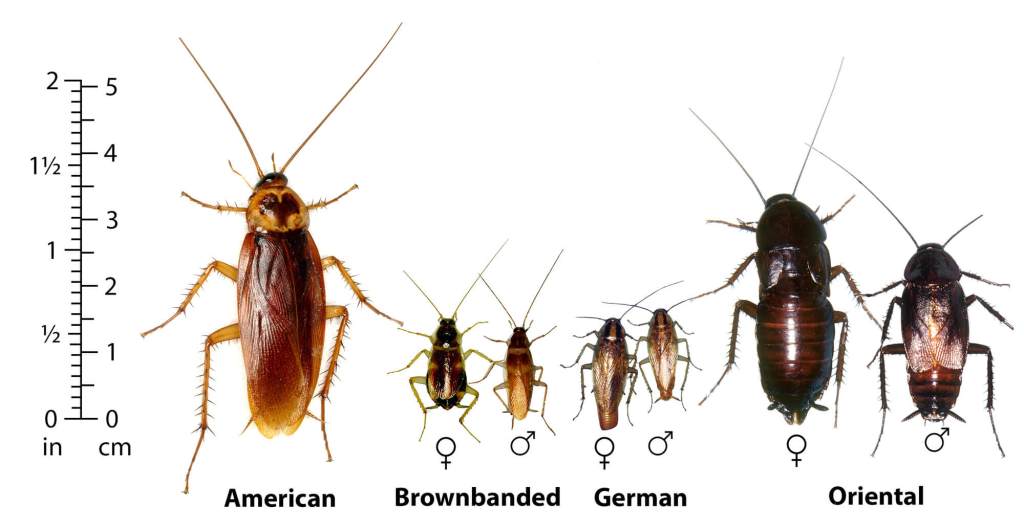
- Cockroach control in kitchens and bathrooms
- Rodent control in basements or garages
Place traps along walls and in dark corners where pests commonly travel. Replace them regularly to ensure consistent effectiveness. From my experience, adding peanut butter to the center of the trap attracts pests effectively. Use a small amount—about the size of a dime—for rodent traps, and an even smaller dab for insect traps to achieve the best results.
3. Caulking Gun and Sealant
Many pest problems start when tiny entry points go unnoticed. A simple caulking gun and silicone sealant can help seal up cracks and gaps around your home to prevent pests from entering.
Best for:
- Preventing insects and spiders from entering
- Sealing windows, baseboards, and door frames
- Blocking access for rodents
Tip: Inspect your home’s exterior twice a year and reapply caulk as needed, particularly after harsh weather. For rodent prevention, stuff steel wool or copper mesh into gaps before caulking over them. Rodents can chew through caulk, but they cannot penetrate steel wool or copper mesh, ensuring a more durable seal.
4. Insecticide Dust Applicator
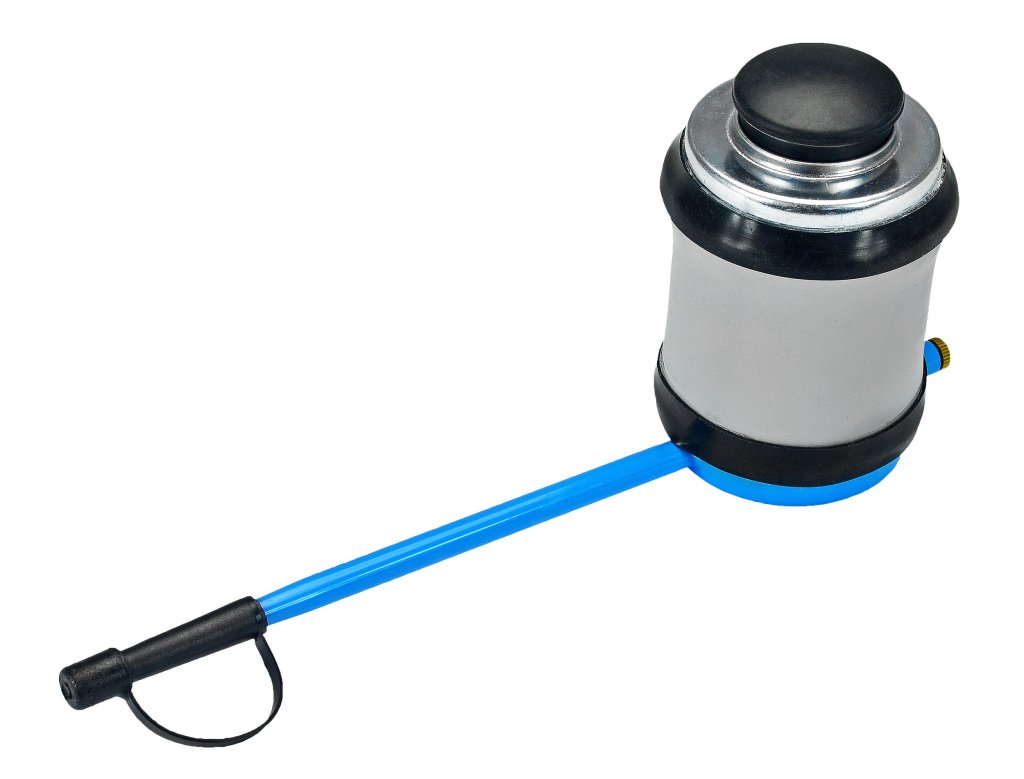
Dust formulations of insecticide are excellent for treating areas where sprays might not reach, such as inside wall voids, baseboards, and behind appliances. A dust applicator helps you apply these substances precisely and efficiently.
Best for:
- Carpenter ants
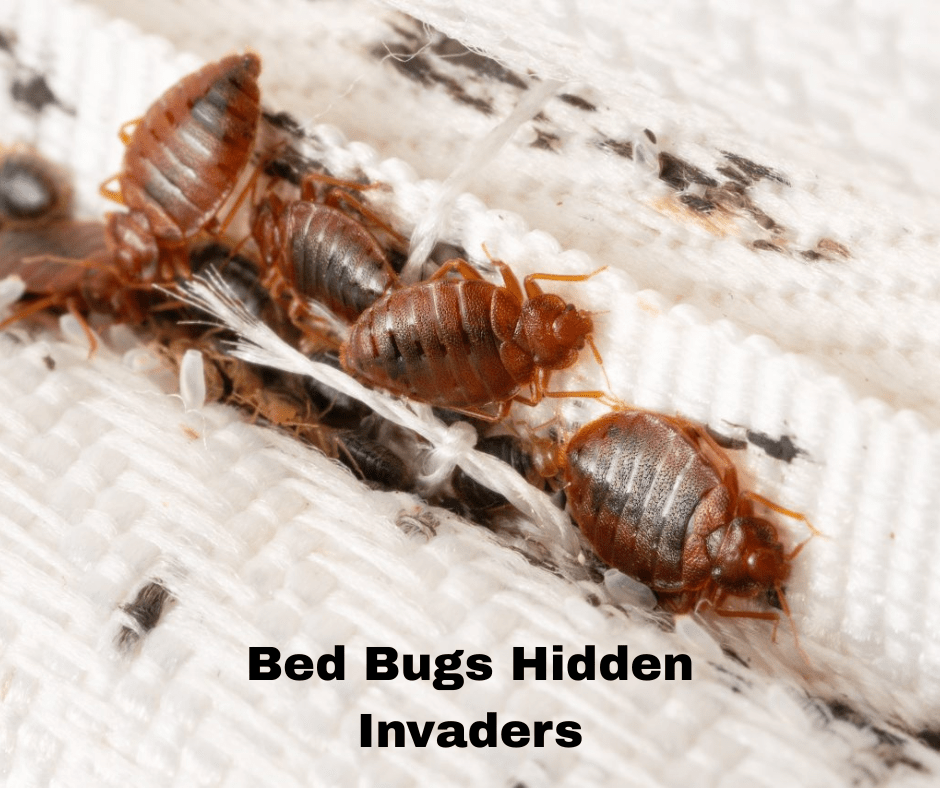
- Bed bugs
- Wasps and hornets in wall voids
Tip: Use food-grade diatomaceous earth or boric acid as a natural dust option—it’s safe for pets and children but deadly to many insects.
5. Fly Swatters and Bug Zappers
Sometimes, the simplest tools are the most effective. A classic fly swatter is useful for quick control of flying pests, while bug zappers use UV light to attract and kill flies, mosquitoes, and moths.
Best for:
- Flies and gnats
- Mosquitoes (zappers)
- Occasional indoor bugs
Tip: Place bug zappers in dark corners or outdoor patios in the evening. Clean the collection tray regularly.
6. Protective Gloves and Safety Gear
When handling any pest control products—especially chemicals—personal safety is key. Always wear protective gear like gloves, safety glasses, and a face mask when spraying pesticides or applying dusts.
Best for:
- Any pest control application
- Protecting against skin contact and inhalation
Tip: Use chemical-resistant gloves and always wash your hands after any pest control work.
7. Sticky Traps
Sticky traps are non-toxic tools that help monitor and reduce pest populations. These work great in areas where you suspect activity but haven’t seen live pests.
Best for:
- Spiders
- Silverfish
- Pantry pests
Tip: Place sticky traps under sinks, inside closets, or near baseboards to monitor pest traffic.
8. Lawn and Garden Tools for Outdoor Pest Prevention
Many indoor pest problems originate outside. Keeping your yard maintained with basic garden tools (rake, pruners, lawn mower) helps reduce hiding spots and breeding grounds for insects and rodents.
Best for:
- Preventing mosquito breeding
- Reducing rodent and termite habitats
- Maintaining proper drainage
Tip: Trim shrubs away from the home, keep mulch to a minimum, and eliminate standing water sources.
9. Ultrasonic Pest Repellers (Optional)
These devices emit high-frequency sound waves designed to repel rodents and insects. Though scientific results are mixed, many homeowners find them helpful as a supplemental tool.
Best for:
- Preventing rodents
- Deterring crawling insects
Tip: Use alongside traps and sealing efforts—not as a standalone solution.
10. Storage Bins and Airtight Containers
Pests thrive in cluttered environments and are attracted to accessible food sources. Store pantry items in airtight containers and keep your garage or basement decluttered to reduce the risk of infestations. For dog food or bird seed, use a steel can—many of my customers opt for a steel garbage can in the garage. Unlike plastic containers, which rodents, squirrels, raccoons, and other pests can chew through, steel cans protect your products from damage.
Best for:
- Preventing pantry pests (weevils, moths)
- Deterring rodents in storage areas
Tip: Regularly inspect and rotate food supplies. Avoid cardboard storage, which can attract cockroaches.
Conclusion: Equip Yourself for DIY Pest Defense
Pest control doesn’t always require a professional service call. With the right set of basic tools, homeowners can manage small to moderate infestations safely and effectively. A combination of preventive measures, proper sealing, traps, and natural or chemical treatments can go a long way in keeping your home pest-free.
Before using any chemical products, always read the label instructions and wear protective gear. If an infestation grows beyond your control or involves dangerous pests (like termites, hornets, or large rodent populations), don’t hesitate to call in a licensed pest control expert.
With the above tools and strategies, you’re well-equipped to take control of your home and protect it from unwanted intruders.
Additional Resources:
Welcome to Pest-Free Living: Your Complete Guide to Natural Pest Control Solutions


 Pest Free Living
Leave a comment