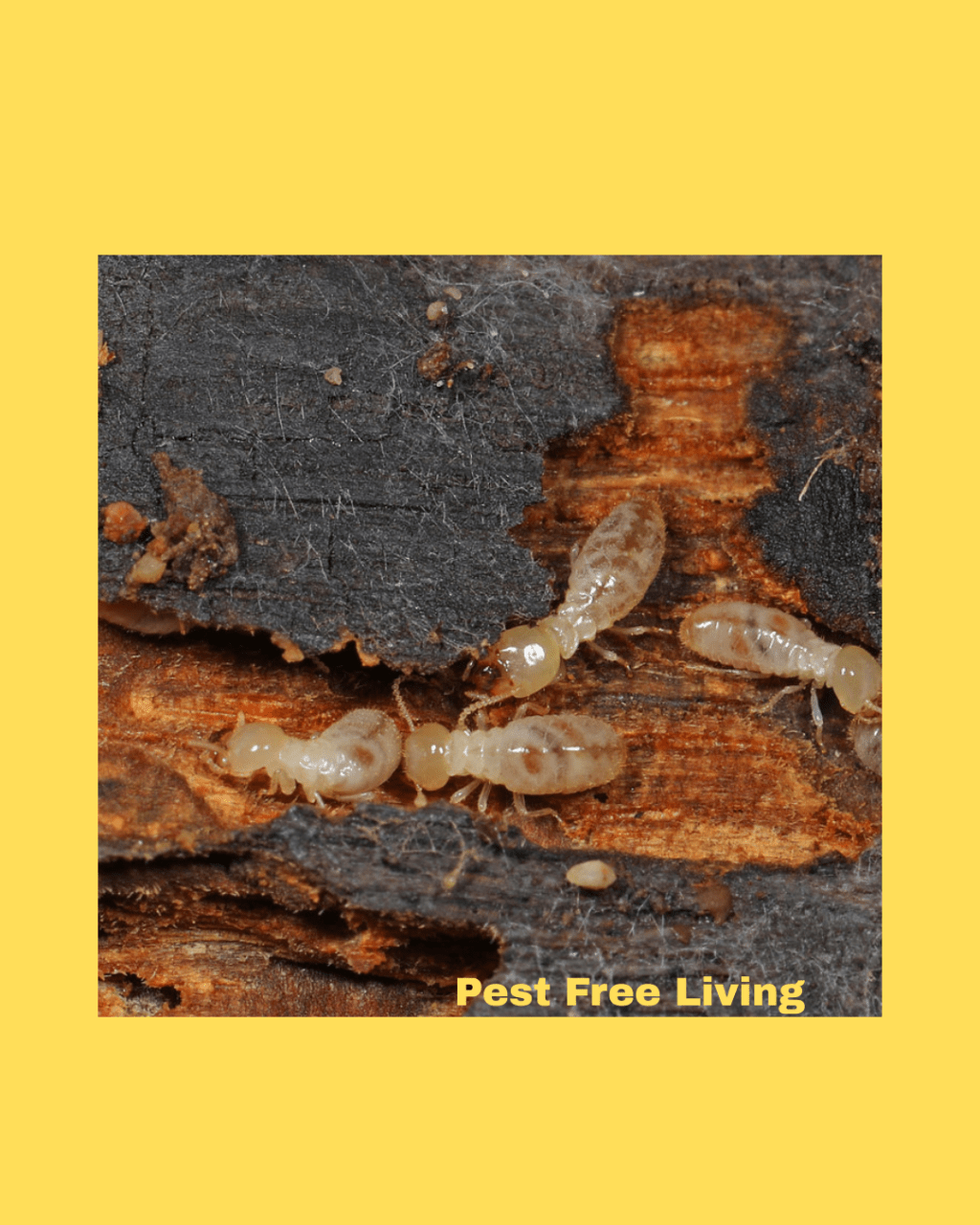
Termites are a silent but devastating threat to homes across the country. Every year, these tiny pests cause billions of dollars in structural damage, often before homeowners even realize there’s a problem. In my 25 plus years in the pest control industry throughout the Midwest all the way down to Florida, I have seen plenty of termite damage. As someone with a Wood Destroying Organism (WDO) License, I’ve seen firsthand how quickly termites can turn a beautiful home into a costly repair project. The good news? With early detection, much of the damage can be prevented.
In this article, we’ll explore the most common termite warning signs—both visual and auditory—so you can catch an infestation early. Whether you’re a homeowner, real estate investor, or property manager, knowing what to look for could save you thousands of dollars.
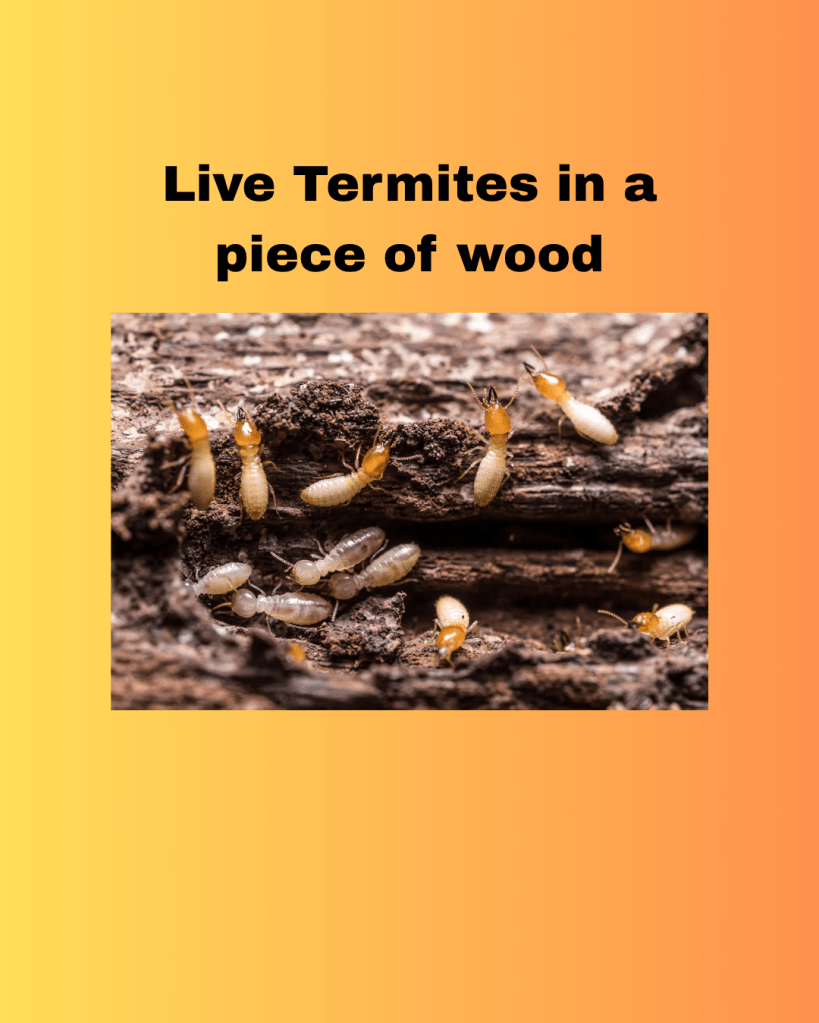
Why Early Detection Is Critical
Unlike other pests, termites don’t just inconvenience you—they eat and destroy your house. These wood-destroying insects tunnel deep into wooden structures, eating from the inside out. By the time you see surface damage, they may have already compromised major beams, walls, or flooring.
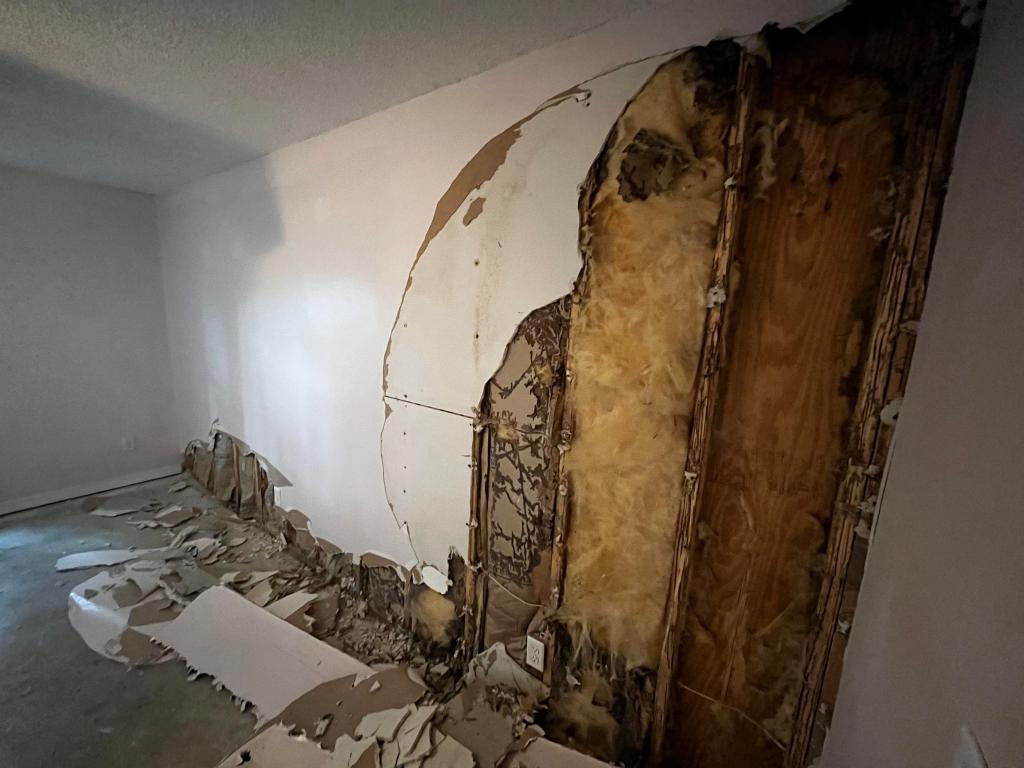
Spotting termite damage early gives you a better chance of minimizing repair costs and preserving the integrity of your home. Regular inspections and knowing what to look for are key.
1. Mud Tubes: The Classic Red Flag
Termites, especially subterranean species, build narrow, mud-packed tubes along walls, foundations, or crawl spaces to protect themselves from the elements as they travel between their colony and your home. These pencil-sized tunnels are often the first visible sign of an active infestation.
Where to Look:
- Along the foundation wall (inside and outside)
- In crawl spaces or basements
- Around pipes and utility lines
Tip: Break a section of the mud tube and check to see if you see termites coming to check out the break. Then check back in a day or two to see if the termites rebuilt the mud tube, if so there’s a good chance termites are still active in the area.
2. Hollow-Sounding Wood
Tap on wooden surfaces around your home—baseboards, floors, window sills, and door frames. If the wood sounds hollow or you notice it feels soft when pressed, termites might be eating it from the inside out.
Termites prefer moist, hidden areas, so they’ll often start behind drywall or underneath flooring. This makes hollow wood a critical sign that something may be wrong beneath the surface.
3. Swarmers: Flying Termites Looking for a New Home
One of the most obvious signs of a termite infestation is the sudden appearance of swarmers, which are winged termites emerging to find new colony locations. Swarming usually happens in spring or early summer and is often mistaken for flying ants.
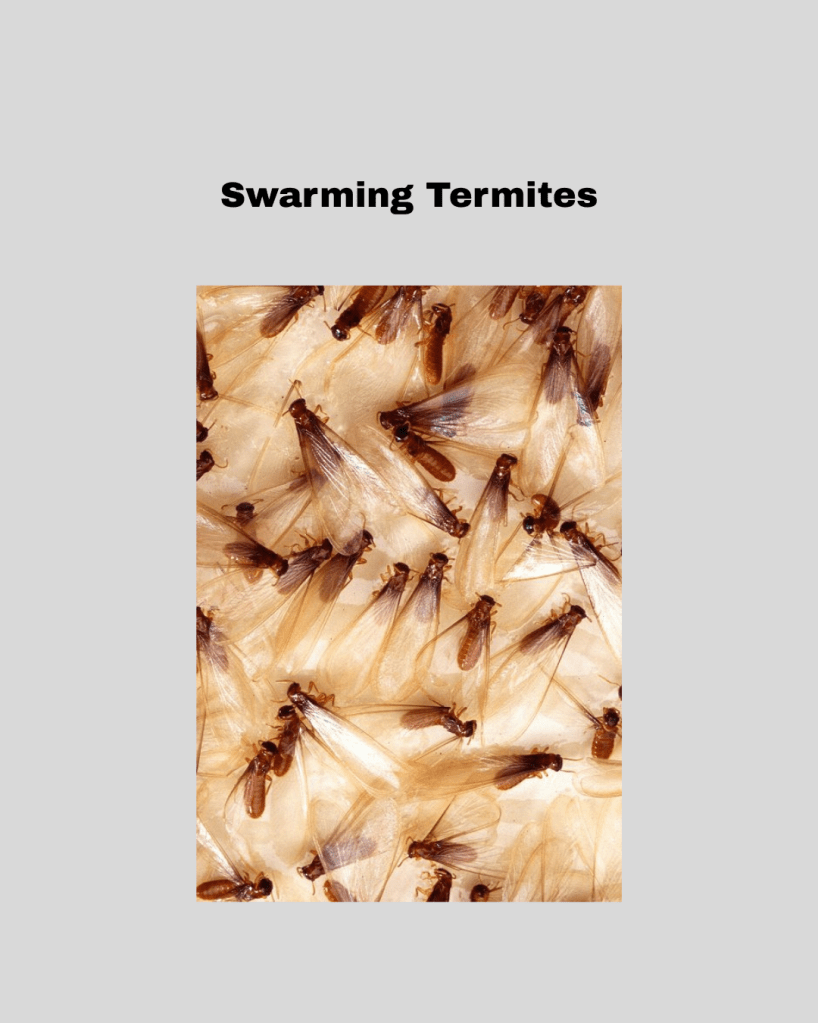
Signs of Swarmers:
- Winged insects near windows, doors, or light sources
- Discarded wings on window sills or floors
- Short-lived appearance in large numbers after rain or humidity spikes
Why It Matters: If swarmers are inside your home, it could mean a mature colony is already living in your walls.
4. Frass: Termite Droppings
Drywood termites leave behind small, pellet-like droppings called frass as they tunnel through wood. Subterranean termites do not leave frass. These droppings are often found in small piles and can look like sawdust or coffee grounds.
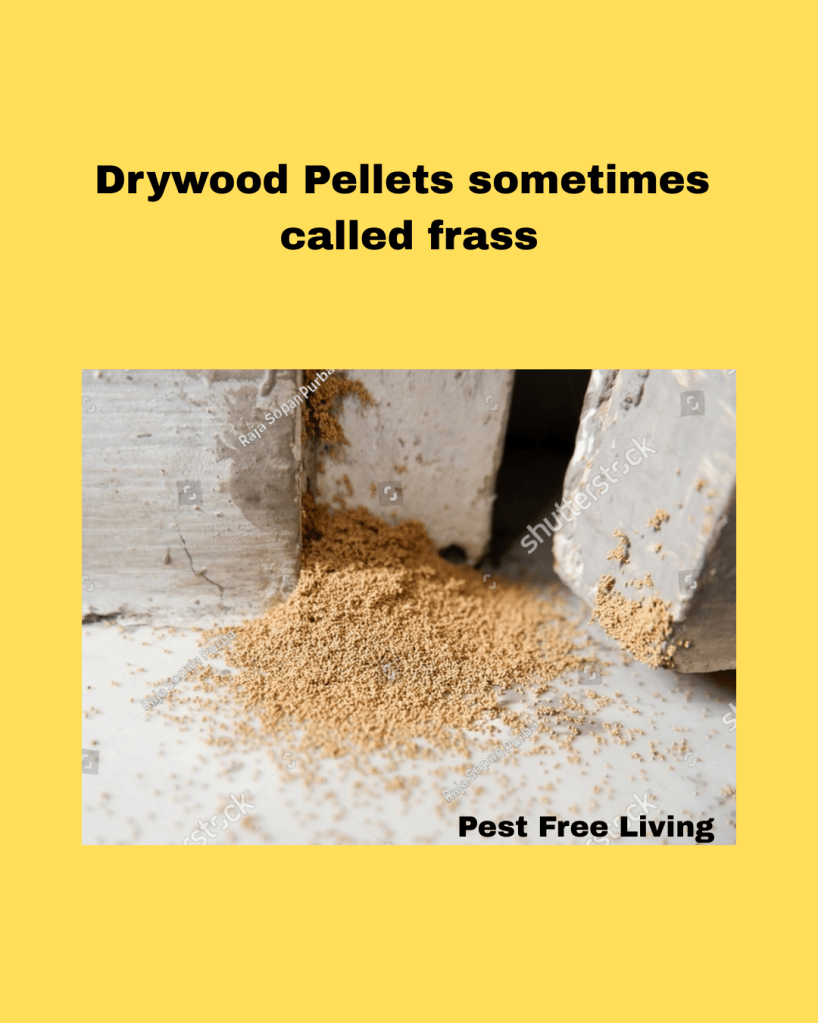
Common locations for frass:
- Around window sills
- Under furniture or wooden beams
- Near baseboards or along attic rafters
Finding frass is a surefire sign that termites are actively tunneling nearby.
5. Clicking or Tapping Sounds in the Walls
You may not expect termites to make noise, but they actually do. Soldier termites bang their heads against tunnel walls as a warning to the colony, and worker termites make soft chewing or rustling noises as they eat.
What to do:
- Put your ear close to suspicious walls or wood beams
- Listen for faint clicking or scratching, especially at night when the house is quiet
This sign is subtle, but pest control professionals often use acoustic devices to detect these sounds during inspections.
6. Warped Floors, Sagging Ceilings, or Stuck Doors
As termites eat away at structural supports, the stability of your home begins to shift. You may notice:
- Doors and windows that are suddenly hard to open
- Uneven, warped hardwood floors
- Bulging walls or ceilings
- Cracks in drywall
These are more advanced signs, indicating that damage may already be significant.
7. Paint Bubbling or Peeling
Termite damage can sometimes mimic water damage. When termites chew through drywall or wooden supports near painted surfaces, moisture can build up and cause paint to bubble, crack, or peel.
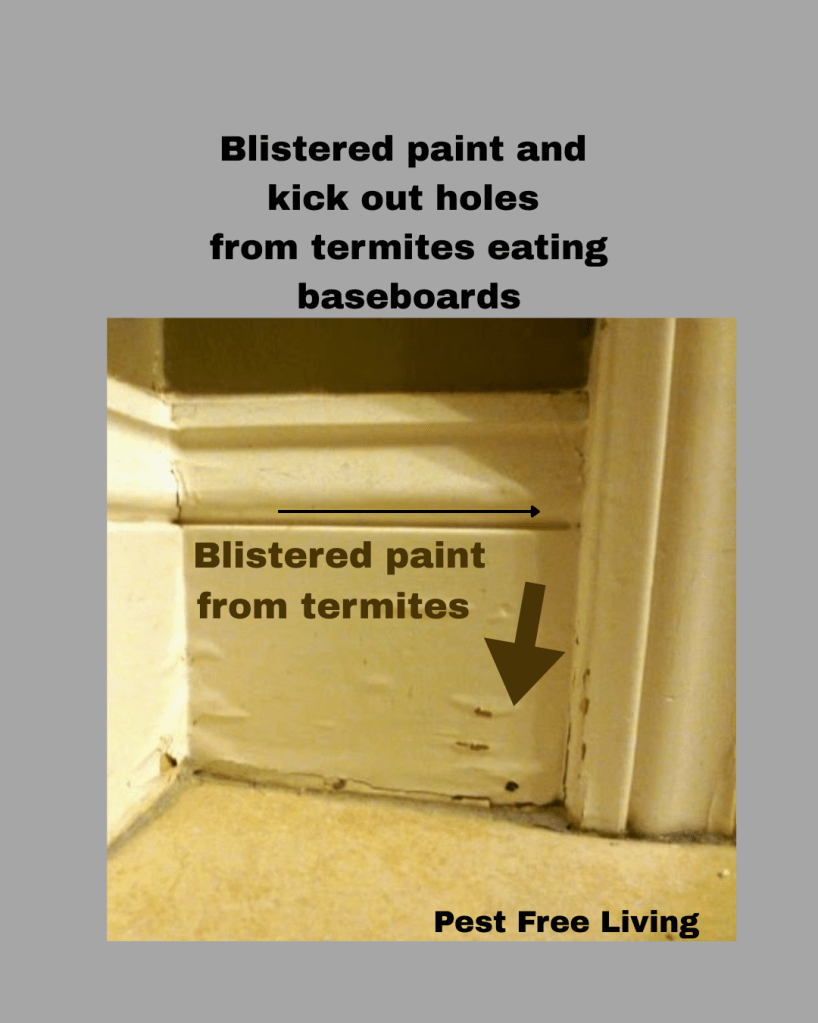
If you see areas of unusual bubbling or staining, especially in tandem with any other signs listed above, investigate further.
When to Call a Professional
If you notice any combination of these signs—especially mud tubes, hollow wood, or swarmers—it’s time to call a licensed pest control professional immediately.
A trained inspector with a Wood Destroying Organism license can:
- Perform a full home inspection
- Identify the type of termite (drywood or subterranean)
- Determine the extent of damage
- Recommend the right treatment plan (baiting, soil treatments, fumigation, etc.)
Delaying treatment can lead to further structural damage and higher repair costs.
Preventive Tips
In addition to regular inspections, here’s how you can help keep termites at bay:
- Fix leaky water pipes and eliminate moisture around your home’s foundation
- Keep firewood from the house
- Keep mulch pulled back from foundation of home about three feet
- Seal gaps and cracks in foundations and around utility lines
- Schedule annual termite inspections, even if you don’t see signs
Conclusion
Termites can be quiet invaders, but they leave behind a trail of clues for those who know what to look for. From mud tubes and hollow-sounding wood to swarmers and frass, early detection can mean the difference between a quick treatment and a full-scale renovation.
Don’t wait until it’s too late—inspect your home regularly, act quickly on suspicious signs, and work with a licensed WDO professional for peace of mind. Your home is your biggest investment. Protect it from the ground up.






Leave a Reply