
How Any Hotel Can Have Bed Bugs (And What You Can Do to Prevent Bringing Them Home)
Imagine checking into a clean, upscale hotel. Crisp white sheets, sparkling bathroom, maybe even a mint on your pillow. Everything seems perfect—until you wake up with itchy welts and realize you’ve unknowingly shared the bed with unwanted guests. Yes, we’re talking about bed bugs—tiny, stealthy pests that don’t discriminate between budget motels or five-star luxury resorts.
Here’s the uncomfortable truth: any hotel can have bed bugs. Cleanliness is important, but it doesn’t guarantee immunity. These pests are hitchhikers. They don’t care about class, quality, or brand reputation—they go wherever people go. Fortunately, there are smart steps you can take to protect yourself and prevent them from coming home with you.
Why Hotels Are Vulnerable to Bed Bugs
Hotels, motels, Airbnbs, and hostels all share one common risk factor: high human traffic. Guests come from all over the world, and some may unknowingly bring bed bugs with them in their luggage or clothing. Once inside, bed bugs spread from room to room via walls, electrical outlets, housekeeping carts, and guest belongings.
Even the most meticulous housekeeping crew can miss them. Bed bugs are experts at hiding—inside mattress seams, behind headboards, under nightstands, in furniture joints, or behind baseboards.
To make matters worse, bed bugs don’t require filth to survive. They feed on blood, not food scraps, so even spotless rooms can host them undetected.
How to Check Your Hotel Room for Bed Bugs
A few minutes of inspection when you arrive to your room could save you weeks of frustration (and expensive treatments) later. Take the flashlight on your cell phone or bring a LED light with you to inspect your hotel room.
Step-by-Step Bed Bug Room Check:
- Don’t place your luggage on the bed or floor.
Instead, place your bag in the bathroom or on a luggage rack away from the wall until you’ve checked the room. - Pull back the bed linens.
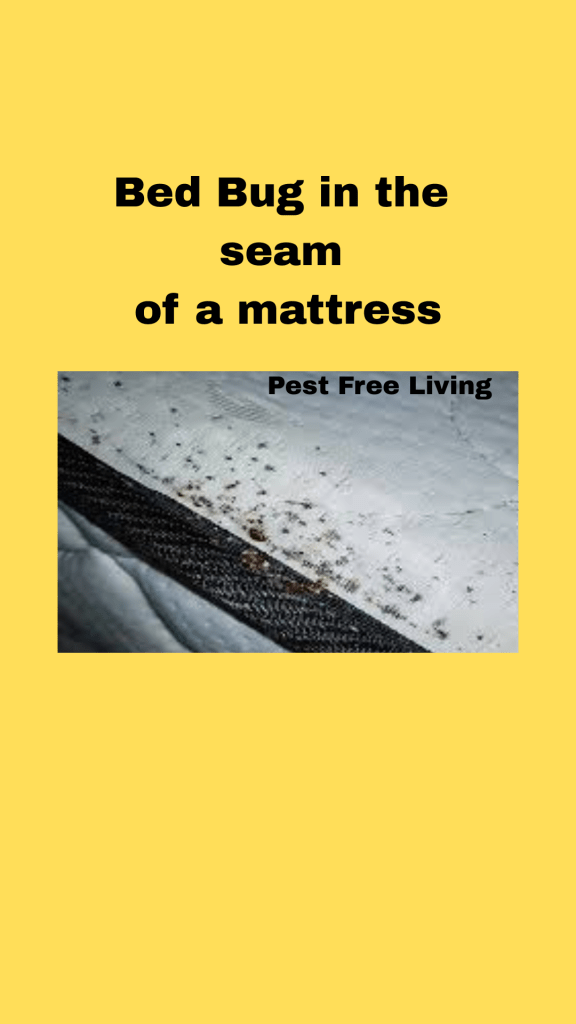
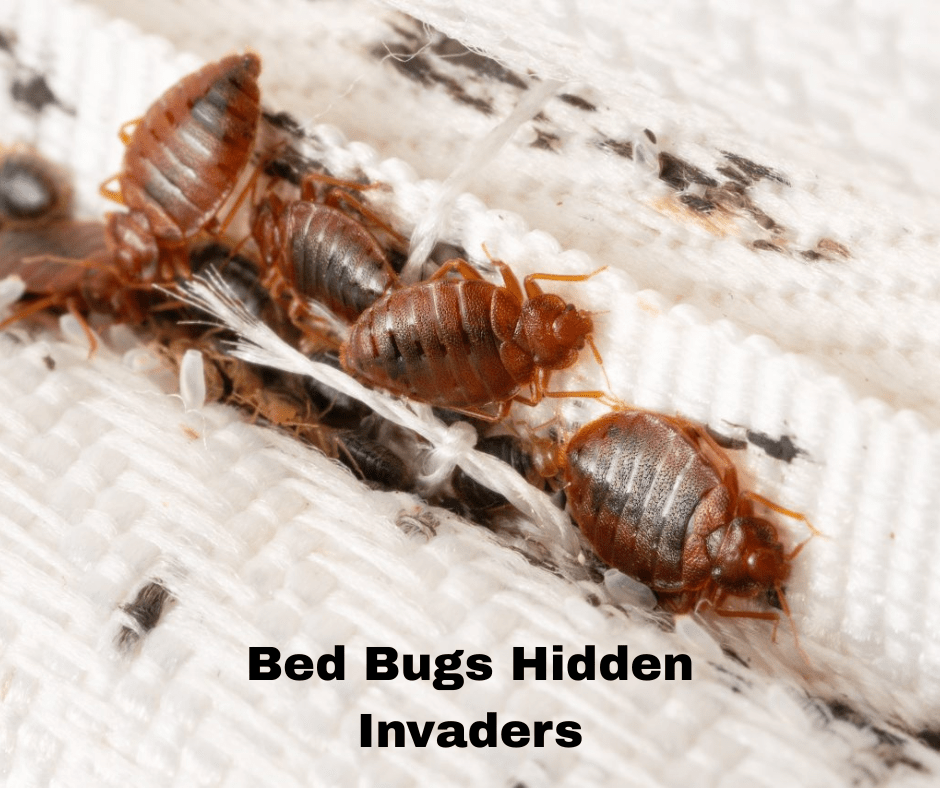
Look at the mattress seams and edges, especially at the corners. You’re checking for:- Small reddish or brownish spots (bed bug fecal matter)
- Tiny white eggs or eggshells
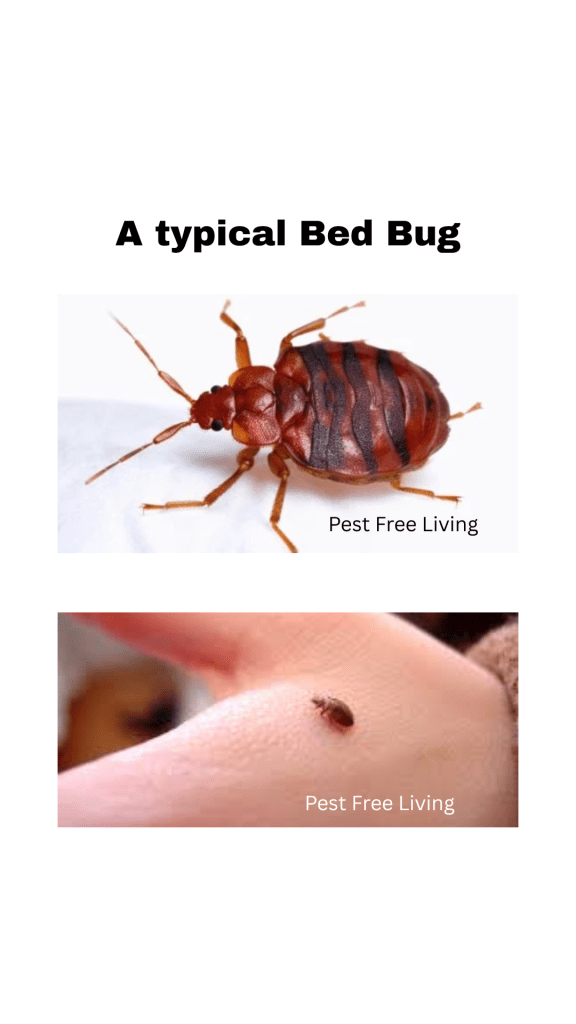
- Actual bed bugs (about the size of an apple seed)
- Inspect the mattress tag and box spring.
These are common hiding places, particularly under fabric tags or where the fabric is stitched. - Examine the headboard.
If it’s not bolted to the wall, gently pull it back and check behind it. Bed bugs love the crevices between the wall and the headboard. - Look around the furniture and nightstands.
Use your phone flashlight to inspect drawers, joints, and even screw holes. - Check the walls and electrical outlets near the bed.
Cracks and gaps can harbor bugs, especially if rooms share walls.
How to Protect Your Belongings During Your Stay
Even if your room appears bug-free, it’s smart to take preventive measures during your trip.
1. Use Luggage Protection:
- Bring hard-shell suitcases if possible—they’re harder for bugs to crawl into.
- Consider luggage liners or plastic garbage bags as an internal layer of defense.
2. Keep Your Luggage Elevated:
- Always use the luggage rack—but inspect it first.
- Avoid leaving your bags on the bed, carpet, or upholstered furniture.
3. Store Clothes Wisely:
- Keep clothes inside zippered packing cubes or sealed plastic bags.
- Avoid unpacking into hotel drawers or closets unless absolutely necessary.
4. Isolate Dirty Laundry:
- Use a separate, sealed plastic bag for worn clothes. Bed bugs are attracted to body odors and may seek out dirty laundry.
When You Return Home: Stop Bed Bugs at the Door
Just because your trip is over doesn’t mean you’re safe. Your return is the most critical moment to prevent an infestation from taking root in your home.
Post-Trip Bed Bug Prevention Tips:
1. Unpack Outside or in the Garage
If possible, don’t bring your suitcase straight into the bedroom. Unpack in a garage, entryway, or laundry room where bed bugs are less likely to spread. You can also purchase a bedbug heating unit in order to kill the bedbugs before you unpack your clothes.
2. Launder Everything Immediately
- Wash all clothes, even clean ones, in hot water and dry on high heat for at least 30 minutes.
- Heat is the most effective method to kill bed bugs and their eggs.
3. Vacuum Your Luggage
Use a crevice tool to get into seams and folds. After vacuuming, dispose of the vacuum bag or clean the canister outside the home.
4. Store Luggage in Isolated Areas
Avoid storing your suitcase under the bed or in bedroom closets. Instead, keep it in the garage, basement, or a sealed bag/container.
What If You Suspect You’ve Brought Bed Bugs Home?
Even the best prevention can sometimes fall short. If you notice itchy bites, dark spots on bedding, or actually see bugs in your home shortly after traveling, take action quickly.
Steps to Take:
- Confirm the infestation – Capture a specimen if possible and have it identified.
- Call a licensed pest control professional – DIY methods usually don’t eliminate full infestations.
- Avoid spreading the bugs – Don’t move bedding or furniture between rooms.
Early detection and treatment are crucial. Bed bugs reproduce rapidly, so every day counts.
Final Thoughts: Travel Smart, Not Scared
It’s easy to feel a little paranoid about bed bugs while traveling, but awareness is your best defense. Bed bugs are a nuisance, but they’re manageable with the right precautions.
Here’s the bottom line:
Any hotel can have bed bugs. But with a few proactive steps, you can reduce your risk and keep your home safe.
So next time you check in, take five minutes to check the bed. Store your suitcase smartly. And when you get home, do a heat wash and a vacuum. It’s a small effort that could save you a major headache (and a big extermination bill).
Related Articles
Bed Bug Elimination: Step-by-Step Professional Protocol for Homeowners
Natural Pest Control: 10 Eco-Friendly Ways to Eliminate Pests from Your Home and Garden


 Pest Free Living
Leave a comment